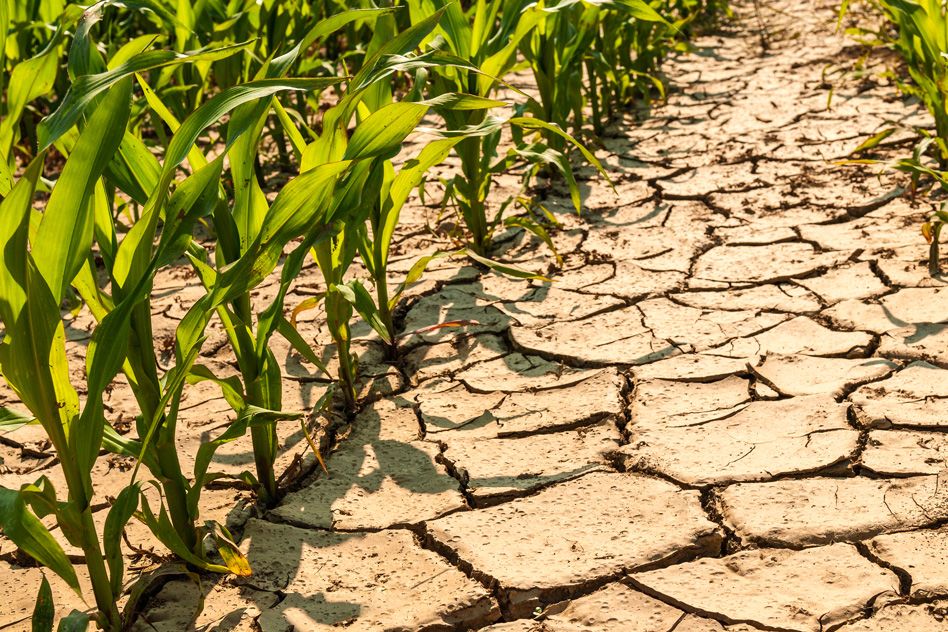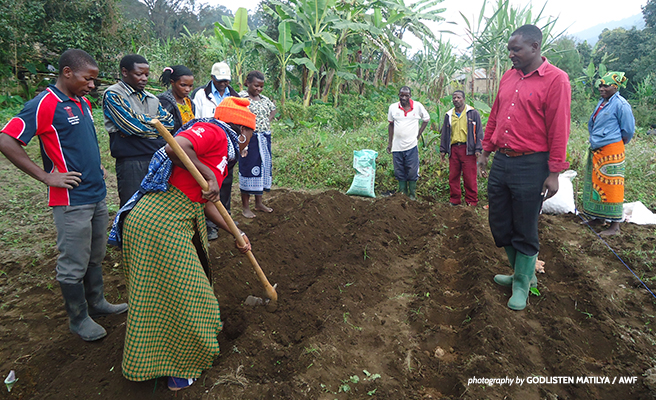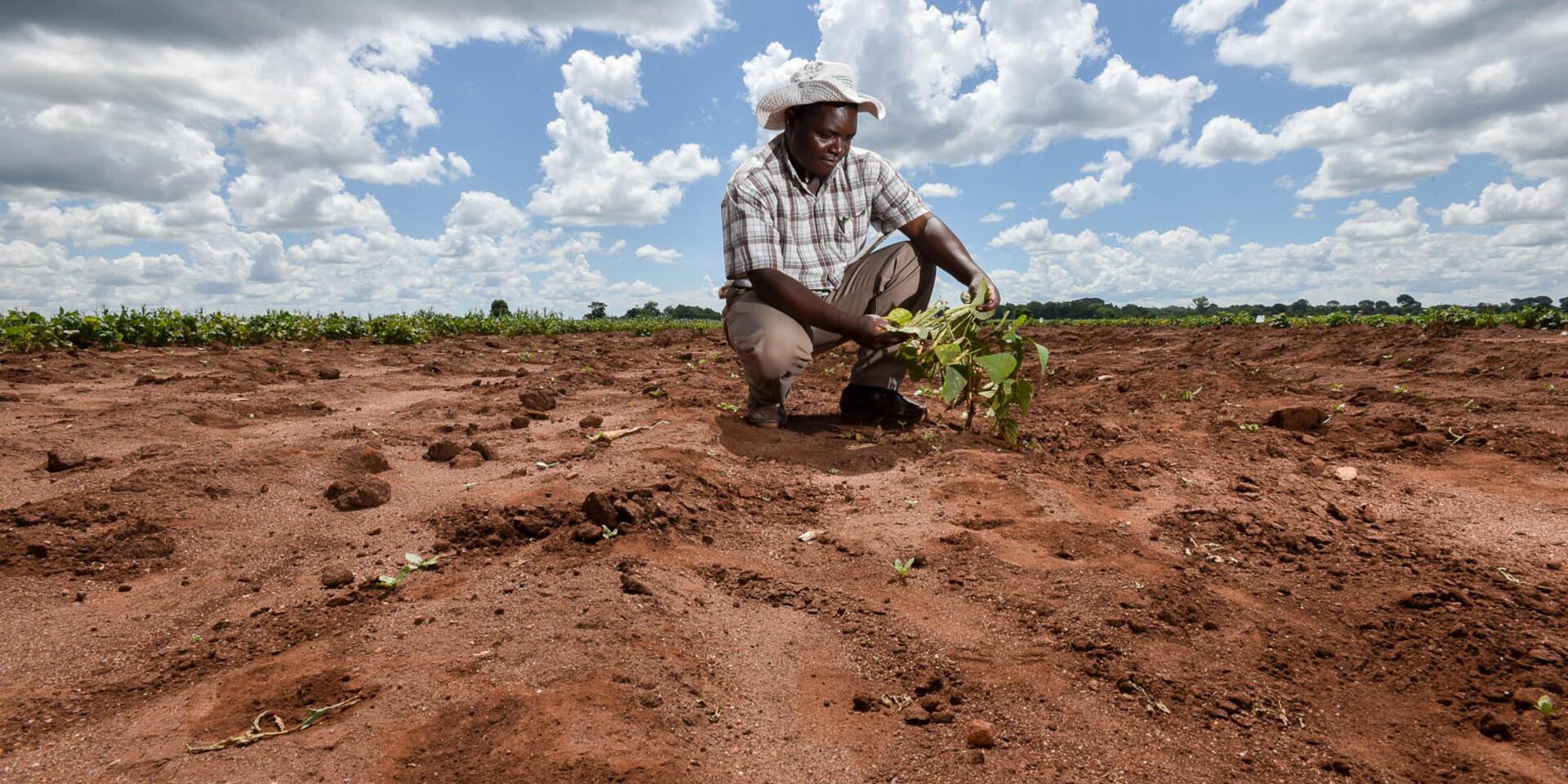
Sustainable farming practices for soil health in Africa are becoming increasingly important as the continent faces growing pressure from climate change, population growth, and land degradation. Agriculture remains the backbone of most African economies, employing a large share of the population and providing food security for millions. However, years of soil erosion, nutrient depletion, and unsustainable land use have reduced productivity in many regions. Restoring and protecting soil health is therefore essential for long-term agricultural success.

Healthy soils support crops by providing nutrients, retaining water, and promoting beneficial microbial activity. When soils degrade, farmers experience lower yields, higher production costs, and greater vulnerability to droughts and floods. Sustainable farming in Africa focuses on practices that rebuild soil fertility, reduce environmental damage, and ensure that future generations can continue to farm productively.

Conservation Agriculture and Minimum Tillage
Conservation agriculture is one of the most effective sustainable farming practices for soil health in Africa. It emphasizes minimum soil disturbance, permanent soil cover, and crop rotation. By reducing tillage, farmers limit soil erosion and protect soil structure. This approach also helps retain moisture, which is critical in arid and semi-arid regions.
Minimum tillage reduces the breakdown of organic matter and supports beneficial soil organisms. Over time, soils become more fertile and resilient. Farmers practicing conservation agriculture often report improved yields and lower labor costs, making it an attractive option for smallholder farmers.
Crop Rotation and Intercropping
Crop rotation and intercropping play a vital role in sustainable farming in Africa. Rotating crops such as cereals with legumes helps replenish soil nutrients, particularly nitrogen. Legumes like beans, cowpeas, and groundnuts naturally fix nitrogen into the soil, reducing the need for chemical fertilizers.
Intercropping, where multiple crops grow together on the same land, improves soil cover and reduces pest and disease pressure. It also enhances biodiversity and maximizes land use efficiency. These practices support soil health while increasing food diversity and income stability for farmers.
Organic Fertilizers and Composting
The use of organic fertilizers is central to sustainable farming practices for soil health in Africa. Compost, animal manure, and green manure add organic matter to the soil, improving its structure and nutrient-holding capacity. Unlike synthetic fertilizers, organic inputs release nutrients slowly and enhance long-term soil fertility.
Composting also helps farmers recycle agricultural waste and reduce reliance on costly external inputs. As soil organic matter increases, soils become better at retaining water and supporting plant growth, especially during dry seasons.
Agroforestry and Tree Integration
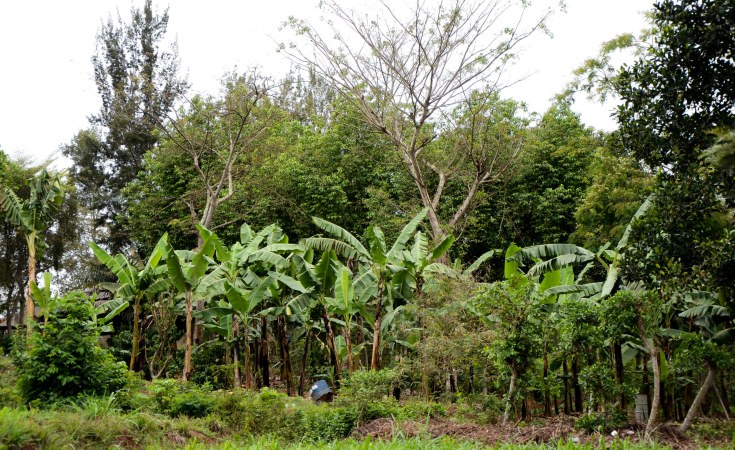
Agroforestry integrates trees with crops and livestock, offering significant benefits for soil health. Trees protect soils from erosion by wind and water, while their roots stabilize the ground and improve nutrient cycling. Leaf litter from trees adds organic matter, enriching the soil over time.
In many African regions, agroforestry systems include nitrogen-fixing trees that enhance soil fertility naturally. These systems also provide additional benefits such as fuelwood, fodder, fruits, and shade, contributing to both environmental sustainability and household income.
Mulching and Soil Cover
Mulching is another key practice in sustainable farming in Africa. By covering the soil with crop residues, grasses, or leaves, farmers reduce evaporation, suppress weeds, and protect the soil from erosion. Mulch also moderates soil temperature and encourages microbial activity.
As mulch decomposes, it adds organic matter to the soil, improving fertility and structure. This simple and low-cost technique is especially valuable for smallholder farmers working in dry or degraded environments.
Water Management and Soil Conservation
Effective water management supports soil health and sustainable farming outcomes. Techniques such as contour farming, terracing, and rainwater harvesting reduce runoff and increase water infiltration. These practices help prevent soil erosion and ensure that crops have access to moisture during critical growth stages.
In regions prone to drought, conserving soil moisture is essential. Sustainable farming practices that combine water management with soil conservation improve resilience and reduce the risks associated with climate variability.
Benefits for Farmers and the Environment
Sustainable farming practices for soil health in Africa deliver multiple benefits. Farmers experience improved yields, reduced input costs, and greater resilience to climate shocks. Healthy soils also support biodiversity, reduce greenhouse gas emissions, and protect water resources.
At a broader level, sustainable farming in Africa contributes to food security, rural livelihoods, and environmental protection. By investing in soil health today, African farmers can build productive and resilient agricultural systems for the future.
Conclusion
Sustainable farming practices for soil health in Africa are essential for long-term agricultural productivity and environmental sustainability. Through conservation agriculture, crop rotation, organic inputs, agroforestry, and effective water management, farmers can restore degraded soils and improve resilience. As these practices spread, they offer a practical pathway toward healthier soils, stronger communities, and a more sustainable agricultural future across the continent.