Agriculture is the backbone of the East African economy, employing a large portion of the population and contributing significantly to GDP. The sector is essential not only for food security but also for economic growth and job creation in countries like Kenya, Uganda, Tanzania, and Ethiopia. However, East African agriculture faces several challenges that hinder its full potential. This article examines the growth of East African agriculture in 2026, the challenges the sector is facing, and the opportunities for growth and innovation.
1. Overview of East African Agriculture
Agriculture is vital to the economies of East Africa, with millions of people depending on it for their livelihood. The sector includes both crop farming and livestock production, with crops such as maize, coffee, tea, horticultural products, and cotton being key contributors to the region’s agricultural output. Livestock farming also plays a major role, particularly in countries like Kenya and Ethiopia, where pastoralism is a way of life.
In 2026, East African agriculture has shown growth in several areas, particularly in exports of high-value crops like tea, coffee, and horticultural products. The demand for these products in international markets continues to increase, providing new opportunities for farmers and agribusinesses in the region.
However, despite this growth, East African agriculture still faces numerous obstacles, such as climate change, limited access to modern farming technology, and inadequate infrastructure. Addressing these challenges is crucial for unlocking the full potential of the agricultural sector.
2. Key Growth Trends in East African Agriculture
a. Export Expansion
East Africa is well-positioned to expand its agricultural exports, particularly in high-value crops like tea, coffee, flowers, and fresh produce. Countries like Kenya and Ethiopia have become major exporters of these products, with the EU, the Middle East, and Asia serving as key markets. In 2026, agricultural exports from East Africa are expected to continue growing, especially with the increasing demand for organic and fair-trade certified products.
For example, Kenya remains a global leader in the export of flowers, while Ethiopia is renowned for its coffee. The African Continental Free Trade Area (AfCFTA) also provides a platform for increasing intra-Africa trade, allowing East African countries to expand their markets and reduce reliance on external markets.
b. Increased Adoption of Technology
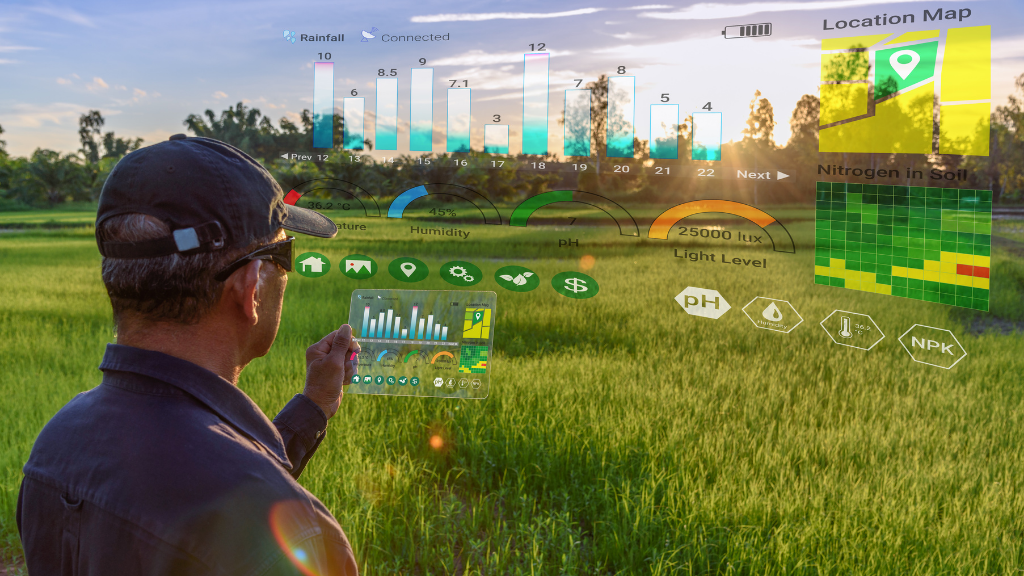
One of the most significant trends in East African agriculture is the increasing adoption of technology. Farmers are embracing innovations such as mobile applications for weather forecasting, digital marketplaces, and precision farming techniques. These technologies help farmers improve productivity, reduce costs, and enhance the quality of their produce.
For instance, mobile money platforms like M-Pesa in Kenya have revolutionized how farmers access financial services, enabling them to make payments, access credit, and send money securely. Additionally, the use of drones and satellite technology to monitor crop health and manage irrigation is becoming more common in the region.
c. Horticulture and Value Addition
The horticultural sector in East Africa has shown remarkable growth, especially in countries like Kenya, Uganda, and Tanzania. Fresh fruits, vegetables, and flowers are increasingly being grown for export, meeting global demand for fresh produce. In addition to growing crops, there is a growing focus on value addition, where agricultural products are processed locally to increase their value.
For example, Kenya has seen significant growth in the processing of fruits, vegetables, and dairy products. Value addition creates jobs, boosts local economies, and ensures that farmers receive better returns on their produce. As East Africa continues to invest in agro-processing, this sector is poised for even greater growth.
3. Major Challenges Facing East African Agriculture
While East African agriculture has shown growth, the sector continues to face significant challenges that hinder its full potential.
a. Climate Change and Unpredictable Weather
Climate change remains one of the biggest threats to East African agriculture. The region is experiencing increasingly unpredictable weather patterns, including prolonged droughts, floods, and rising temperatures. These changes have a direct impact on crop yields, livestock production, and water availability.
Farmers in East Africa are particularly vulnerable to climate change because much of the agriculture is rain-fed, and many regions lack irrigation infrastructure. The unpredictability of weather patterns makes it difficult for farmers to plan and increases the risk of crop failure, leading to food insecurity and loss of income.
b. Access to Financing and Technology
Many smallholder farmers in East Africa lack access to affordable financing and modern farming technology. Although financial institutions are beginning to offer agricultural loans, access to capital remains a barrier for many farmers. Without financial support, farmers are unable to invest in better seeds, fertilizers, irrigation systems, or equipment that could increase their productivity.
Similarly, the limited adoption of modern farming technologies is a barrier to increasing agricultural productivity. While there are innovations in digital farming solutions and machinery, many farmers lack the knowledge or resources to access and utilize these tools effectively.
c. Inadequate Infrastructure
Inadequate infrastructure remains a critical challenge for East African agriculture. Poor road networks, limited access to storage facilities, and insufficient cold chain infrastructure make it difficult to transport produce from farms to markets. This results in high post-harvest losses, particularly for perishable products like fruits, vegetables, and dairy.
Investing in infrastructure, including roads, storage facilities, and transportation systems, is essential for improving market access and reducing food waste. Improved infrastructure would also help farmers access larger markets and reduce the cost of moving products to international export destinations.
4. Opportunities for Growth in East African Agriculture
a. Sustainable Agriculture and Organic Farming
As global demand for organic produce grows, East Africa has an opportunity to capitalize on sustainable farming practices. Many farmers in the region are already adopting organic farming techniques, and the potential for growth in this market is immense. Sustainable agriculture practices, such as agroforestry and soil conservation, can help mitigate the effects of climate change and increase long-term productivity.
b. Agricultural Innovation and Research
Investing in agricultural research and development is crucial for overcoming the challenges faced by farmers. By focusing on developing drought-resistant crops, improving soil health, and creating more efficient farming techniques, East African countries can enhance food security and improve productivity.
Public-private partnerships in research and innovation can drive breakthroughs that benefit smallholder farmers and create new business opportunities in agriculture.
c. Regional Cooperation and Trade Agreements
Regional cooperation through initiatives like the East African Community (EAC) and the African Continental Free Trade Area (AfCFTA) presents an opportunity for East African countries to strengthen their agricultural trade relationships. By reducing trade barriers, improving market access, and enhancing regional integration, East African countries can boost agricultural exports and expand market opportunities.
5. Conclusion: A Bright Future for East African Agriculture
In 2026, East African agriculture has the potential to continue growing and evolving, driven by innovation, technological advancements, and regional cooperation. While challenges such as climate change, financing, and infrastructure remain, addressing these issues presents significant opportunities for sustainable growth. By focusing on value addition, sustainability, and technology, East African farmers and agribusinesses can unlock the full potential of the sector, contributing to economic development and food security in the region.