Agriculture is a cornerstone of Africa’s economy, contributing significantly to GDP, employment, and food security. However, despite its importance, crop yields across much of the continent remain low, primarily due to outdated farming practices, poor soil fertility, climate change, and limited access to modern technologies. With Africa’s population projected to grow to 2.5 billion by 2050, improving crop yields is more critical than ever to ensure food security, reduce poverty, and meet the growing demand for agricultural products.
To address these challenges, a combination of traditional knowledge, modern agricultural technologies, and sustainable farming strategies is essential. This article explores the various strategies and technologies that are helping African farmers improve crop yields and boost food production across the continent.
Key Strategies for Improving Crop Yields in Africa
- Sustainable Farming Practices
One of the most effective ways to improve crop yields in Africa is by adopting sustainable farming practices. These include methods that maintain soil health, conserve water, and increase biodiversity. Key sustainable practices include:
- Crop rotation: Planting different crops in succession to improve soil fertility and reduce pest buildup.
- Conservation tillage: Minimizing soil disturbance to preserve moisture and protect the soil structure.
- Agroforestry: Integrating trees and shrubs with crops to enhance soil fertility and reduce soil erosion.
- Composting: Using organic waste to improve soil structure and provide essential nutrients for plants.
By adopting these methods, farmers can enhance the resilience of their crops, increase soil fertility, and ultimately improve yields in a sustainable manner.
- Soil Fertility Management
Soil health is a key determinant of crop yields. Poor soil fertility, caused by overuse of land, deforestation, and the use of harmful chemicals, often limits crop growth. Improving soil fertility through the following methods can have a profound impact on crop yields:
- Organic fertilization: Applying organic matter such as manure, compost, and crop residues can enhance soil nutrient content and improve microbial activity.
- Micro-nutrient application: In many African regions, crops suffer from micronutrient deficiencies. Applying micro-nutrients such as zinc, iron, and boron can significantly boost yields.
- Soil testing: Regular soil testing helps farmers understand their soil’s nutrient profile and enables the precise application of fertilizers, reducing costs and minimizing environmental impact.
- Water Management and Irrigation Systems
Water scarcity is a major constraint to agricultural productivity in Africa, particularly in arid and semi-arid regions. Efficient water management practices are essential to improving crop yields. Some strategies to address water scarcity include:
- Drip irrigation: This efficient irrigation system delivers water directly to the plant roots, reducing water wastage and ensuring optimal crop growth.
- Rainwater harvesting: Collecting and storing rainwater during the wet season allows farmers to have a reliable water source during dry periods.
- Drought-resistant crops: The development and adoption of drought-tolerant crops can help reduce the impact of water scarcity on crop yields.
- Access to Quality Seeds
Access to high-quality, high-yielding seeds is crucial for improving crop productivity. In many African countries, farmers still rely on low-quality, traditional seeds that are prone to disease and pests, resulting in lower yields. The introduction of improved seed varieties that are resistant to pests, diseases, and climate stresses can significantly increase productivity. Key innovations include:
- Genetically modified (GM) seeds: GM crops, such as Bt cotton and drought-resistant maize, offer increased resistance to pests and tolerance to harsh climatic conditions.
- Hybrid seeds: Hybrid seeds, developed through selective breeding, offer improved yield potential and disease resistance.
- Knowledge Sharing and Extension Services
Access to agricultural knowledge and training is essential for improving crop yields. In many African countries, smallholder farmers lack the necessary resources and training to adopt modern farming practices. Agricultural extension services, which provide training and guidance to farmers, play a critical role in improving productivity. Extension services can offer:
- Field training: Demonstrating best practices directly to farmers in the field.
- Access to new technologies: Introducing farmers to innovative farming tools, such as mobile apps for weather forecasting and pest management.
- Farmer-to-farmer networks: Encouraging knowledge sharing among farmers can help spread effective farming techniques.
Advanced Technologies Driving Improved Crop Yields
- Precision Agriculture
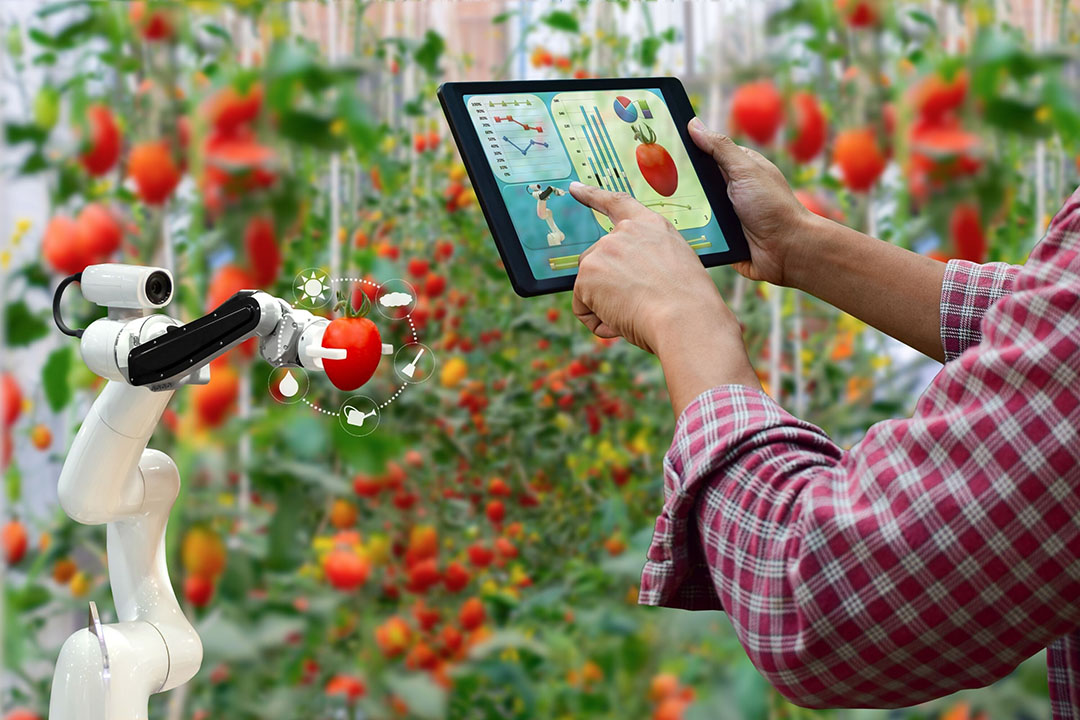
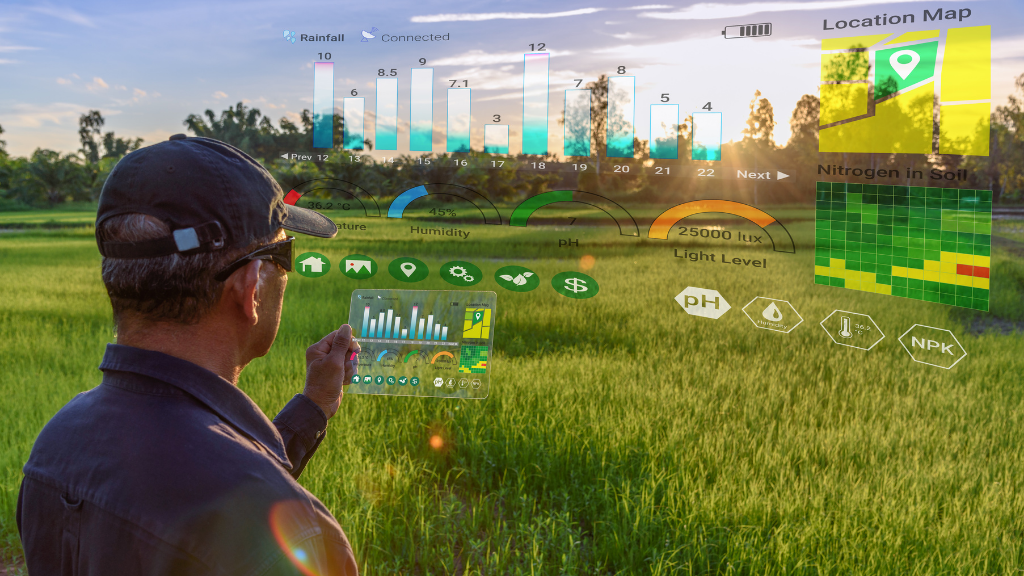
Precision agriculture refers to the use of technology to monitor and manage field variability in crops to improve productivity and reduce input costs. This includes:
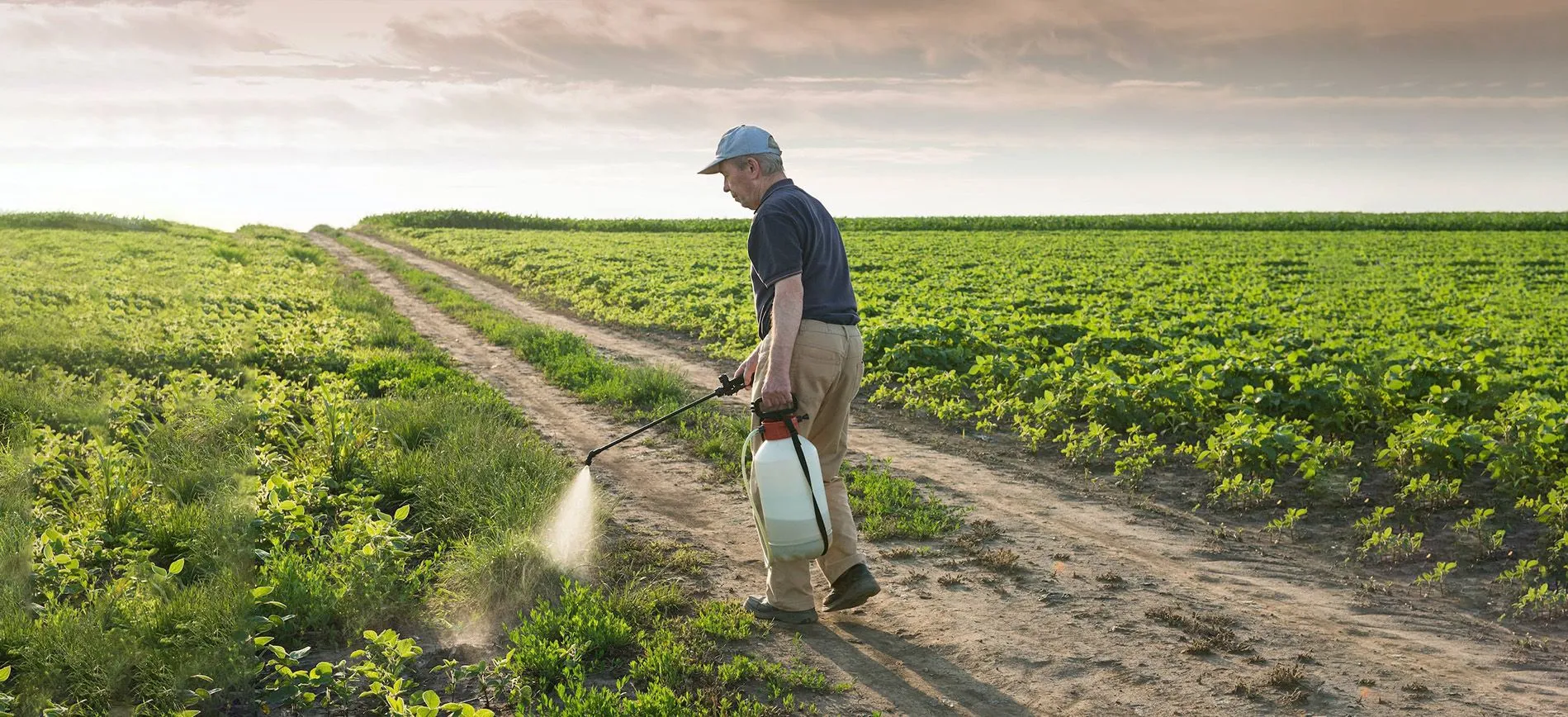
- GPS-guided tractors and drones: These technologies allow farmers to apply fertilizers, pesticides, and water more efficiently, targeting only the areas that need them.
- Remote sensing: Using satellite imagery and drones to monitor crop health and detect issues such as pests, diseases, and water stress early, enabling timely interventions.
- Mobile Technology and Apps
Mobile technology is revolutionizing agriculture in Africa. Smartphone apps provide farmers with real-time information on weather, market prices, pest outbreaks, and best farming practices. For example, platforms like M-Farm and iCow offer a variety of services that help farmers increase yields by providing market access, financial advice, and expert guidance. - Biotechnology and Crop Breeding
The development of genetically modified crops and improved hybrid varieties has revolutionized farming in many parts of the world. In Africa, biotech innovations are addressing issues such as drought tolerance, pest resistance, and increased nutrient content. For instance, scientists are working on developing biofortified crops, such as iron-rich beans and vitamin A-enriched maize, to improve the nutritional status of the population.
Conclusion: A Sustainable Future for African Agriculture
Improving crop yields in Africa is essential for ensuring food security, boosting economic growth, and reducing poverty. By adopting sustainable farming practices, investing in soil health, utilizing water management strategies, and embracing advanced technologies, African farmers can significantly improve their productivity. However, it is crucial that governments, NGOs, and agricultural organizations continue to support smallholder farmers through access to quality seeds, training, and modern farming tools. With the right strategies and technologies, Africa’s agricultural sector has the potential to meet the challenges of a growing population and a changing climate.