Integrated Pest Management (IPM) is gaining traction across African agriculture as a sustainable approach to combat pest infestations. This practice, which combines biological, cultural, physical, and chemical control methods, aims to minimize the reliance on harmful chemical pesticides. With agriculture being a cornerstone of Africa’s economy, especially in rural areas, effective pest management strategies are essential for boosting crop yields, protecting the environment, and promoting long-term food security.
The Role of IPM in African Agriculture
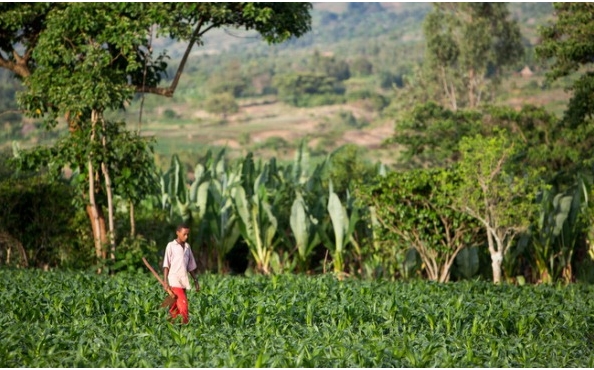
In sub-Saharan Africa, agriculture faces several challenges, including poor soil health, climate change, and pest-related crop losses. The widespread use of chemical pesticides has often resulted in harmful environmental impacts, pest resistance, and health risks to farmers. IPM addresses these concerns by integrating various pest control techniques that are both effective and environmentally friendly.
Key Components of IPM
- Cultural Control
Cultural practices, such as crop rotation, intercropping, and the use of resistant crop varieties, play a pivotal role in pest management. These practices disrupt the life cycle of pests, making it harder for them to establish and thrive in agricultural fields. Additionally, soil health improvement through organic practices supports plant growth, which in turn reduces vulnerability to pests. - Biological Control
Biological control involves using natural predators or parasites to control pest populations. For example, introducing beneficial insects such as ladybugs or predatory mites can significantly reduce harmful pest species without harming crops. This method not only helps in pest management but also supports biodiversity. - Physical and Mechanical Control
Physical barriers like nets, traps, and mulches are used to prevent pests from accessing crops. Mechanical methods such as manual weeding or using mechanical devices to remove pests are also effective. These methods are labor-intensive but environmentally safe and cost-effective. - Chemical Control
While IPM promotes minimizing pesticide use, it does not completely exclude chemicals. Chemical controls are used as a last resort when pest populations exceed economically damaging levels. However, IPM emphasizes the use of less toxic chemicals, targeted application methods, and the rotation of pesticide types to reduce the chances of resistance development.
Benefits of IPM in African Agriculture
- Reduced Environmental Impact
By reducing reliance on chemical pesticides, IPM helps preserve soil health, water quality, and non-target species, ensuring that ecosystems remain balanced. Additionally, the reduction of pesticide runoff into water systems helps prevent the contamination of freshwater resources. - Economic Gains for Farmers
The long-term benefits of IPM outweigh the initial investment costs. Farmers who adopt IPM practices can reduce their expenditure on pesticides while enjoying higher crop yields due to improved pest control and healthier crops. This ultimately leads to improved profitability and food security. - Pest Resistance Management
Over-reliance on chemical pesticides has led to the development of resistant pest populations, making pest control less effective. IPM, through its diverse approach, helps prevent this issue by using a variety of pest control methods, slowing the rate at which pests evolve resistance. - Health and Safety
Reducing chemical pesticide use lowers the risk of health hazards for farmers, their families, and consumers. Pesticides can contaminate food, water, and air, leading to potential long-term health issues. IPM offers a safer, more sustainable alternative for food production.
IPM Adoption in Africa: Challenges and Opportunities
Despite the clear benefits of IPM, its adoption in Africa faces several challenges. The cost of initial training and the development of infrastructure to support IPM practices can be prohibitive, especially for smallholder farmers. Moreover, the lack of awareness and expertise about IPM techniques in some rural areas poses a significant barrier to its widespread implementation.
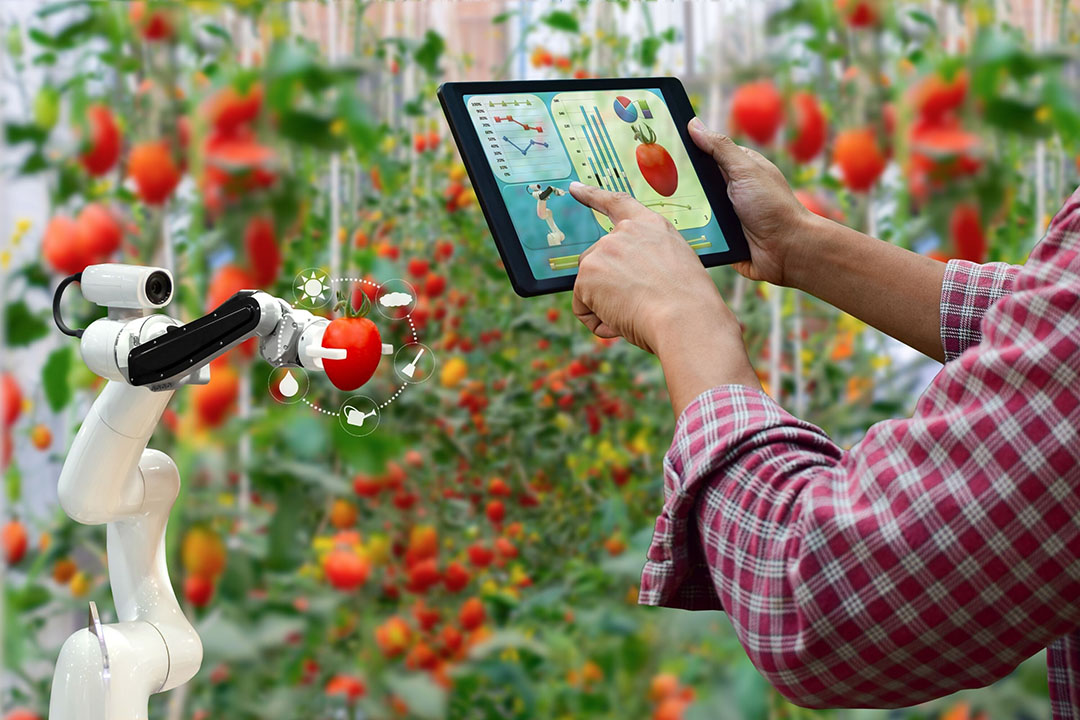
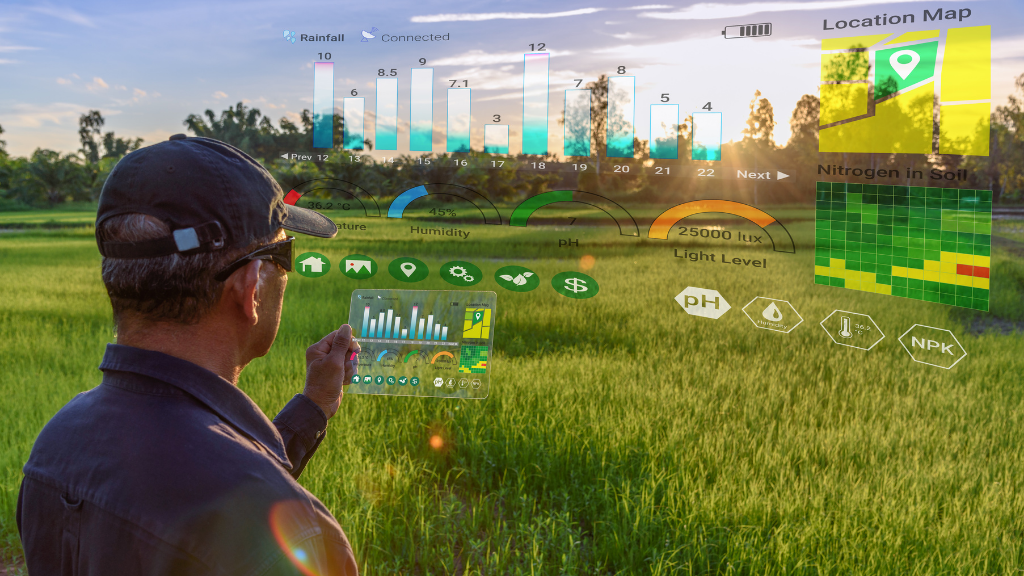
However, there are significant opportunities to promote IPM across the continent. Government policies that support sustainable agriculture, alongside international cooperation and investment, can help overcome these challenges. Additionally, the rise of digital platforms and mobile applications is providing farmers with better access to training, advice, and tools to implement IPM practices.
Successful Case Studies of IPM in Africa
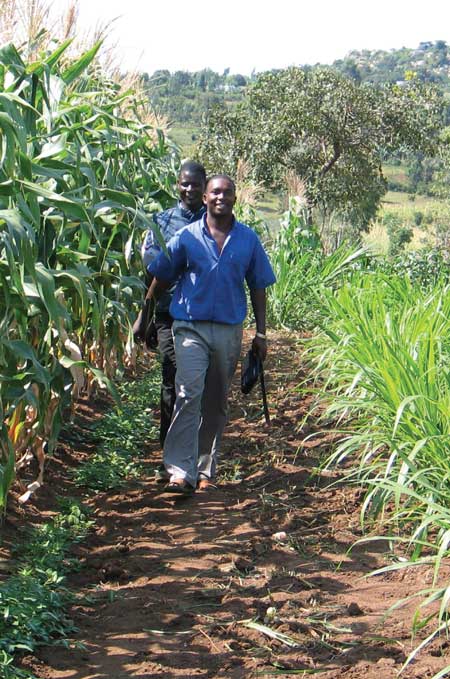
Several African countries have already seen the benefits of implementing IPM. In Kenya, for example, farmers have successfully used biological control methods to manage fall armyworm infestations, a major pest threatening maize production. Similarly, in Uganda, farmers have adopted crop rotation and intercropping techniques to control pest populations and enhance soil fertility.
Conclusion: A Sustainable Future with IPM
Integrated Pest Management is a powerful tool that can help African agriculture achieve sustainable growth while minimizing environmental and health risks. By promoting IPM practices, farmers can reduce dependency on harmful pesticides, protect the environment, and increase their profitability. However, achieving widespread adoption will require concerted efforts from governments, agricultural organizations, and farmers themselves to overcome barriers and embrace this holistic approach to pest management.