As Africa’s population grows and urbanization continues, the demand for food is rising rapidly. Agriculture, which remains the backbone of the continent’s economy, must become more productive and sustainable to meet these growing demands. This is where precision agriculture comes in.
Precision agriculture (PA), also known as smart farming, utilizes advanced technologies such as drones, GPS, IoT sensors, and data analytics to optimize agricultural practices. By enabling farmers to make data-driven decisions, precision agriculture promises to increase productivity, reduce waste, and make farming more environmentally sustainable. In Africa, where agriculture plays such a pivotal role, precision farming has the potential to transform the sector. However, it also comes with a set of unique challenges.
In this article, we will explore the opportunities and challenges that precision agriculture presents to Africa, and how the continent can harness technology to improve farming practices.
1. What is Precision Agriculture?
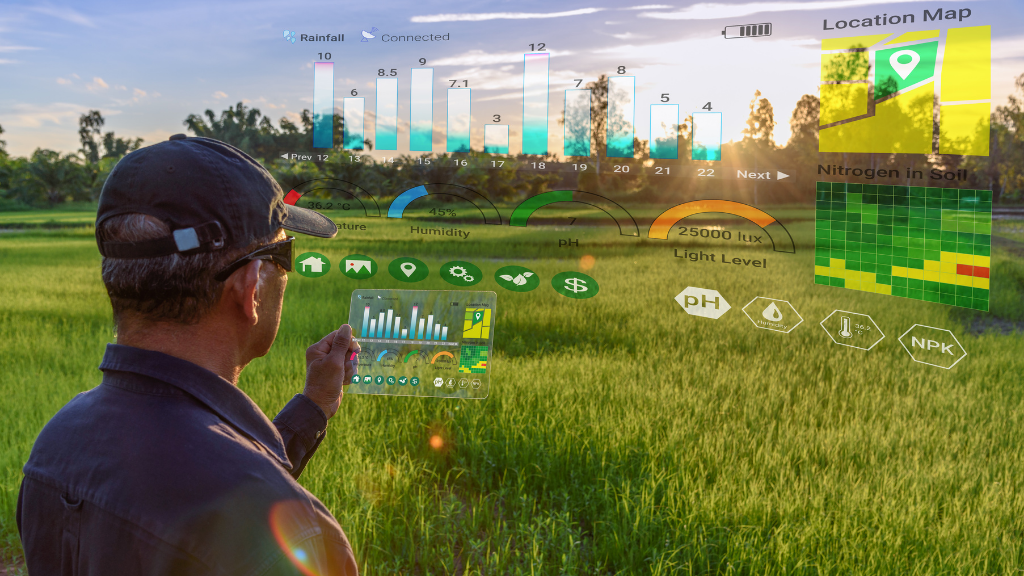
Precision agriculture refers to farming practices that use technology to collect data on the health of crops, soil quality, and weather patterns to guide decisions on irrigation, fertilization, planting, and pest control. Key components of precision agriculture include:
- Global Positioning Systems (GPS): To track equipment location and map out fields with high accuracy.
- Drones: For aerial monitoring and capturing data on crop health and irrigation needs.
- Sensors and IoT (Internet of Things): To monitor soil moisture, temperature, and nutrient levels.
- Data analytics: To process collected data and make actionable recommendations for improving yields and reducing waste.
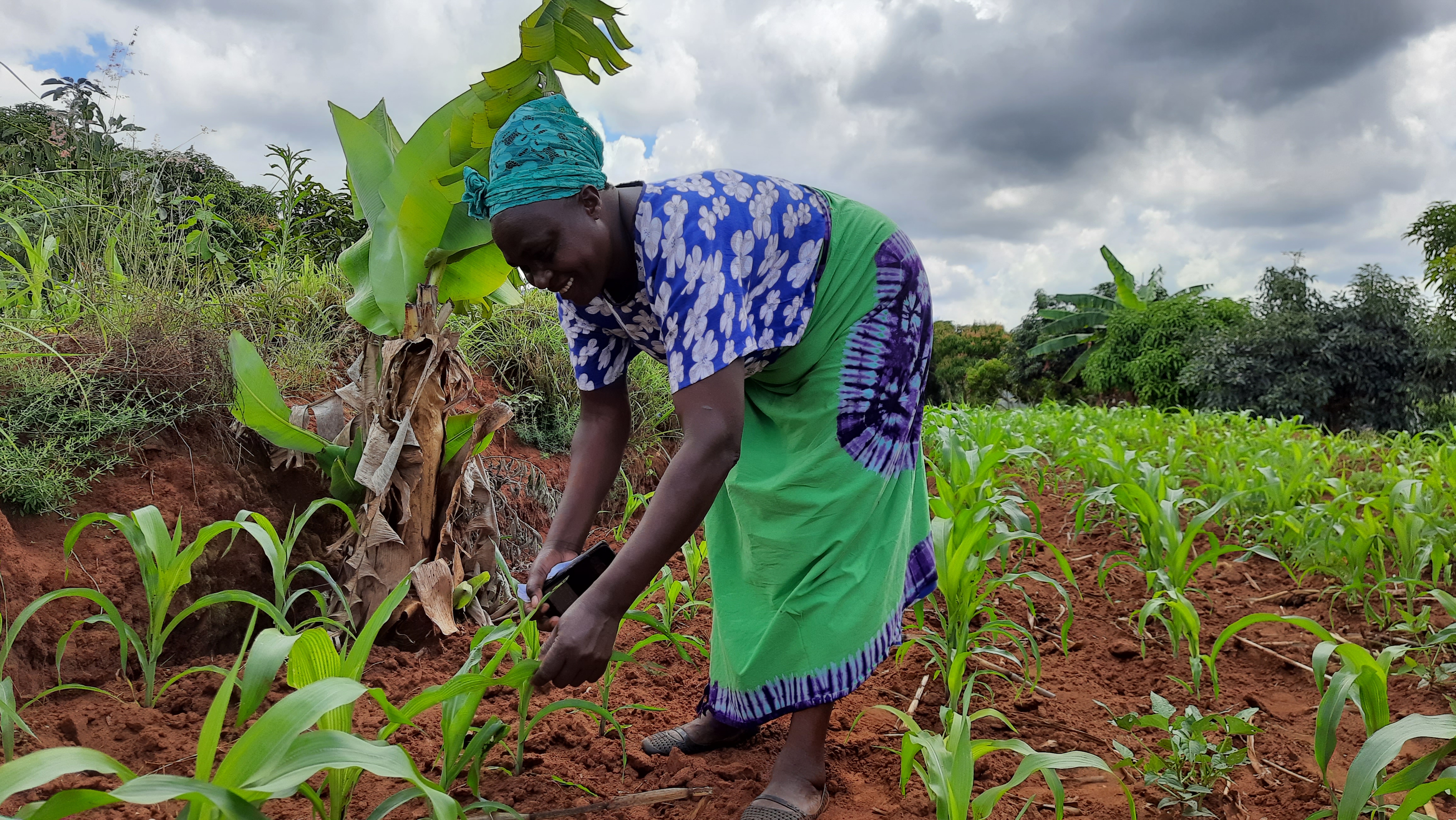
In essence, precision agriculture allows farmers to monitor their land more efficiently and make informed decisions that increase crop productivity while reducing input costs.
2. Opportunities for Precision Agriculture in Africa
The adoption of precision farming technologies in Africa offers a wide range of opportunities, particularly for smallholder farmers who face significant challenges in improving yields and managing resources effectively. Here are the key opportunities:
1. Improved Crop Yields and Productivity
With real-time data and targeted interventions, precision agriculture allows farmers to optimize inputs such as water, fertilizer, and pesticides. This not only boosts crop yields but also increases productivity per hectare. By monitoring crop health with drones and sensors, farmers can take immediate action to address pest outbreaks or nutrient deficiencies, reducing the risk of crop loss and improving the overall harvest.
2. Sustainable Farming Practices
Precision agriculture helps farmers use resources more efficiently, leading to sustainable farming practices. For instance, smart irrigation systems ensure that crops receive the right amount of water at the right time, helping to conserve water in regions prone to drought. Similarly, precision fertilization techniques prevent the overuse of fertilizers, reducing the environmental impact of farming and enhancing soil health over time.
3. Access to Market Insights
AI-powered data analytics can provide farmers with insights into market trends, including demand for specific crops, pricing, and opportunities for export. This data helps farmers make better-informed decisions about which crops to grow and when to sell, increasing their market competitiveness.
4. Enhanced Risk Management
By using weather forecasting tools and real-time data, precision agriculture allows farmers to better anticipate and manage risks associated with unpredictable weather patterns, such as droughts or floods. This capability improves financial stability and reduces losses, particularly in vulnerable regions.
5. Empowering Smallholder Farmers
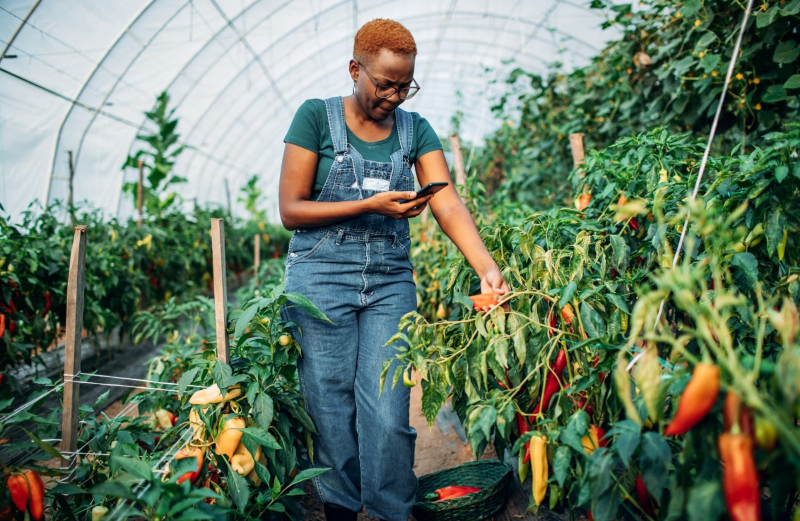
One of the most promising aspects of precision agriculture is its potential to empower smallholder farmers in Africa. With mobile apps and affordable technology, small-scale farmers can access the benefits of precision farming without needing massive financial investments. These technologies are making it easier for smallholder farmers to increase their income while minimizing costs.
3. Challenges of Precision Agriculture in Africa
While the potential of precision agriculture in Africa is significant, there are several challenges that must be addressed for it to achieve widespread adoption and success.
1. High Initial Costs
One of the primary barriers to precision agriculture is the high upfront cost of the technologies involved. Smallholder farmers, who make up the majority of Africa’s agricultural workforce, often struggle to afford the necessary equipment and technology, such as drones, GPS systems, and IoT sensors. Although prices are gradually decreasing, these technologies can still be prohibitively expensive for farmers in rural or impoverished areas.
2. Limited Access to Technology and Infrastructure
In many parts of Africa, particularly in rural and remote areas, there is limited access to the internet, mobile networks, and electricity—all of which are crucial for implementing precision agriculture. Without reliable infrastructure, it becomes difficult for farmers to access data-driven tools and digital platforms that are essential for precision farming.
3. Lack of Training and Technical Skills
For precision agriculture to be successful, farmers must have the technical knowledge to operate sophisticated systems, analyze data, and implement recommended practices. However, many farmers in Africa lack access to training programs or the resources to learn how to use these advanced tools. Overcoming this knowledge gap will be essential to the widespread adoption of precision agriculture technologies.
4. Data Accessibility and Security
The use of AI, drones, and data analytics in agriculture requires significant amounts of data. However, ensuring data accessibility and security presents a challenge. Farmers must be confident that their data will be used responsibly, and there is a need for proper regulations around data privacy and ownership.
5. Climate Change and Unpredictable Weather
Despite its advantages, precision agriculture is not a perfect solution for dealing with climate change and unpredictable weather patterns. While data-driven tools can help mitigate some risks, factors such as extreme weather and changing seasons can still impact agricultural productivity, making it important for farmers to use precision farming alongside other climate adaptation strategies.
4. How Africa Can Harness the Potential of Precision Agriculture
To fully unlock the potential of precision agriculture, Africa must invest in infrastructure, education, and collaboration. Governments, development agencies, and private companies can help bridge the gap by:
- Reducing the cost of technology through subsidies or financing options for smallholder farmers.
- Improving internet access and power supply in rural areas to enable the widespread use of digital tools.
- Providing training and capacity-building programs to equip farmers with the skills to operate and benefit from precision farming technologies.
- Fostering partnerships between governments, NGOs, and the private sector to ensure that precision agriculture is accessible to all African farmers, particularly those in underserved communities.
5. Conclusion
Precision agriculture holds tremendous potential for transforming African farming, improving food security, and ensuring sustainable practices. By leveraging technologies like drones, AI, and data analytics, farmers can optimize crop production, reduce environmental impact, and increase profits. However, challenges such as cost, accessibility, and training need to be addressed to ensure that these innovations benefit all African farmers.
With the right support and investment, precision agriculture can drive Africa’s agricultural revolution, improving livelihoods and economic stability for millions of farmers across the continent. As technology continues to evolve, the future of precision agriculture in Africa looks brighter, offering the tools and resources necessary to meet the growing demands of the global food system.