The Southern African economy is one of the most structured and industrialized regions on the continent. At its core are South Africa, Botswana, and Namibia, three countries that play a vital role in trade, mining, finance, and regional integration. While each country has distinct economic strengths, they share historical trade ties and participate actively in regional blocs such as the Southern African Development Community.
Together, these economies shape investment flows, mineral exports, tourism growth, and industrial production across Southern Africa. Understanding the Southern African economy requires examining how these three nations contribute individually and collectively.
South Africa: Industrial and Financial Hub
South Africa is the most industrialized economy in Africa and the largest within Southern Africa. It has a diversified economy that includes mining, manufacturing, finance, agriculture, telecommunications, and services.
Johannesburg serves as the region’s financial center. The Johannesburg Stock Exchange is one of the largest and most advanced exchanges in emerging markets. This gives South Africa a strong financial infrastructure that supports both domestic and foreign investment.
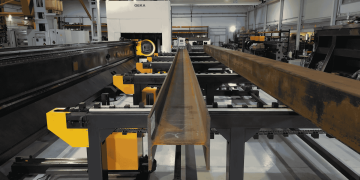
Mining remains a cornerstone. South Africa is a leading producer of gold, platinum, manganese, and coal. However, the country has worked to diversify into automotive manufacturing, renewable energy, and digital services.
Despite its strengths, South Africa faces structural challenges such as unemployment, electricity supply constraints, and income inequality. Power shortages have slowed growth, but investment in renewable energy is expanding.
South Africa’s advanced banking system and deep capital markets continue to anchor the Southern African economy.
Botswana: Diamond-Driven Stability
Botswana is often cited as one of Africa’s economic success stories. Since independence, Botswana has managed its diamond wealth prudently, building strong fiscal reserves and maintaining political stability.
Diamonds dominate Botswana’s export earnings. The country is one of the world’s leading diamond producers, with revenues supporting public services, infrastructure, and education.
Unlike many resource-dependent nations, Botswana has maintained relatively low levels of corruption and stable governance. This has attracted foreign investment and maintained investor confidence.
However, diamond dependency presents risks. When global demand declines, government revenue and economic growth slow. To address this, Botswana is investing in tourism, financial services, and renewable energy.
Tourism plays a significant role, particularly through eco-tourism in areas such as the Okavango Delta. Diversification efforts aim to reduce reliance on mineral exports while strengthening small and medium enterprises.
Namibia: Mining, Logistics, and Renewable Potential
Namibia has a smaller but strategically positioned economy within Southern Africa. Mining is central, with uranium, diamonds, and zinc among key exports.
Namibia’s uranium reserves make it an important supplier in the global nuclear energy market. Diamond mining also contributes significantly to export revenue.
Beyond mining, Namibia benefits from its Atlantic coastline and the Port of Walvis Bay. This port serves as a trade gateway for landlocked countries in Southern Africa, strengthening Namibia’s logistics sector.
The country is also emerging as a renewable energy player. Namibia has vast solar and wind resources and is exploring green hydrogen projects to attract global investment.
Challenges include high unemployment and limited industrial diversification. However, stable governance and infrastructure investments position Namibia as a reliable regional partner.
Regional Trade and Integration
The Southern African economy benefits from strong regional trade integration. South Africa, Botswana, and Namibia are members of the Southern African Customs Union, one of the oldest customs unions in the world.
This agreement facilitates tariff-free trade among member states and enhances economic cooperation. South Africa acts as the main trading partner for both Botswana and Namibia, supplying manufactured goods while importing minerals and agricultural products.
Cross-border investment flows also strengthen economic ties. Infrastructure projects, including road corridors and energy interconnections, enhance regional connectivity.
Key Challenges in the Southern African Economy
While the region shows relative stability, several challenges remain:
Commodity Dependence
Mining dominates exports in all three countries, exposing them to global price volatility.
Unemployment
South Africa and Namibia face persistently high unemployment rates.
Energy Constraints
South Africa’s electricity supply challenges affect regional supply chains.
Climate Risks
Droughts and climate variability impact agriculture and water resources.
Opportunities for Future Growth
The Southern African economy holds significant potential for expansion if diversification strategies succeed.
Renewable Energy
South Africa and Namibia are investing heavily in solar and wind energy. Green hydrogen projects could attract international partnerships.
Financial Expansion
South Africa’s advanced financial system can support regional investment initiatives.
Tourism Development
Botswana and Namibia’s eco-tourism industries continue to grow, offering sustainable revenue streams.
Industrial Diversification
Encouraging manufacturing and digital industries can reduce reliance on raw mineral exports.
Future Outlook
The Southern African economy remains one of the continent’s most organized and integrated regions. South Africa’s financial strength anchors regional trade. Botswana’s prudent management of diamond wealth provides fiscal stability. Namibia’s logistics and renewable ambitions open new economic pathways.
If structural reforms, energy investments, and diversification efforts continue, Southern Africa could strengthen its competitive position within Africa and global markets.
Conclusion
The Southern African economy, driven by South Africa, Botswana, and Namibia, reflects a blend of industrial strength, mineral wealth, and strategic trade positioning. While challenges such as unemployment and commodity dependence persist, ongoing reforms and regional cooperation offer a promising outlook. As diversification and renewable energy investments expand, the region is well positioned to remain a key economic hub in Africa.