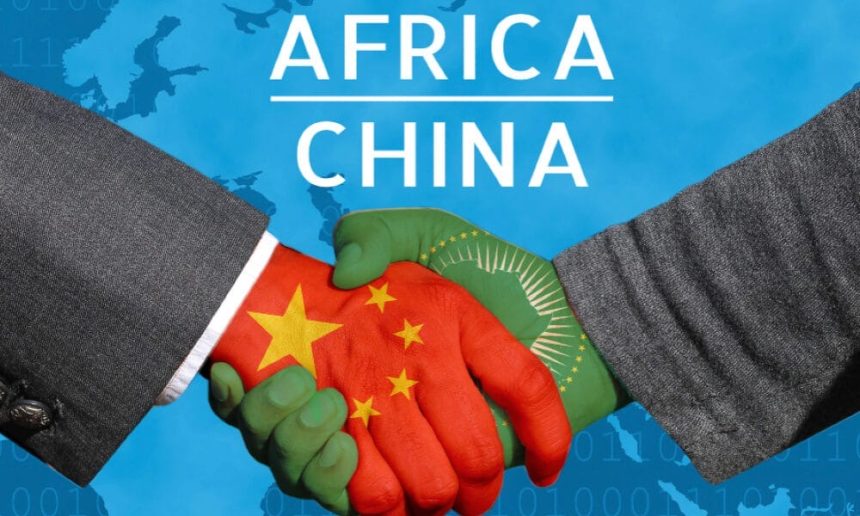
China zero tariff Africa policy is set to reshape trade relations as Beijing moves to eliminate tariffs for all African countries with diplomatic ties.
China announced that starting May 1, 2026, it will extend zero-tariff treatment to every African nation maintaining official diplomatic relations. This move signals a major shift in trade access and economic cooperation between China and the continent.
China zero tariff Africa policy expands trade access
The China zero tariff Africa decision opens the door for African exports to enter one of the world’s largest markets without customs duties. This change is expected to boost trade volumes and strengthen economic ties.
By removing tariffs, China aims to create more opportunities for African producers. Exporters across sectors such as agriculture, manufacturing, and raw materials could benefit from improved market access.
This policy builds on China’s long-standing engagement with Africa. However, expanding zero tariffs to all eligible countries marks a broader and more inclusive approach.
China zero tariff Africa move supports economic growth
The China zero tariff Africa initiative is likely to support economic growth across the continent. Lower trade barriers can increase competitiveness for African goods in the Chinese market.
As a result, businesses may see higher demand for exports. This could drive job creation and income growth, especially in export-driven industries.
At the same time, African governments may use this opportunity to diversify their economies. Expanding export capacity can reduce reliance on limited sectors and strengthen resilience.
China zero tariff Africa policy strengthens partnerships
The China zero tariff Africa strategy also reinforces diplomatic and economic partnerships. Trade incentives often deepen cooperation and encourage long-term collaboration.
By linking tariff benefits to diplomatic ties, China is strengthening its relationships across Africa. This approach aligns economic policy with foreign relations, creating mutual benefits.
In addition, the move may influence global trade dynamics. Other major economies could respond with similar initiatives to maintain competitiveness in African markets.
China zero tariff Africa impact to unfold
The full impact of the China zero tariff Africa policy will become clearer after implementation. Much will depend on how quickly African countries can scale production and meet export standards.
Infrastructure, logistics, and trade readiness will play a key role. Countries that invest in these areas are likely to gain the most from the new policy.
The China zero tariff Africa policy represents a significant step in global trade relations. By removing tariffs for African countries, China is opening new pathways for growth and cooperation.
If leveraged effectively, this initiative could transform trade flows, strengthen economies, and deepen ties between China and Africa.