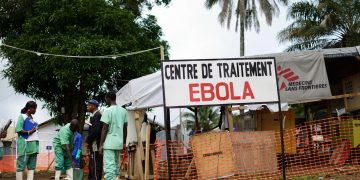
Africa’s health funding shift is accelerating as governments and policymakers confront a new reality: declining donor support is forcing the continent to rethink how it finances healthcare. At a recent regional meeting of the World Health Summit in Nairobi, leaders and experts outlined a growing consensus that Africa must increasingly rely on domestic resources to build resilient and sustainable health systems.
The health funding shift comes at a critical time, with external aid no longer guaranteed to meet the continent’s expanding healthcare needs. While donor contributions have historically played a central role, the changing global economic climate is prompting African nations to take greater ownership of their health financing strategies.
Health funding shift drives domestic financing strategies
The health funding shift is pushing governments to explore new ways of raising revenue internally. One approach gaining traction involves expanding the tax base to capture previously underutilized sectors, including informal businesses and financial transactions. Policymakers are also considering targeted levies such as taxes on alcohol, tobacco, sugary drinks, and luxury goods.
These measures are seen not only as revenue generators but also as tools to promote healthier lifestyles. By aligning fiscal policy with public health goals, governments hope to create a dual impact—raising funds while reducing disease burdens linked to lifestyle choices.
Reducing costs becomes key in health funding shift
Beyond revenue generation, the health funding shift is also prompting a strong focus on cost reduction. Experts argue that African countries must decrease reliance on imported medical supplies and invest more heavily in local production and supply chains. Strengthening domestic pharmaceutical manufacturing and healthcare infrastructure could significantly lower long-term costs.
At the same time, expanding social protection systems, including national health insurance schemes, is emerging as a priority. These systems can help distribute healthcare costs more equitably and ensure broader access to essential services, especially for vulnerable populations.
Building self-sustaining health systems
A central theme of the discussions in Nairobi was the need for health systems that can operate independently of external funding. Experts emphasized that any new model must be financially sustainable in the long term, capable of withstanding fluctuations in global aid flows.
This shift requires careful planning and strong governance. Without effective implementation, there is a risk that increased domestic financing could place additional burdens on citizens, particularly in low-income communities. Policymakers must therefore strike a balance between raising funds and protecting access to affordable healthcare.
Challenges and opportunities ahead
The health funding shift presents both challenges and opportunities for Africa. On one hand, transitioning away from donor dependency demands significant structural reforms and political commitment. On the other, it offers a chance to build more accountable, locally driven health systems tailored to the continent’s unique needs.
As Africa navigates this transition, the choices made now will shape the future of healthcare for millions. The success of this health funding shift will depend on how effectively governments mobilize resources, manage costs, and ensure that no one is left behind in the pursuit of sustainable health systems.