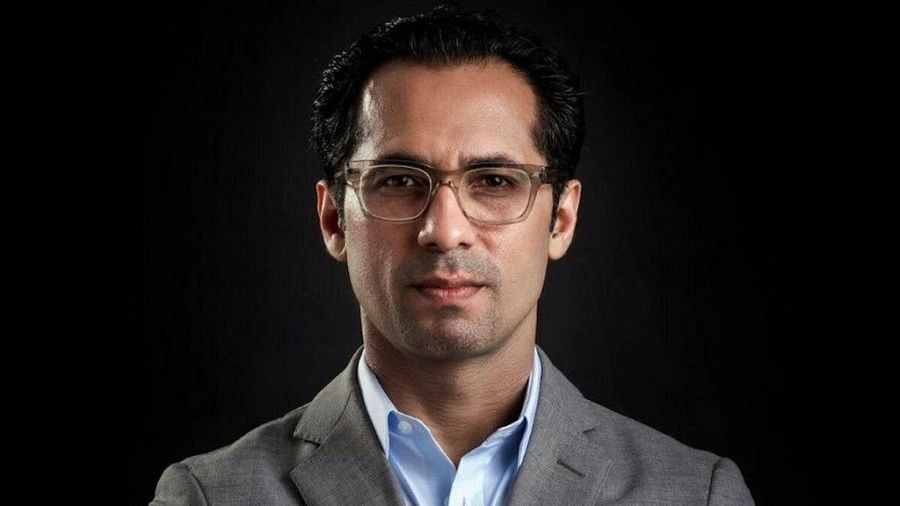
Tanzanian billionaire Mohammed Dewji is preparing a major entry into Kenya’s highly competitive beverage industry with plans to build a Sh6.5 billion ($50 million) manufacturing plant in Mombasa aimed at producing low-cost soft drinks under the Mo Cola brand.
The investment marks one of the most ambitious attempts in decades to challenge the dominance of Coca-Cola and PepsiCo in East Africa’s largest economy. Mohammed Dewji, through his MeTL Group conglomerate, intends to replicate in Kenya the same low-price strategy that helped Mo Cola gain significant market share in Tanzania.
The planned Mombasa facility would manufacture MeTL’s beverage portfolio, including Mo Cola, Mo Xtra and Mo Malto, with 300-millilitre soda bottles expected to retail at approximately Sh15. Comparable beverages from multinational competitors currently retail at around Sh40 in many Kenyan outlets.
The aggressive pricing strategy immediately positions Mohammed Dewji as one of the most serious challengers Coca-Cola has faced in Kenya’s carbonated drinks market in years.
Dewji told Kenyan business media that MeTL Group is already evaluating land, partnerships and supply chain requirements ahead of a possible groundbreaking within the next 12 months. The project would represent MeTL’s first large-scale manufacturing investment in Kenya and could pave the way for wider expansion into other sectors.
Mohammed Dewji Bets on Affordable Pricing
The core of Mohammed Dewji’s strategy is affordability.
Rather than targeting premium urban consumers, MeTL intends to focus on Kenya’s mass market population, particularly low- and middle-income consumers affected by inflation and rising living costs.
Industry analysts say the Sh15 pricing model could significantly reshape purchasing behavior if sustained over time.
For many Kenyan households, branded sodas remain occasional purchases due to price pressures. By reducing the retail price to nearly one-third of competing brands, MeTL hopes to make soft drinks an everyday consumer product for millions more people.
The approach mirrors the company’s strategy in Tanzania, where Mo Cola steadily expanded its presence against multinational rivals by focusing on price-sensitive consumers.
Economists say the timing may work in Dewji’s favor.
Kenya’s economy has experienced prolonged pressure from high fuel prices, rising food costs and weakening household purchasing power. Consumer demand has increasingly shifted toward lower-cost alternatives across sectors including food, household goods and retail beverages.
If Mohammed Dewji successfully maintains low production costs while preserving quality standards, the Mombasa investment could trigger one of the biggest pricing battles the regional beverage industry has seen in years.
Kenya’s Beverage Market Remains Difficult to Crack
Despite Kenya’s large population and growing urbanization, the soft drinks market has historically been difficult for challengers seeking to weaken Coca-Cola’s grip.
Several companies have attempted aggressive expansion over the last three decades but struggled to sustain operations against the scale, marketing strength and distribution power of multinational beverage giants.
One of the most notable attempts came from Softa Bottling Company, founded by Kenyan businessman Peter Kuguru in the late 1990s. Softa briefly gained significant consumer attention but eventually lost momentum amid intense competition and operational challenges.
Other regional brands have also struggled to achieve nationwide penetration in the carbonated drinks segment.
While local manufacturers such as Kevian Kenya have expanded successfully in juices and flavored drinks, the core soda market remains heavily dominated by Coca-Cola and PepsiCo.
That history illustrates the scale of the challenge facing Mohammed Dewji.
Success in Kenya will require more than cheaper products. Analysts say MeTL must simultaneously build strong nationwide distribution, secure reliable retail partnerships and invest heavily in marketing campaigns capable of competing against globally recognized brands.
Distribution infrastructure will likely become one of the most decisive factors.
Coca-Cola’s Kenyan operations benefit from decades-old supply chains that reach nearly every town, supermarket, kiosk and rural retail outlet in the country. Replicating that reach requires major logistical investments.
Still, some analysts believe MeTL enters the Kenyan market with advantages previous challengers lacked.
Unlike smaller local bottlers, MeTL already operates as one of East Africa’s largest industrial conglomerates, giving it financial scale, regional supply chain experience and access to manufacturing expertise across multiple sectors.
Mohammed Dewji Built MeTL Into a Regional Powerhouse
Mohammed Dewji transformed MeTL Group into one of Africa’s largest privately owned industrial businesses after taking leadership of the family enterprise at a relatively young age.
Born in Tanzania in 1978, Dewji studied at Georgetown University in Washington, D.C., before briefly working at consulting firm McKinsey & Company.
He later returned to Tanzania and expanded the family business far beyond its original trading operations.
Today, MeTL Group operates across manufacturing, agriculture, logistics, energy, real estate and consumer goods. The company produces products ranging from edible oils and flour to textiles, fuel, soap and beverages.
The conglomerate has operations in multiple African countries, including Uganda, Mozambique and Rwanda.
Under Mohammed Dewji’s leadership, MeTL increasingly focused on mass-market consumers rather than premium segments. That strategy allowed the group to grow rapidly among lower-income households seeking affordable alternatives to imported or multinational products.
The beverage business became one of the clearest examples of that approach.
Rather than attempting to position Mo Cola as a premium international-style beverage, MeTL marketed it as a reliable, accessible and inexpensive soda for ordinary consumers.
The strategy helped the brand gain substantial traction in Tanzania over the past decade.
According to regional market observers, Mo Cola’s success demonstrated that strong local manufacturing combined with aggressive pricing could meaningfully challenge established multinational brands in East Africa.
Kenya now represents the next major test.
Mombasa Chosen as Strategic Manufacturing Hub
MeTL’s decision to locate the proposed plant in Mombasa reflects both logistical and commercial considerations.
Mombasa remains East Africa’s largest port city and serves as a major gateway for imports, exports and regional trade distribution.
The location provides direct access to shipping routes, raw material imports and transportation networks connecting Kenya to neighboring countries.
Manufacturing in Mombasa could also help MeTL reduce logistics costs associated with importing beverages from Tanzania.
The city’s industrial infrastructure and proximity to regional markets may allow the company to distribute products efficiently across Kenya and potentially into neighboring countries.
Kenya has increasingly promoted coastal industrial investment as part of broader manufacturing and economic diversification goals.
The proposed investment by Mohammed Dewji aligns with those ambitions and could create hundreds of direct and indirect jobs during construction and operational phases.
Analysts say Kenya’s manufacturing sector continues attracting regional investors despite concerns about taxation, energy costs and operating expenses.
The country remains one of East Africa’s most strategically important consumer markets due to its population size, retail ecosystem and regional trade position.
Mohammed Dewji Could Expand Beyond Beverages
The Mombasa plant may only represent the beginning of MeTL’s Kenyan ambitions.
Reports indicate Mohammed Dewji is also exploring investments in Kenya’s hospitality, energy and broader consumer goods sectors.
Such expansion would align with MeTL’s diversified regional business model.
The conglomerate has historically entered new markets through manufacturing and FMCG operations before expanding into related sectors including logistics and energy distribution.
Kenya offers substantial long-term growth potential for regional industrial players seeking access to East Africa’s largest consumer economy.
The East African Community’s trade integration agenda also makes cross-border expansion increasingly attractive for companies like MeTL.
Regional manufacturers are seeking to leverage harmonized trade policies, improved transport corridors and growing urban populations to scale operations beyond domestic markets.
For Mohammed Dewji, Kenya represents both a commercial opportunity and a strategic regional expansion target.
Coca-Cola and PepsiCo Face Growing African Competition
The planned MeTL expansion comes as global beverage companies continue increasing investment across Africa.
Coca-Cola recently announced plans to invest approximately $1 billion in South Africa by 2030 as part of broader efforts to strengthen its African operations.
Meanwhile, Coca-Cola HBC has pursued major bottling consolidation initiatives aimed at expanding operational efficiency across the continent.
Africa’s rapid urbanization, population growth and rising consumer base continue attracting both multinational corporations and regional industrial conglomerates.
The continent’s beverage market remains one of the fastest-growing globally, particularly among younger consumers.
That growth potential has intensified competition.
Regional companies increasingly believe they can compete effectively by focusing on affordability, local manufacturing and products tailored to domestic purchasing power.
Mohammed Dewji’s Kenya strategy reflects that broader trend.
Rather than directly imitating multinational branding strategies, MeTL is focusing on pricing accessibility and local production economics.
Whether that model succeeds at scale in Kenya remains uncertain, but industry observers say it could force larger competitors to reconsider pricing structures in some market segments.
Inflation and Consumer Pressure Create New Opportunities
Economic conditions across East Africa may create favorable conditions for low-cost beverage brands.
Consumers in Kenya, Tanzania and Uganda continue facing pressure from inflation, currency fluctuations and higher living costs.
Many households are becoming increasingly price-conscious, particularly in discretionary consumer spending categories.
That environment may help brands positioned around affordability gain traction faster than in previous decades.
Retailers have also increasingly embraced lower-cost alternatives as shoppers seek value-oriented products.
Analysts say consumer behavior across Africa is gradually shifting toward “good enough” brands that offer acceptable quality at significantly lower prices.
That trend has benefited regional manufacturers in industries including food processing, household products and retail.
Mohammed Dewji’s expansion strategy directly targets that shift.
By maintaining aggressive pricing while building manufacturing scale, MeTL hopes to position Mo Cola as a mainstream everyday beverage rather than a niche alternative.
Mohammed Dewji’s Personal Story Adds Visibility
Mohammed Dewji remains one of Africa’s most recognizable business figures.
Beyond his industrial success, he gained international attention following his kidnapping in Dar es Salaam in 2018. He was released after nine days in an incident that shocked the region and drew global headlines.
Dewji later described the experience as transformative but said it strengthened his commitment to expanding MeTL across Africa.
He has also remained active in philanthropy and regional business advocacy.
Forbes estimates his net worth at approximately $2.1 billion, consistently placing him among Africa’s wealthiest individuals.
His visibility gives MeTL a level of public recognition many regional manufacturers lack.
That profile could become an advantage as the company seeks to establish Mo Cola in Kenya’s competitive consumer market.
Why This Matters
Mohammed Dewji’s proposed Mombasa plant signals a growing shift in African manufacturing and consumer markets.
Regional industrial groups are no longer limiting themselves to domestic markets. Instead, they are increasingly competing directly against multinational corporations across East Africa.
If MeTL succeeds in Kenya, it could reshape pricing dynamics in the beverage industry while accelerating broader competition among regional FMCG companies.
The investment also highlights the growing importance of affordable consumer products in economies facing inflation and income pressure.
What Happens Next
MeTL Group is expected to finalize feasibility studies, partnerships and site planning before construction begins.
Industry observers will closely monitor whether the company can maintain the planned Sh15 retail pricing while scaling nationwide distribution.
Coca-Cola and PepsiCo are also expected to respond aggressively to any major disruption attempts in Kenya’s beverage market.
For Mohammed Dewji, the Mombasa investment could become one of the most significant regional business expansion bets of his career.