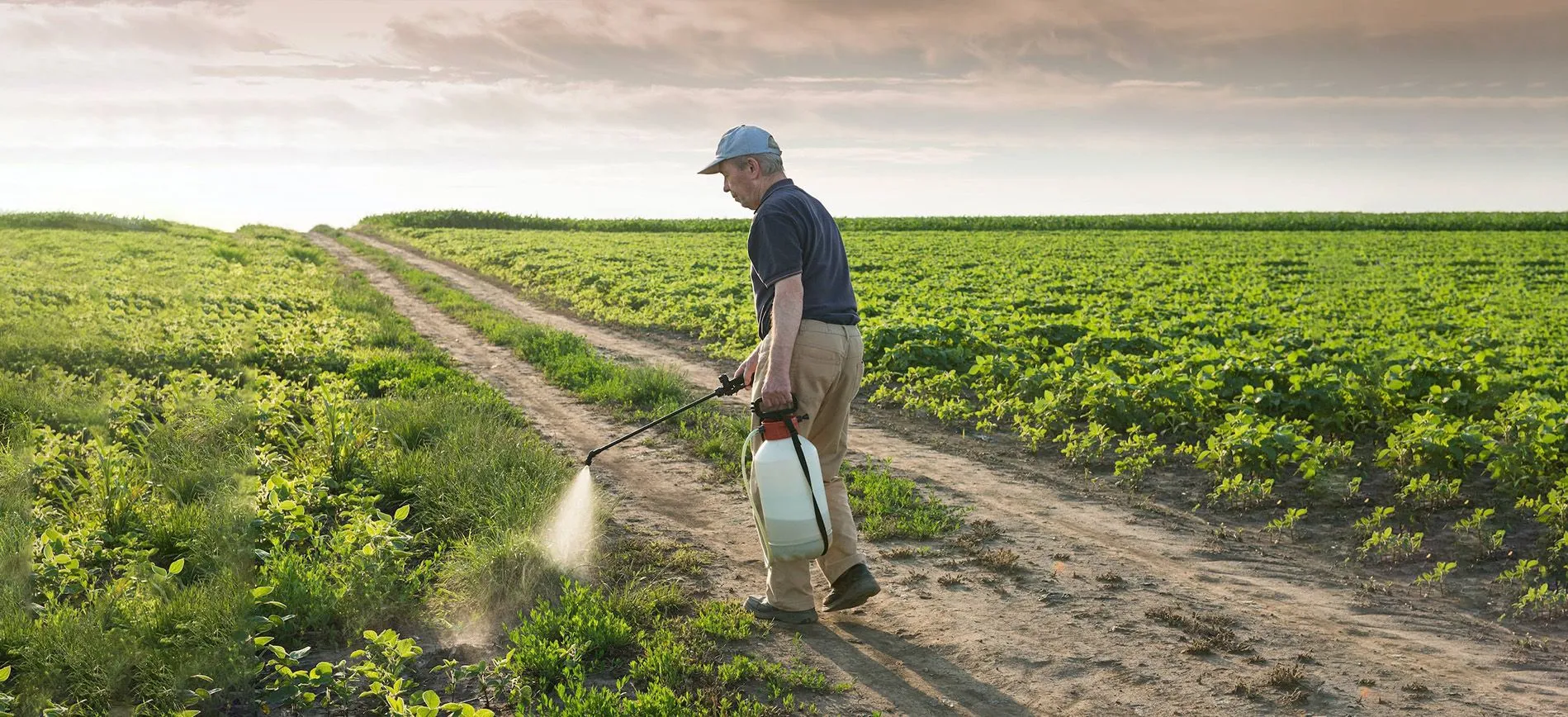
Climate change is increasingly affecting agriculture across the globe, and Africa is no exception. In many parts of the continent, farmers are facing prolonged droughts and unpredictable rainfall patterns that threaten crop production. As a result, food insecurity is becoming a growing concern, particularly in regions that rely heavily on rain-fed agriculture. To address these challenges, drought-tolerant crops have emerged as a viable solution to help farmers adapt to changing climate conditions.
Drought-tolerant crops are varieties that can withstand prolonged periods of water scarcity, providing a reliable source of food and income for farmers even in the face of adverse climatic conditions. By integrating these crops into their farming practices, African farmers can not only improve their yields but also reduce their vulnerability to climate-related risks.
What Are Drought-Tolerant Crops?
Drought-tolerant crops are genetically modified or naturally bred varieties that have the ability to survive with minimal water. These crops have developed unique physiological traits that allow them to conserve water, maintain healthy growth, and produce viable yields under dry conditions. Some common drought-tolerant crops include:
- Sorghum: A staple in many African countries, sorghum is highly drought-resistant and can thrive in hot, dry climates.
- Millet: Like sorghum, millet is another crop well-suited to arid environments, offering high nutritional value and resilience.
- Cowpeas: Known for their ability to grow in poor soils and withstand drought, cowpeas are a vital legume in African farming systems.
- Maize: Certain drought-resistant maize varieties are being developed to cope with water stress and provide higher yields in dry conditions.
- Cassava: While cassava is typically grown in humid regions, it also shows drought resistance due to its deep-root system, making it a valuable crop in water-scarce areas.
The Role of Drought-Tolerant Crops in Africa
- Improved Food Security
Drought-tolerant crops play a crucial role in ensuring food security in regions prone to droughts. These crops provide reliable yields even during dry seasons, reducing the risk of crop failure and food shortages. By growing drought-resistant crops, farmers can ensure a steady supply of food for their communities, even in challenging climatic conditions. - Reduced Dependence on Irrigation
Many African farmers rely on rain-fed agriculture, and the lack of reliable rainfall is a major barrier to successful crop production. Drought-tolerant crops require less water, reducing the need for expensive irrigation systems. This makes them an affordable option for smallholder farmers who may not have access to irrigation infrastructure. - Increased Resilience to Climate Change
As climate change continues to disrupt weather patterns, drought-tolerant crops offer a way for farmers to adapt and build resilience. These crops are designed to thrive in hot, dry environments, making them ideal for regions experiencing changing rainfall patterns, rising temperatures, and more frequent droughts. By adopting drought-tolerant crops, farmers can protect their livelihoods and safeguard food production against climate variability. - Enhanced Soil Health
Some drought-tolerant crops, such as legumes, can also improve soil health by fixing nitrogen and reducing soil degradation. This is particularly important in regions where soil fertility is a challenge. By growing these crops, farmers can enhance soil fertility and improve the long-term sustainability of their farming systems.
Benefits of Drought-Tolerant Crops for African Farmers
- Economic Stability
Drought-tolerant crops help farmers maintain consistent income by reducing crop losses caused by droughts. Farmers who grow these crops are less likely to experience complete crop failure, which can have devastating economic consequences. Additionally, the ability to harvest crops even in dry seasons provides a stable source of food and income throughout the year. - Environmental Sustainability
By requiring less water, drought-tolerant crops contribute to environmental sustainability by conserving precious water resources. This is especially critical in regions where water scarcity is a pressing issue. The adoption of these crops helps protect local ecosystems and reduces the strain on freshwater sources. - Better Livelihoods for Smallholder Farmers
Many smallholder farmers in Africa face significant challenges due to limited resources and access to irrigation. Drought-tolerant crops offer an affordable solution that requires minimal investment in infrastructure. This makes them an attractive option for farmers who may not have access to modern farming technologies or expensive irrigation systems.
Challenges in Implementing Drought-Tolerant Crops
While drought-tolerant crops offer significant benefits, their widespread adoption in Africa faces several challenges:
- Limited Access to Quality Seeds
In many regions, farmers lack access to quality drought-resistant seeds. Local seed banks, government programs, and agricultural organizations can play a crucial role in making these seeds available to farmers. - Knowledge and Training
Farmers need proper training on how to grow and manage drought-tolerant crops effectively. Extension services, workshops, and agricultural education programs are essential in equipping farmers with the knowledge and skills needed to succeed with these crops. - Market Access
Even if farmers can successfully grow drought-tolerant crops, they may struggle to access markets where they can sell their produce. Building robust supply chains and improving market access for smallholder farmers are key to ensuring the success of drought-tolerant crops in Africa.
Case Studies: Success Stories from Africa
Several African countries have already begun to see the benefits of drought-tolerant crops:
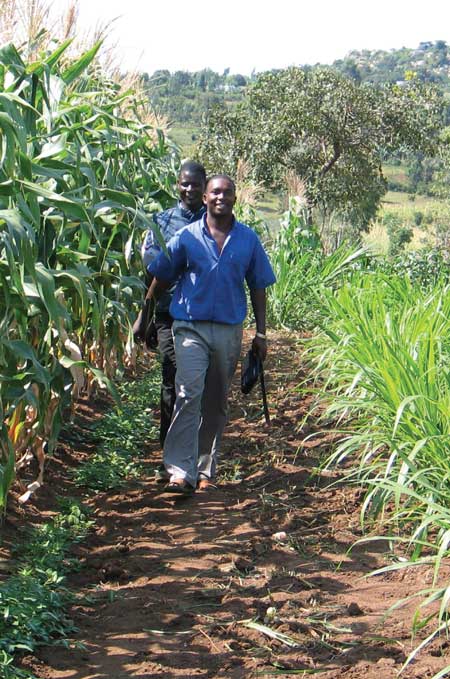
- Kenya: Kenyan farmers are increasingly adopting drought-resistant maize varieties, which have significantly improved yields during dry seasons.
- Ethiopia: In Ethiopia, the introduction of drought-tolerant sorghum has helped farmers maintain food security despite changing rainfall patterns.
- Nigeria: Nigerian farmers have successfully integrated drought-resistant cowpeas into their farming systems, leading to improved crop production and income.
Conclusion: A Path Toward Sustainable Agriculture
Drought-tolerant crops are proving to be a vital solution for African farmers facing the impacts of climate change. These crops offer a sustainable way to ensure food security, enhance resilience to droughts, and improve farmers’ livelihoods. However, to maximize the potential of drought-tolerant crops, governments, NGOs, and agricultural organizations must work together to ensure that farmers have access to the right seeds, training, and market opportunities. With the right support, drought-tolerant crops could play a pivotal role in securing Africa’s agricultural future.