West Africa is home to a rapidly growing agricultural sector that is crucial to the region’s economy. Agriculture provides employment to a significant portion of the population, contributing to food security, rural development, and trade. In 2026, the sector is evolving with the rise of new technologies, changing consumer demands, and increasing global trade. Despite challenges like climate change, inadequate infrastructure, and access to finance, there are several opportunities for growth and innovation in West African agriculture. This article explores the key trends and opportunities shaping agriculture in West Africa and how businesses, farmers, and governments can capitalize on them.
1. Overview of Agriculture in West Africa
Agriculture is the backbone of West Africa’s economy, employing over 60% of the region’s labor force. The region is known for producing a variety of staple crops, including maize, rice, cassava, yams, and millet, as well as cash crops such as cocoa, coffee, cotton, and palm oil. The agricultural sector also supports livestock farming, including cattle, sheep, goats, and poultry.
In 2026, West Africa continues to face a dual challenge of increasing agricultural productivity while ensuring sustainable practices. While much of the region’s farming is still done using traditional methods, the introduction of new technologies and innovations is gradually transforming the agricultural landscape.
2. Key Trends in West African Agriculture
a. Increasing Investment in AgTech
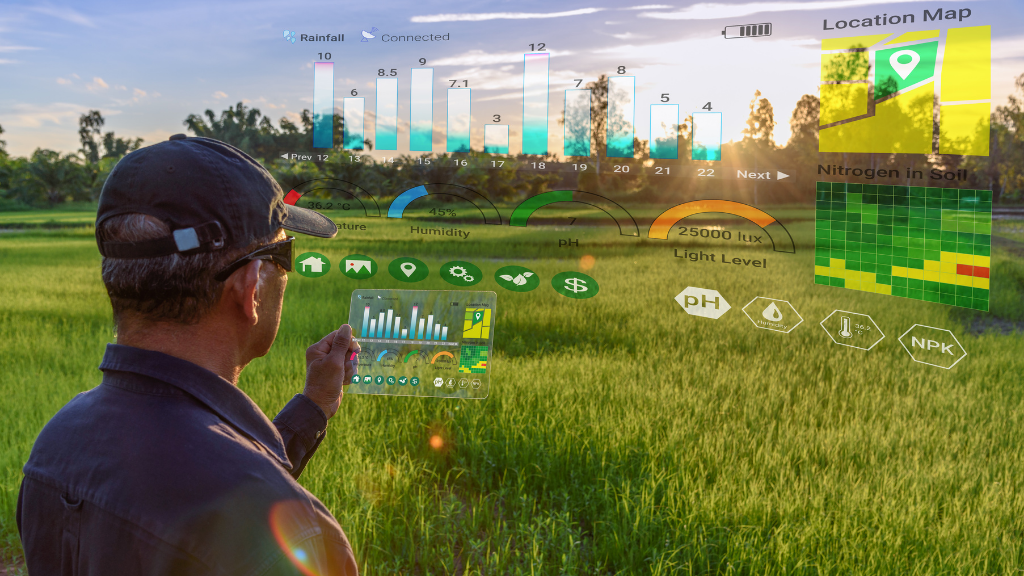
One of the most exciting developments in West African agriculture is the rise of agricultural technology (AgTech). Digital tools and innovations, such as precision farming, mobile apps for weather forecasting, and blockchain for traceability, are improving efficiency, productivity, and market access for farmers. These technologies enable farmers to make data-driven decisions that reduce costs, increase yields, and minimize the environmental impact.
For instance, drones are being used for crop monitoring, and satellite technology allows for better soil analysis and irrigation management. Startups in West Africa are also using mobile platforms to connect farmers with buyers and suppliers, enabling more direct transactions and reducing the reliance on intermediaries.
b. Expansion of Export Markets
In 2026, West Africa’s agricultural exports are showing significant growth, particularly in cash crops like cocoa, coffee, and palm oil. The region is the world’s largest producer of cocoa, with countries such as Côte d’Ivoire and Ghana dominating the global market. Similarly, Nigeria and other countries are increasing their palm oil production for export.
West African nations are actively working to expand their agricultural export markets by focusing on quality, sustainability, and certifications such as Fair Trade and organic farming. These certifications allow producers to access premium markets and meet international standards, boosting their global competitiveness.
The implementation of regional trade agreements such as the African Continental Free Trade Area (AfCFTA) is also facilitating the growth of intra-Africa trade, reducing barriers to market entry, and increasing the movement of agricultural products across the continent.
c. Focus on Sustainable Agriculture
As climate change continues to affect agricultural productivity, there is a growing focus on sustainable farming practices in West Africa. Farmers are adopting climate-smart agriculture techniques, including drought-resistant crops, agroforestry, and water-efficient irrigation systems. These practices help to increase yields while minimizing the environmental impact of farming.
In countries like Senegal and Ghana, there has been a significant push toward organic farming, which not only helps preserve the environment but also meets the growing demand for organic produce in international markets. Sustainable practices also enhance food security and contribute to long-term agricultural productivity.
d. Increased Support for Smallholder Farmers
Smallholder farmers are the backbone of West African agriculture, and their support is critical for the sector’s growth. In 2026, governments, non-governmental organizations (NGOs), and international partners are increasingly focusing on providing resources, training, and financing to these farmers. Programs that offer access to high-quality seeds, fertilizers, and modern farming equipment are helping smallholders increase their productivity.
In addition, initiatives aimed at improving land tenure, providing microfinance options, and supporting farmer cooperatives are creating more opportunities for smallholder farmers to access markets and improve their livelihoods. These efforts are expected to enhance rural development and reduce poverty in the region.
3. Opportunities in West African Agriculture
a. Agribusiness and Value Addition
While West Africa is a major producer of agricultural commodities, much of the raw produce is exported without value addition. There is significant potential for agribusinesses to add value to agricultural products by processing them locally. For example, instead of exporting raw cocoa beans, businesses can invest in cocoa processing to produce chocolate and other cocoa-based products.
Similarly, there are opportunities in the processing of fruits, vegetables, and grains, which can be packaged and sold in both local and international markets. By investing in agro-processing, businesses can create jobs, reduce post-harvest losses, and increase the value derived from agricultural products.
b. Livestock Farming and Poultry Production
Livestock farming is another promising area of opportunity in West African agriculture. With a growing population and increasing demand for protein, there is potential for expanding the production of beef, poultry, and dairy products. Countries like Nigeria, Mali, and Burkina Faso are investing in improving animal husbandry, genetics, and feed production to boost livestock productivity.
Poultry farming, in particular, has seen rapid growth, with small and medium-scale poultry operations meeting the rising demand for eggs and chicken meat. Investment in biosecurity measures, disease prevention, and feed efficiency will be key to the future growth of the sector.
c. Aquaculture and Fish Farming
Aquaculture is emerging as a significant opportunity in West African agriculture, given the region’s growing demand for fish and seafood. Overfishing and declining fish stocks in the oceans have increased the demand for farmed fish, and countries like Nigeria, Ghana, and Senegal are investing in fish farming to meet this need.
Fish farming, particularly tilapia and catfish, presents a lucrative business opportunity, as the industry is still in its early stages and has substantial room for expansion. The establishment of fish hatcheries, improved feed quality, and sustainable farming practices are expected to drive growth in this sector.
d. Renewable Energy in Agriculture
The use of renewable energy in agriculture is becoming more popular as part of efforts to make the sector more sustainable. Solar energy, in particular, is being used to power irrigation systems, drying processes, and other agricultural activities. By reducing reliance on fossil fuels, renewable energy solutions can help lower operating costs and improve the environmental footprint of farming operations.
4. Challenges Facing Agriculture in West Africa
Despite the significant opportunities, West African agriculture faces a number of challenges:
- Climate Change: Droughts, floods, and erratic rainfall patterns are disrupting crop production and threatening food security.
- Infrastructure Gaps: Poor road networks, limited storage facilities, and inadequate market access hinder the efficiency of the agricultural value chain.
- Access to Financing: Many farmers and agribusinesses struggle to secure funding for investments in modern farming technologies, equipment, and infrastructure.
Addressing these challenges requires collaborative efforts from governments, businesses, and development organizations to improve infrastructure, promote sustainable practices, and support smallholder farmers.
5. Conclusion: A Bright Future for West African Agriculture
Agriculture in West Africa is poised for growth in 2026, with new trends and opportunities emerging in various sectors, from AgTech and livestock farming to agribusiness and value addition. While challenges remain, the region has the potential to unlock significant economic growth through innovation, sustainability, and improved market access. By capitalizing on these opportunities and addressing key challenges, West Africa can become a global leader in agricultural production and value addition, improving food security and contributing to the region’s overall development.