UK Restaurants Struggle as rising prices and falling disposable incomes reshape Britain’s dining culture. Across the country, meals out have shifted from routine leisure to occasional indulgence. Consequently, both customers and owners now operate under tighter financial limits.
For James Deegan, a 27-year-old carer from Crewe, the change feels immediate. His favourite grilled chicken burger once cost £12. Today, it costs £18. With a drink added, the total rises quickly. Therefore, he now eats out only a few times each month.
James says he must budget carefully to cover essentials. As a result, small pleasures require deliberate planning. During particularly strained periods, he relied on a food bank. Although he continues working full time, social outings demand strict financial discipline.
Dining Habits Shift as UK Restaurants Struggle
Industry data confirms these personal stories reflect a wider trend. Hospitality Market Monitor reports that UK restaurants fell from 43,000 in December 2019 to 35,500 in December 2025. That marks a decline of nearly one fifth.
Meanwhile, YouGov research shows 38% of Britons eat out less frequently than a year ago. Among them, 63% cite higher menu prices. Additionally, 62% blame the broader cost-of-living pressures. Clearly, consumer caution plays a central role.
Owners face a double challenge. On one hand, customers reduce spending. On the other, operating expenses continue rising. Energy, wages, rent, food supplies, and taxes all increased. Even after raising prices, margins remain tight.
Rising Costs Intensify Pressure
Petrit Velaj, owner of Rozafa in Manchester, describes the strain in practical terms. For every £100 his restaurant earns, about £55 goes toward taxes. The remaining amount must cover utilities, rent, ingredients, and staff wages.

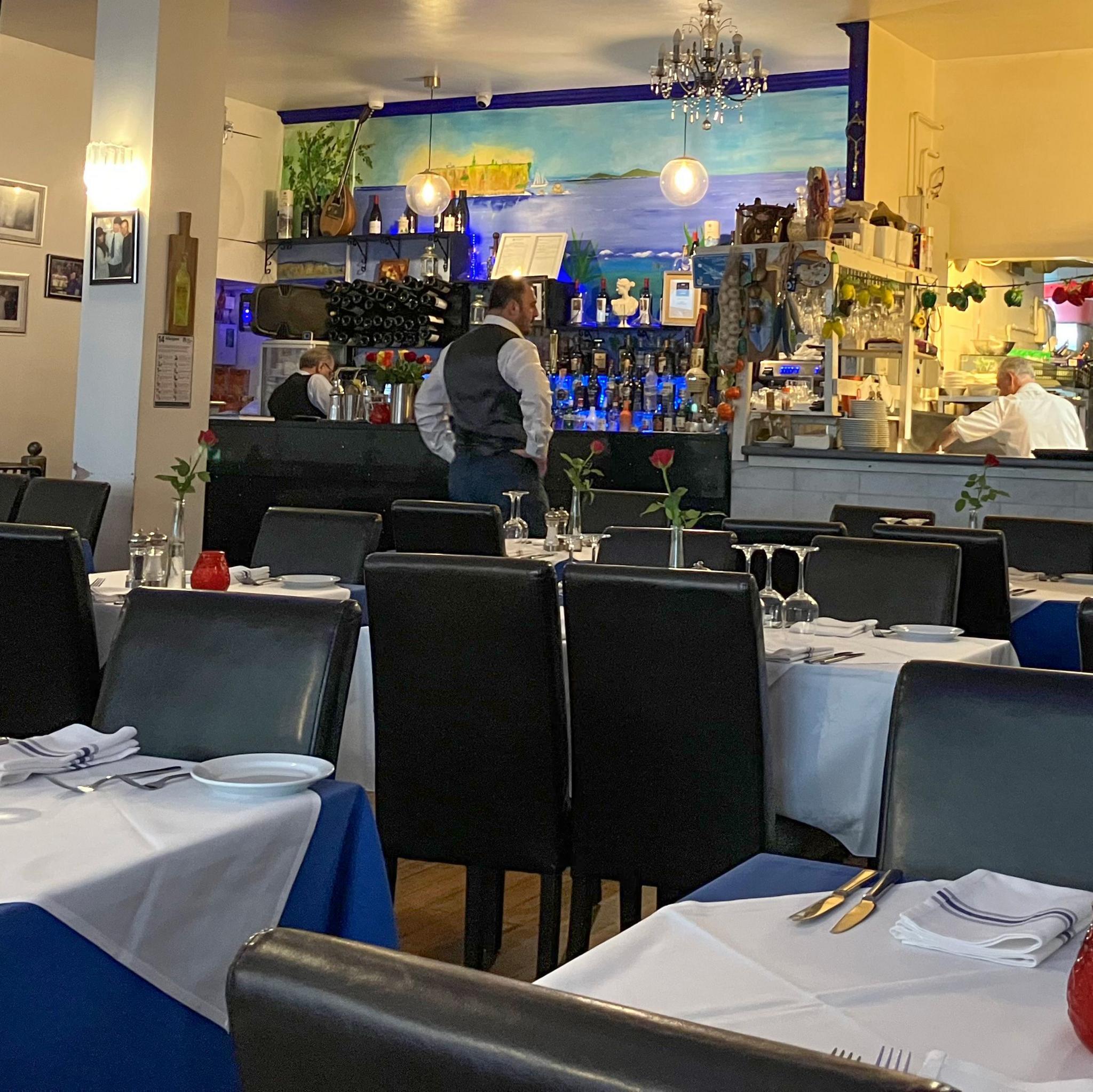

Caption: Interior and owner of Rozafa Greek restaurant in Manchester city centre.
Petrit employs 18 staff across two locations. Some have worked with him for 20 years. However, during tight months, he sometimes pays employees before himself. He says business rates and National Insurance increases have added to the burden.
Industry leaders echo these concerns. Celebrity chef Gordon Ramsay warned that restaurants face severe financial stress. Although the government announced targeted support for pubs, many restaurateurs argue restaurants need similar relief.
Kate Nicholls, chair of UK Hospitality, stresses the sector’s importance. Restaurants attract visitors to high streets. They generate jobs and stimulate surrounding shops. Therefore, closures affect entire communities.
Families Adapt to Higher Bills
Even households with stronger incomes have adjusted. Vicki Broadbent, a children’s author in Harrogate, still dines out weekly with her family. Nevertheless, she and her husband now skip starters and desserts. Alcoholic drinks appear only on special occasions.

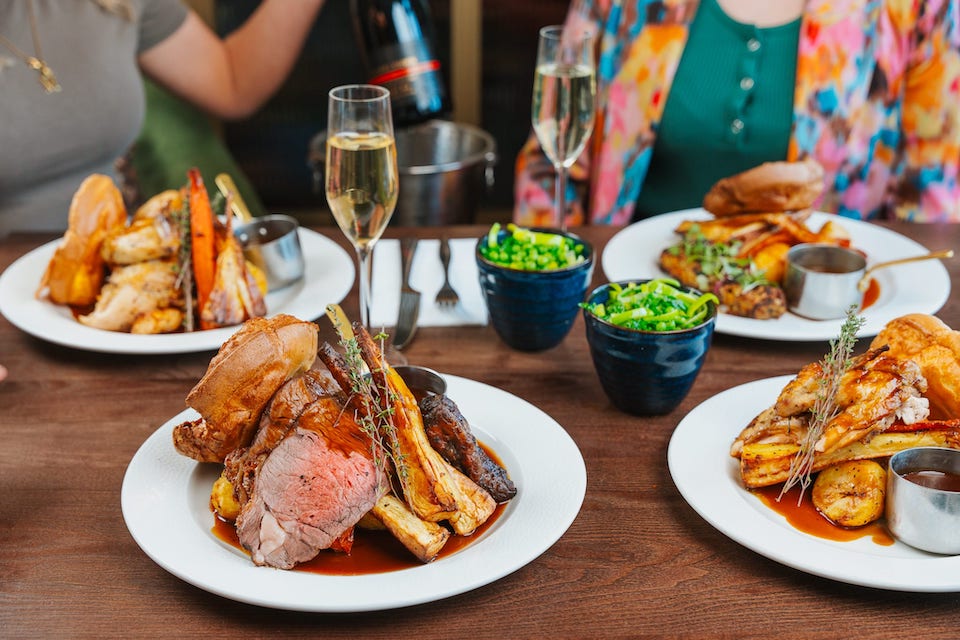
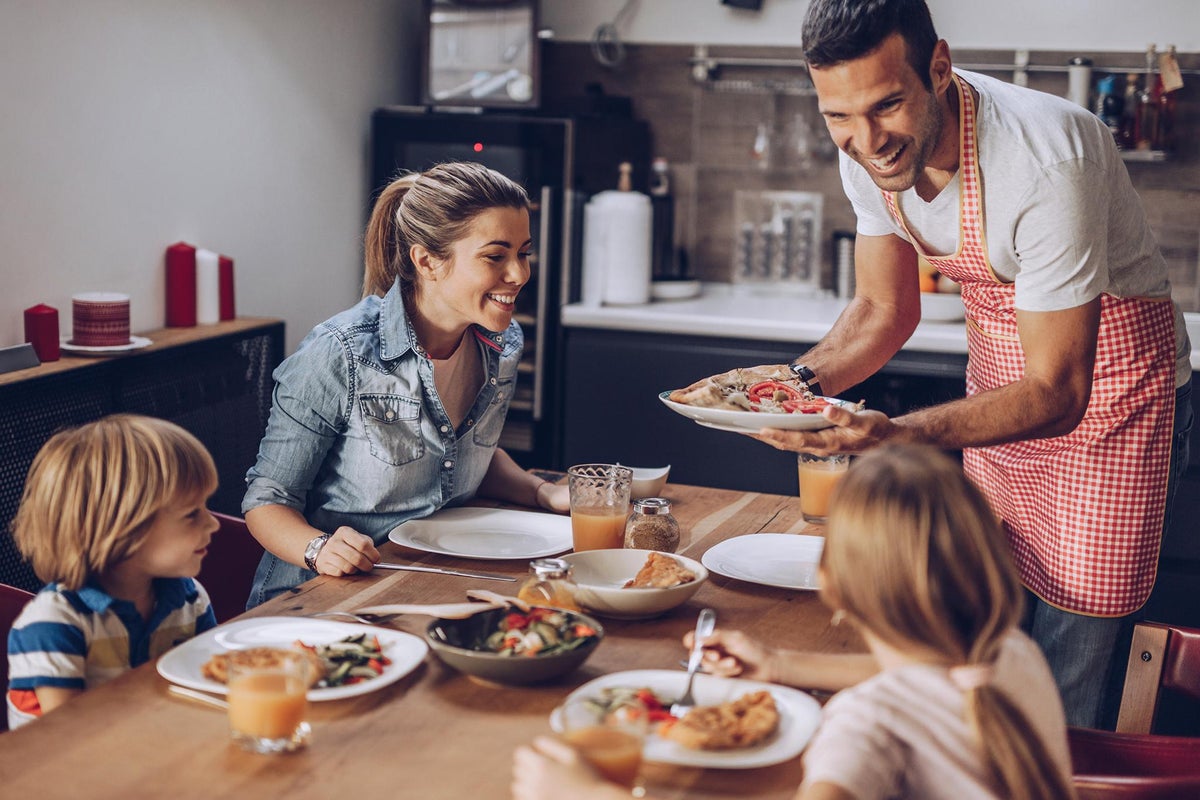
Caption: A family dining out in a UK restaurant as households adjust spending habits.
Her teenage sons now require adult portions, which increases the total bill. Consequently, the family sometimes chooses takeaway instead. Yet Vicki notes portions often feel smaller than before. That reduces perceived value.
According to YouGov’s consumer research head Sarika Rana, nearly half of diners changed behaviour to save money. Many seek discounts or choose cheaper venues. Others order fewer courses. These adjustments show how UK Restaurants Struggle within a broader consumer shift.
Read Also
Travelers Uses AI to Revolutionize Claims and Underwriting Efficiency
Saks Global to Close
Gold and Silver Prices
US TikTok Deal
Economic Headwinds Continue
The pressure on hospitality reflects wider economic uncertainty. Retail closures and market fluctuations shape consumer confidence. As inflation persists, discretionary spending remains constrained.
For independent owners like Petrit, the question concerns sustainability. He values cultural exchange and community gatherings. Greek music nights at Rozafa attract diverse audiences. However, viability depends on stable cash flow.
Meanwhile, diners like James still value the experience of eating out. After demanding work caring for autistic people, he sees restaurant visits as a mental reset. Yet each outing requires planning and sacrifice.
Across Britain, the pattern remains consistent. UK Restaurants Struggle as customers trim budgets and operators face higher fixed costs. Unless conditions ease, further consolidation may follow. For now, both sides navigate a difficult balance between affordability and survival.