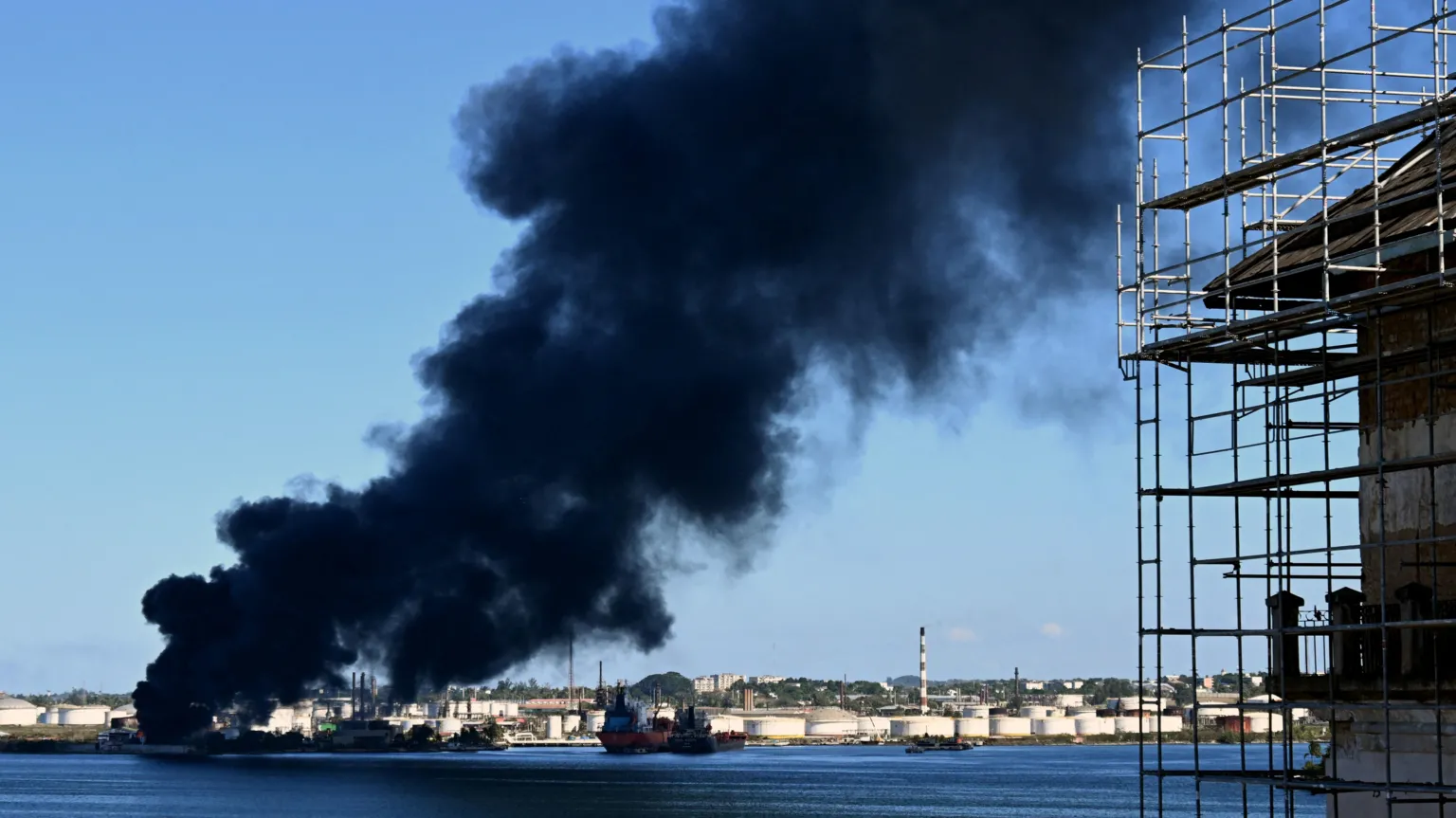
Cuba Oil Refinery Fire was brought under control quickly on Friday after thick black smoke rose above Havana’s skyline. The blaze erupted at the Ñico López Refinery in the Cuban capital, alarming residents and raising fresh concerns about energy stability.
Authorities confirmed no injuries and launched an investigation into the cause. The fire broke out near two oil tankers moored in Havana Bay. Emergency crews responded swiftly, preventing the flames from spreading to critical storage areas. Officials from the energy ministry stated the situation was contained within hours.
The incident comes at a delicate time for the island. Cuba faces mounting supply disruptions linked to reduced oil imports and ongoing economic restrictions. Although the fire was limited in scope, it highlighted vulnerabilities in the country’s energy infrastructure.
Cuba Oil Refinery Fire and Immediate Response
Firefighters worked rapidly to extinguish the blaze, limiting damage to operational units. Black smoke was visible across parts of Havana, but refinery systems continued functioning in certain areas. Officials stressed that safety measures prevented escalation.
Investigators are examining potential technical faults and environmental factors. Meanwhile, authorities reassured residents that fuel distribution would not face immediate additional disruption. However, broader supply issues remain unresolved.
The refinery plays a key role in domestic fuel processing. Therefore, any operational threat raises concerns about electricity generation and transportation stability. In recent months, Cuba has already experienced intermittent power cuts.
Fuel Shortages Deepen Across the Island
The Cuba Oil Refinery Fire unfolded against a backdrop of worsening fuel shortages. Supply constraints intensified after the United States restricted Venezuelan oil shipments to Cuba. Venezuela previously supplied significant volumes of crude daily to the island.
Following political developments in Caracas earlier this year, US authorities seized Venezuelan tankers and tightened sanctions. Consequently, oil flows declined sharply. Washington also warned of tariffs on countries that sell oil to Cuba.
As a result, rationing measures expanded nationwide. Authorities scaled back public transport schedules and reduced government service hours. Hospitals and dialysis centres have faced power interruptions during peak shortages.
Read Also
Travelers Uses AI to Revolutionize Claims and Underwriting Efficiency
Saks Global to Close
Gold and Silver Prices
US TikTok Deal
Impact on Aviation and Public Services
Cuba’s aviation sector also struggles due to limited jet fuel availability. Several airlines suspended routes to the island, citing refuelling constraints. Additionally, some governments issued travel advisories urging caution over essential services.
The United Kingdom’s Foreign Office warned that authorities introduced fuel rationing and temporary adjustments across healthcare, education and tourism. These measures aim to conserve energy supplies but have disrupted daily routines.
Electricity outages have affected water pumping stations and refrigeration systems. Consequently, residents face uncertainty over food storage and access to clean water. Local businesses also report operating at reduced capacity.
International Reactions and Aid Efforts
United Nations human rights experts described US oil restrictions as an extreme form of unilateral economic pressure. UN human rights chief Volker Türk expressed concern about humanitarian consequences tied to supply disruptions.
Amid tightening conditions, two Mexican ships carrying 800 tonnes of humanitarian aid arrived in Havana Bay. The cargo included essential goods intended to ease shortages affecting vulnerable communities.
Cuba has faced US economic and trade embargoes since 1960. However, the latest energy constraints add new strain to an already fragile system. Officials continue diplomatic engagement while seeking alternative suppliers.
Economic and Social Strain
The Cuba Oil Refinery Fire symbolised broader economic challenges. Although contained quickly, it underscored dependence on limited energy sources. Businesses reliant on consistent electricity face ongoing risk.
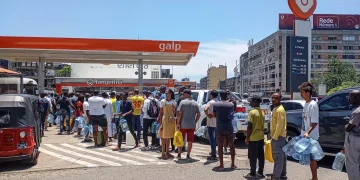
Residents describe longer queues at petrol stations and reduced availability of cooking gas. Transport disruptions have slowed economic activity. Meanwhile, inflationary pressures compound the hardship.
Government representatives insist they are exploring diversified energy partnerships. Yet logistical hurdles and financial constraints complicate swift solutions. Analysts note that infrastructure maintenance remains critical to avoid further incidents.
As investigations continue, attention turns to long term resilience. While the immediate danger has passed, Cuba Oil Refinery Fire has highlighted the fragility of supply chains during an escalating fuel crisis.