South Africa’s agricultural sector is one of the most diverse and advanced in Africa. The country is a major producer of crops like maize, wheat, citrus fruits, and grapes, and its agricultural export market plays a vital role in the global economy. However, the sector faces a range of challenges, from climate change to market access and land reform issues. In 2026, South African agriculture is experiencing significant trends that reflect both the opportunities and challenges it faces. This article delves into the key trends shaping the future of South African agriculture, offering insights into technological innovation, sustainability, and the economic factors driving growth.
1. The Role of Agriculture in South Africa’s Economy
Agriculture remains a critical component of South Africa’s economy, contributing approximately 2.5% to GDP and employing millions of people, especially in rural areas. The sector is also a key player in export markets, with South Africa being a major exporter of wine, citrus, and maize. Additionally, the agriculture sector supports related industries such as agro-processing, packaging, and logistics.
In 2026, South African agriculture continues to be integral to economic development, providing both food security and livelihoods for the country’s population. However, the sector’s growth is increasingly influenced by global trends, including the demand for sustainable farming practices, technological advancements, and shifting consumer preferences.
2. Technological Advancements in Farming
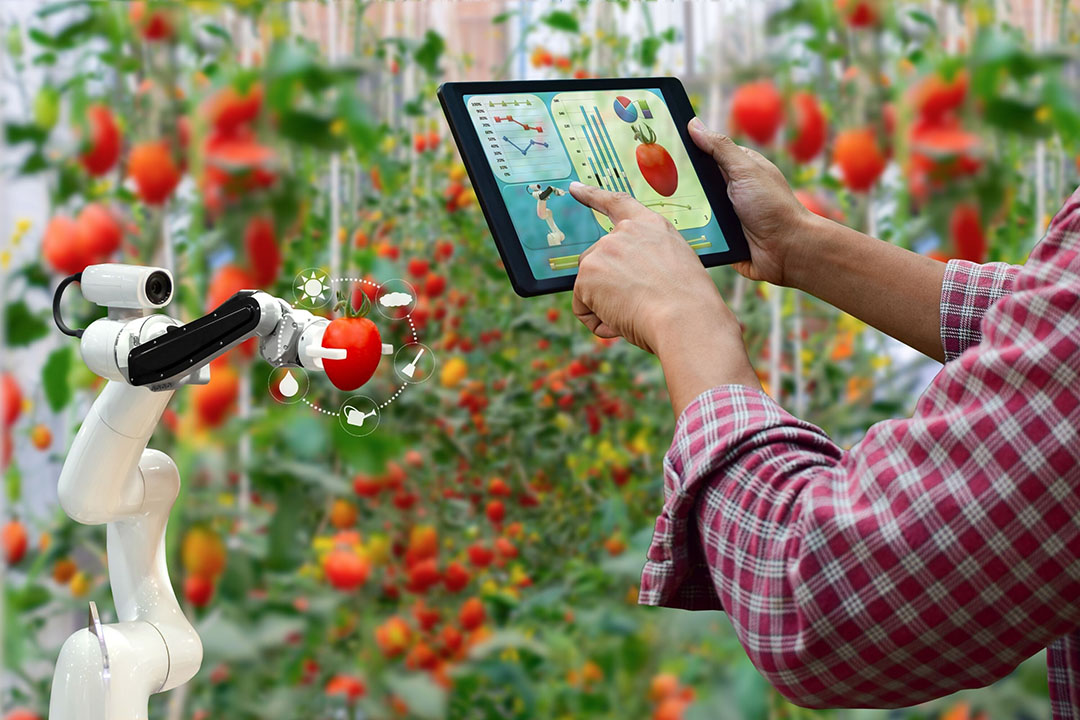
The adoption of new technologies is one of the most significant trends in South African agriculture. In recent years, South Africa has seen rapid growth in the use of precision farming, smart irrigation systems, drones, and artificial intelligence (AI). These innovations are helping farmers optimize their production processes, conserve resources, and improve yields.
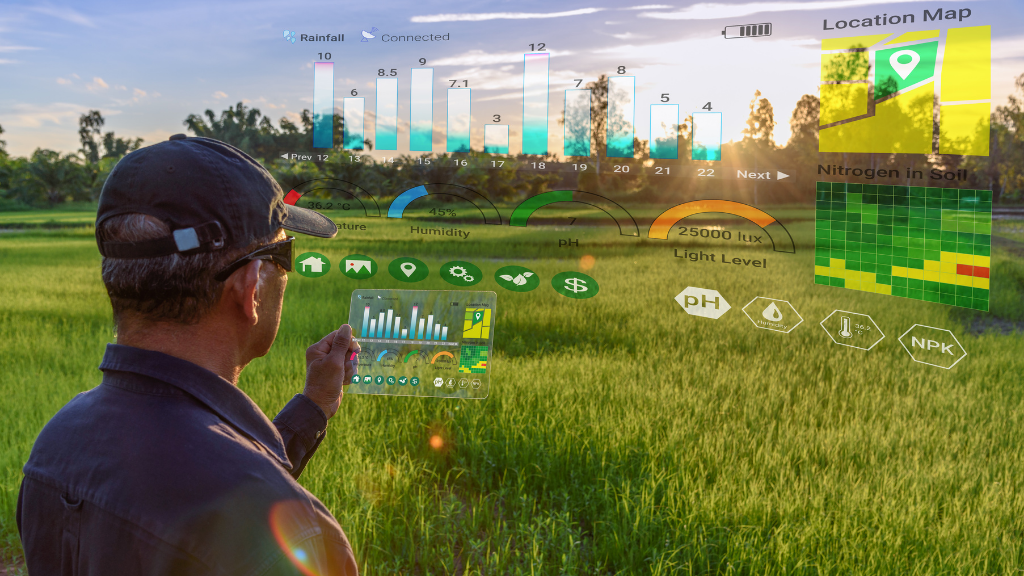
a. Precision Farming: Precision farming involves using GPS, sensors, and data analytics to monitor and manage crops. By collecting detailed data on soil moisture, temperature, and nutrient levels, farmers can make more informed decisions about planting, irrigation, and fertilization. This helps maximize crop productivity while reducing waste and environmental impact.
b. Smart Irrigation Systems: Water scarcity is one of South Africa’s most pressing challenges, especially in the agricultural sector. To address this, farmers are increasingly turning to smart irrigation systems that use sensors to monitor soil moisture levels and weather patterns, ensuring that crops receive the right amount of water at the right time. These systems not only save water but also reduce the costs associated with irrigation.
c. Drones and AI: Drones are being used for aerial monitoring of crops, providing farmers with real-time data on crop health and pest infestations. AI is also being integrated into farming systems to predict crop yields, optimize harvesting times, and detect diseases early. These technologies are making South African agriculture more efficient and resilient to external shocks.
3. Sustainability and Climate-Smart Agriculture
As climate change continues to affect global weather patterns, sustainable farming practices are gaining prominence in South African agriculture. The country is increasingly adopting climate-smart agriculture techniques that focus on increasing productivity while minimizing the environmental impact.
a. Conservation Agriculture: Conservation agriculture is a growing trend in South Africa, particularly among smallholder farmers. This approach focuses on minimizing soil disturbance, maintaining soil cover, and rotating crops to improve soil fertility. By adopting conservation practices, farmers can enhance soil health, increase water retention, and reduce the risk of erosion.
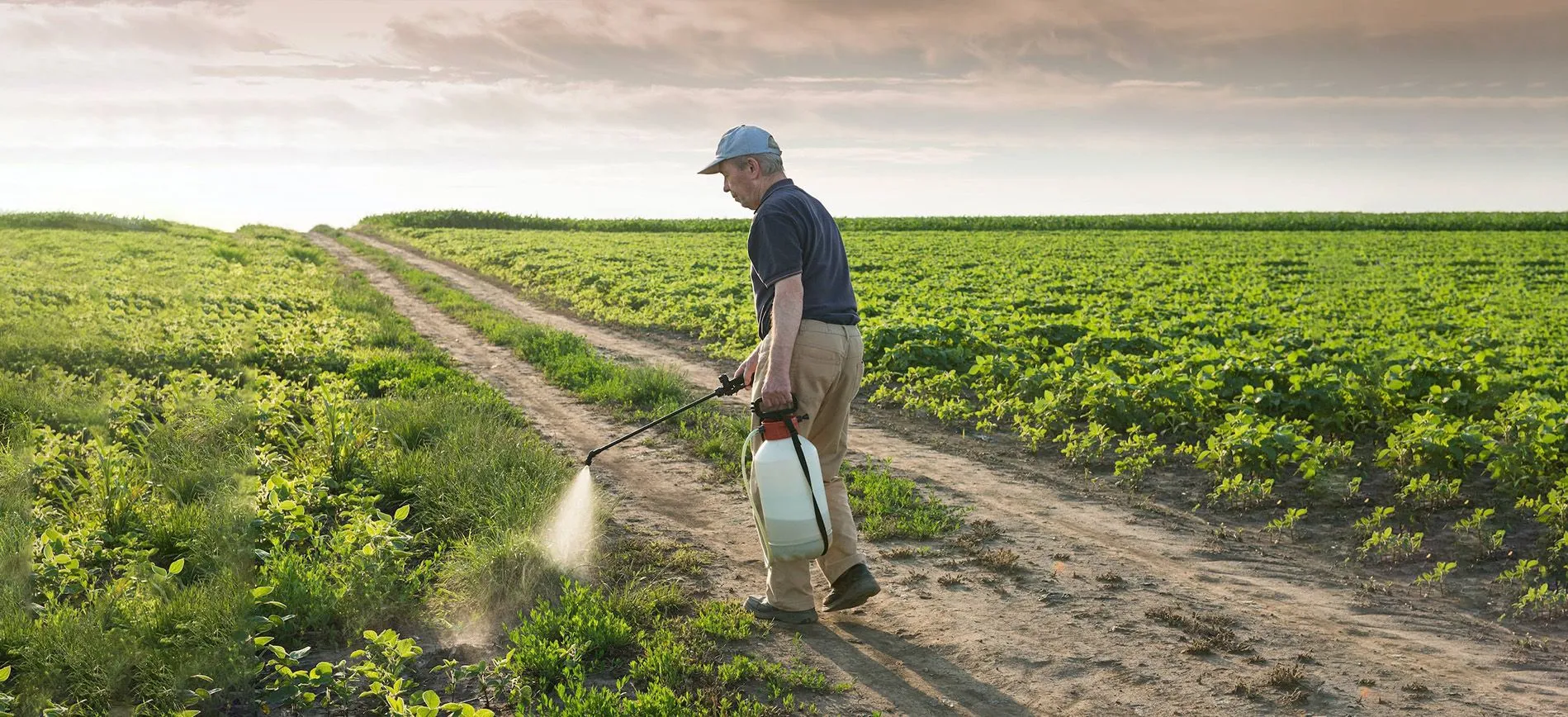
b. Organic Farming: The demand for organic products is rising, both locally and internationally. South African farmers are responding to this demand by shifting towards organic farming practices, which exclude synthetic fertilizers and pesticides. Organic farming is seen as a sustainable alternative that benefits both the environment and consumers who are increasingly concerned about food safety and environmental issues.
c. Renewable Energy: In 2026, the use of renewable energy sources, such as solar and wind power, is becoming more common in the agricultural sector. These energy sources are helping to reduce the carbon footprint of farming operations and provide farmers with a more sustainable and cost-effective way to power irrigation systems, processing plants, and other agricultural activities.
4. Addressing Land Reform and Agricultural Inequality
Land reform remains a sensitive and critical issue in South Africa, with the government working towards addressing historical land ownership imbalances. In 2026, land reform efforts are focused on redistributing land to previously disadvantaged communities and supporting small-scale farmers to gain access to land, capital, and resources.
While land redistribution has the potential to address inequality and boost food production, the process remains complex and fraught with challenges. In many cases, smallholder farmers lack access to the financial resources and technical support necessary to succeed. The government and private sector are working together to provide land reform beneficiaries with training, access to markets, and the tools they need to succeed in commercial agriculture.
5. Export Market Trends and Global Demand
South Africa’s agricultural export sector is an essential part of its economy, with key exports including citrus, wine, grapes, maize, and wool. In 2026, the global demand for South African agricultural products continues to grow, especially in emerging markets such as Asia and the Middle East. The country’s reputation for producing high-quality products, such as wines and citrus fruits, gives it a competitive edge in these markets.
a. Exporting Wine and Citrus: South Africa is one of the world’s top wine producers, and its wine industry is experiencing significant growth. In 2026, the demand for South African wines in international markets continues to rise, particularly in the United States, the United Kingdom, and China. Similarly, citrus fruits, particularly oranges, remain a key export, with rising demand from Europe and the Middle East.
b. Emerging Markets: In response to global trade shifts, South Africa is increasingly focusing on emerging markets for its agricultural exports. The country has been building trade partnerships with countries in Africa, Asia, and the Middle East, diversifying its export markets and reducing dependence on traditional trading partners.
6. Challenges Facing South African Agriculture
Despite the opportunities, South African agriculture faces several challenges that must be addressed for the sector to remain competitive and sustainable:
- Climate Change: Extreme weather events such as droughts, floods, and temperature fluctuations continue to threaten crop yields and livestock productivity.
- Water Scarcity: Water availability remains a significant concern, especially in arid regions of the country. Efficient water management practices are crucial for maintaining agricultural productivity.
- Labor Shortages: The agriculture sector relies heavily on labor, but there is a growing shortage of skilled workers. Training programs and labor-saving technologies are essential to address this issue.
7. Conclusion: A Promising Future for South African Agriculture
South African agriculture in 2026 is marked by innovation, sustainability, and growing global demand. With the adoption of modern farming techniques, a focus on climate-smart practices, and expanding export markets, the future of South African agriculture looks bright. However, addressing challenges such as land reform, water scarcity, and labor shortages will require ongoing investment and cooperation from the government, private sector, and farmers themselves.
By embracing these trends and opportunities, South Africa’s agricultural sector can continue to grow and thrive, contributing to the country’s economic development and global food security.