Cyclone Gezani has left a trail of destruction across Madagascar and Mozambique, killing dozens and displacing thousands as communities struggle to recover from one of the region’s most powerful storms this year. The deadly cyclone dominates today’s major headlines across Africa, alongside outrage in South Africa over the dashcam killing of an e hailing driver and escalating security crises in parts of West Africa.
Here is a closer look at the biggest stories shaping the continent.
Cyclone Gezani Death Toll Climbs in Madagascar and Mozambique
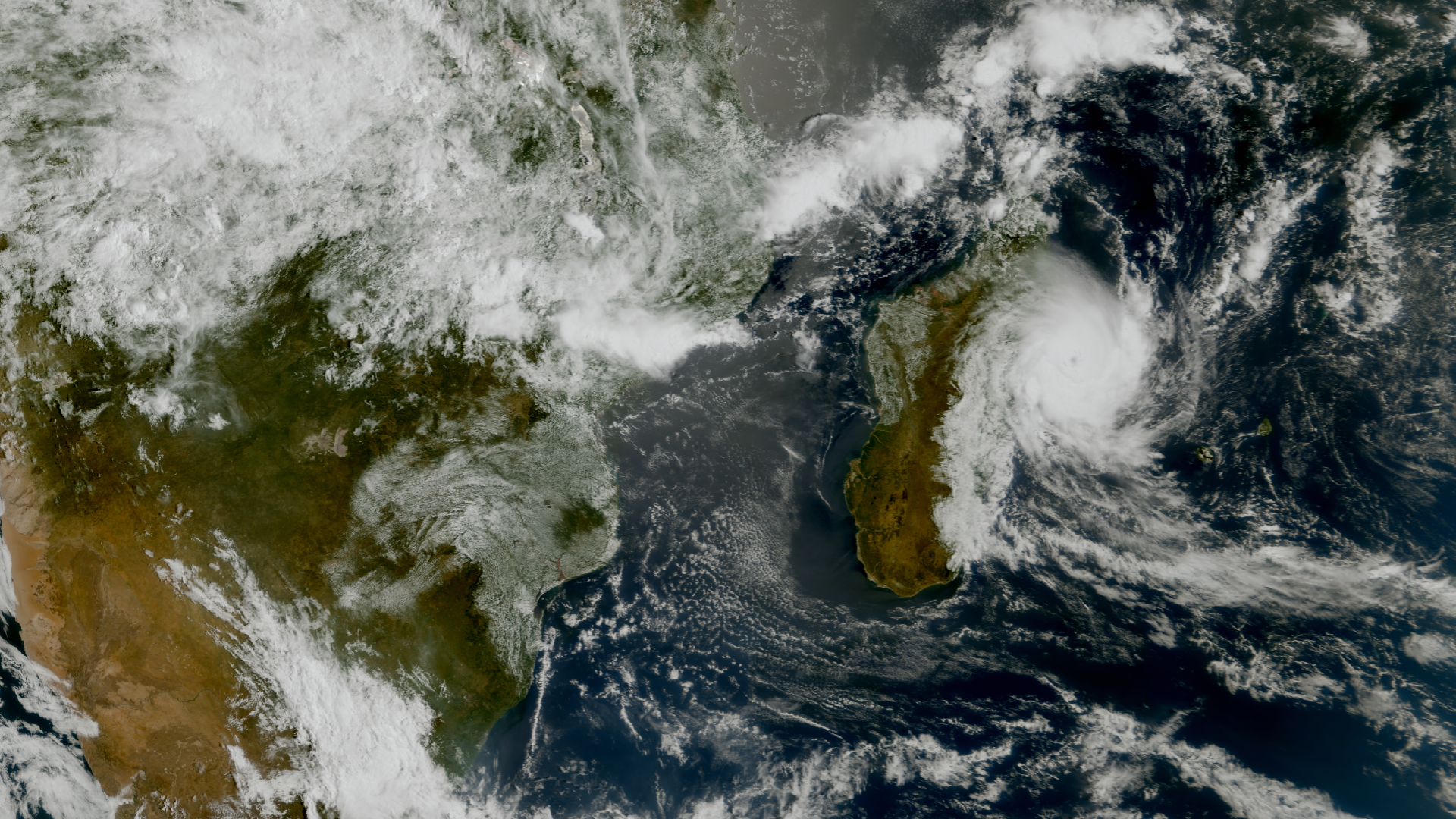
Cyclone Gezani has killed at least 59 people in Madagascar, with more than 800 injured and over 16,000 displaced. Authorities say more than 423,000 people have been affected nationwide.
The storm struck just days after another deadly cyclone hit the island. With winds reaching up to 185 km per hour, Cyclone Gezani tore through homes and critical infrastructure. In the port city of Toamasina, officials estimate that about 75 percent of the city was destroyed. The government has declared a national emergency and placed damage estimates at roughly 142 million dollars.
In southern Mozambique, Cyclone Gezani killed at least four people in Inhambane province. Winds there reached 215 km per hour, knocking down trees and power lines and cutting electricity to more than 13,000 residents. Water supplies were also disrupted in several districts.
Forecasters warn that Cyclone Gezani could loop back toward southwestern Madagascar, prompting renewed red alerts in vulnerable areas.
Dashcam Killing Sparks Outrage in South Africa
South Africa is reeling after dashcam footage showed the killing of 22 year old e hailing driver Isaac Satlat. The video, widely shared online, captured a violent struggle inside his vehicle during what prosecutors describe as a robbery.
Three suspects have been charged with murder and robbery. They appeared in a Pretoria court and abandoned bail applications. A fourth suspect later surrendered to police and is expected in court soon.
Authorities say the suspects ordered the ride using an unregistered number through Bolt, forced Satlat to stop, and then killed him before stealing his phone and vehicle. The car has since been recovered.
The killing has ignited national debate over the safety of e hailing drivers. Driver associations are calling for stronger passenger verification systems and improved protections for workers. Satlat’s family has stated that the attack was not linked to xenophobia.
Militant Attacks Intensify in Nigeria and Burkina Faso
In northeastern Nigeria, troops repelled coordinated attacks on military bases in Borno state. The assaults targeted Pulka and Mandaragirau, areas long affected by insurgency linked to Boko Haram and Islamic State West Africa Province.
Military officials confirmed casualties among soldiers and local defense volunteers in Mandaragirau. They also reported heavy militant losses and ongoing operations in the region.
Meanwhile in Burkina Faso, at least 20 people were killed in an attack in the northern town of Titao. Ghanaian authorities confirmed that seven of the victims were Ghanaian traders whose truck was set on fire. The violence reflects a broader surge in jihadist activity across the Sahel.
Nigeria Warns Against Recruitment Into Foreign Wars
Nigeria’s foreign ministry has issued a warning about illegal recruitment of citizens into foreign conflicts. The alert follows reports that two Nigerians were killed while fighting abroad last year.
Officials say some citizens were misled into signing military contracts after promises of jobs or migration opportunities. Authorities have directed diplomatic missions to increase public awareness and support affected families.
Other Developments Across the Continent
In Morocco, authorities have begun organizing the return of residents to flood affected towns after heavy rains displaced nearly 188,000 people. The government has pledged billions of dirhams for recovery and infrastructure repairs.
At Nairobi’s Jomo Kenyatta International Airport, flights were disrupted after aviation workers launched a strike over unresolved labor disputes. Airlines reported delays for both arrivals and departures.
In Niger State, Nigeria, gunmen killed at least 29 people in coordinated dawn attacks on three villages. Security forces have imposed curfews and restricted motorcycle movement as fear spreads among residents.
The African Union has adopted a resolution declaring slavery and colonialism crimes against Africans. Leaders also designated November 30 as a day of remembrance for victims of the transatlantic slave trade and apartheid.
Zambia has suspended livestock imports from South Africa following a nationwide foot and mouth disease outbreak there. The move aims to protect Zambia’s agriculture sector and prevent cross border transmission.
From the devastation caused by Cyclone Gezani to security challenges and political decisions across Africa, today’s headlines highlight a continent navigating both crisis and resilience.