Regenerative agriculture in Africa is gaining momentum as a promising solution to the many challenges faced by the continent’s agricultural systems. With the growing pressure of climate change, land degradation, and food insecurity, farmers are turning to regenerative farming practices to restore and protect the land, improve productivity, and enhance environmental sustainability. This approach focuses on rebuilding soil health, enhancing biodiversity, and creating resilient farming systems that can withstand future challenges.
Regenerative agriculture differs from traditional farming in that it aims not only to reduce harm but also to reverse environmental damage. This holistic approach includes a variety of practices that restore the soil’s natural functions, improve water retention, reduce erosion, and promote sustainable food production. While the benefits of regenerative agriculture are clear, the adoption of these practices in Africa faces numerous challenges, particularly in areas where conventional farming methods are deeply rooted.

The Benefits of Regenerative Agriculture in Africa
1. Soil Health Restoration
One of the core benefits of regenerative agriculture is its ability to restore soil health. Soil degradation has been a significant issue in many parts of Africa due to overuse, deforestation, and poor land management practices. Regenerative farming practices such as cover cropping, crop rotation, reduced tillage, and composting help replenish soil nutrients and improve its structure.
By increasing organic matter and promoting microbial activity, regenerative agriculture creates fertile soils that can support higher yields, even with reduced inputs. These practices also enhance the soil’s ability to retain water, which is vital in areas affected by drought and erratic rainfall patterns.
2. Increased Biodiversity
Regenerative agriculture encourages biodiversity both on and around the farm. Through agroforestry, intercropping, and the preservation of natural habitats, regenerative farming systems support a wide range of plants, animals, and beneficial insects. This increase in biodiversity improves ecosystem services such as pollination, pest control, and soil fertility.
Healthy ecosystems are better able to absorb carbon and resist climate-induced stresses, making regenerative agriculture an important tool for climate change mitigation in Africa.
3. Resilience to Climate Change
Regenerative farming practices enhance the resilience of African farms to the impacts of climate change. As climate patterns become more unpredictable, farmers need systems that can withstand extreme weather events like droughts, floods, and heatwaves. Regenerative agriculture builds climate resilience by improving soil health, conserving water, and increasing the diversity of crops.
For example, agroecological practices such as mulching, water harvesting, and planting drought-resistant varieties help conserve water and maintain production during dry spells. Farms that adopt regenerative practices are better prepared for the unpredictable weather patterns that come with climate change.
4. Economic Benefits for Smallholder Farmers
Regenerative agriculture offers economic advantages, particularly for smallholder farmers, who make up the majority of Africa’s farming population. By improving soil fertility, reducing the need for costly chemical fertilizers and pesticides, and increasing crop yields, regenerative farming can lower input costs and boost farm profitability.
Furthermore, regenerative farming can help diversify farmers’ income by integrating livestock, agroforestry, and value-added products. These diversified income streams help stabilize the livelihoods of smallholder farmers, making them more resilient to market fluctuations and environmental shocks.
Challenges to Adopting Regenerative Agriculture in Africa
Despite its potential, the widespread adoption of regenerative agriculture in Africa faces several challenges.
1. Lack of Knowledge and Training
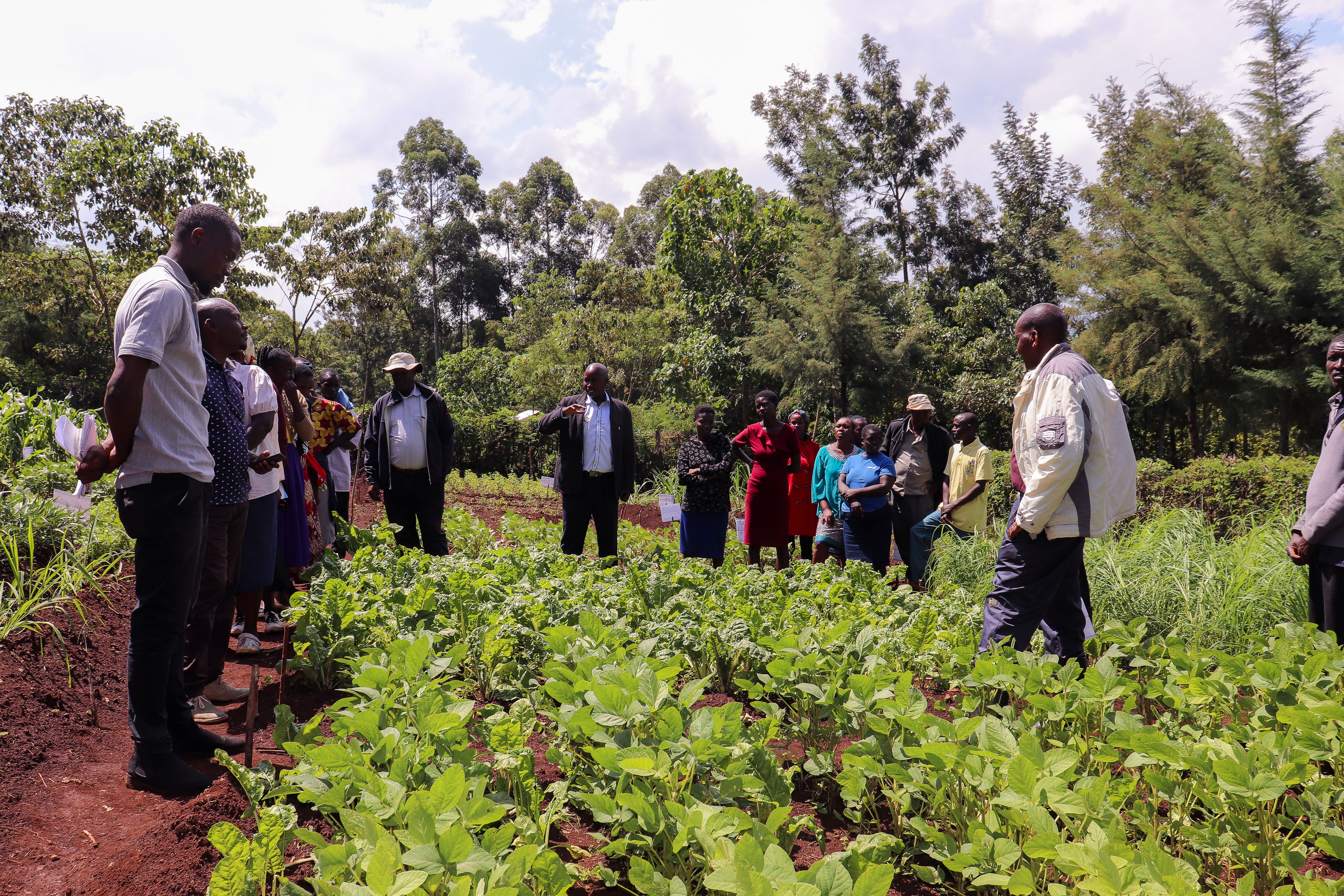
One of the primary obstacles to adopting regenerative agriculture is the lack of knowledge and training among farmers. Many farmers in Africa are still reliant on traditional farming methods and may not be familiar with regenerative practices. This knowledge gap, combined with limited access to extension services, makes it difficult for farmers to transition to regenerative farming systems.
To overcome this challenge, agricultural organizations and governments need to invest in farmer education and training programs that demonstrate the long-term benefits of regenerative agriculture and provide practical guidance on implementation.
2. Cultural and Social Barriers
In many African communities, traditional farming practices are deeply embedded in the culture. Changing these practices requires not only technical knowledge but also overcoming social and cultural barriers. In some cases, farmers may be hesitant to adopt new practices due to fear of failure, lack of trust in new methods, or resistance to change.
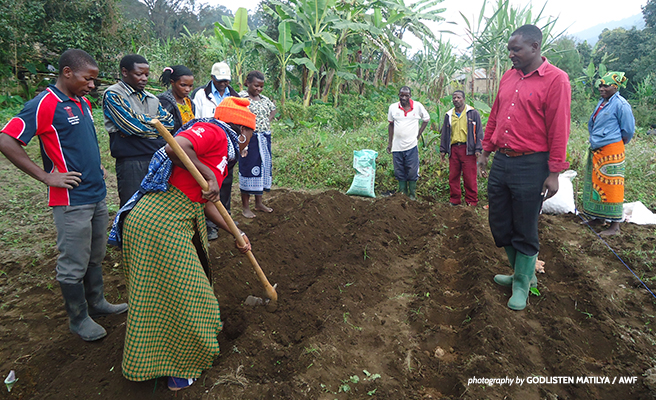
Community-based approaches, where farmers work together to share knowledge and experiences, can help overcome these barriers. Demonstrating the success of regenerative agriculture in local contexts can also encourage wider adoption.
3. Access to Resources and Financial Support
Transitioning to regenerative agriculture often requires initial investment in new practices, tools, and technologies, which can be a financial burden for smallholder farmers. Access to credit and financial support is limited in many African countries, particularly for rural farmers.
To facilitate the adoption of regenerative agriculture, governments, NGOs, and financial institutions need to provide farmers with access to affordable credit, grants, and incentives. Investment in infrastructure, such as irrigation systems and rural roads, is also essential to support the shift to more sustainable farming practices.
4. Land Tenure Issues
In some parts of Africa, land tenure systems are unclear or insecure, which can deter farmers from making long-term investments in regenerative practices. Without secure land ownership or tenure, farmers may be reluctant to adopt practices that require long-term commitment, such as agroforestry or soil restoration.
Addressing land tenure issues is crucial to the success of regenerative agriculture. Governments must work to strengthen land rights and provide clear guidelines for land use and ownership, particularly in areas with high population growth and land scarcity.
Conclusion
Adopting regenerative agriculture in Africa presents a powerful opportunity to address the continent’s food security challenges, restore degraded lands, and build resilience against climate change. The benefits, including improved soil health, increased biodiversity, and economic stability, offer a promising path forward for African farmers.
However, significant challenges remain, such as the need for greater knowledge, financial support, and policy changes. By investing in education, providing financial incentives, and addressing land tenure issues, Africa can unlock the full potential of regenerative agriculture, leading to more sustainable and resilient farming systems for generations to come.
Regenerative agriculture is not just a set of farming techniques; it is a new approach to managing the land and resources for the long-term benefit of people and the environment.