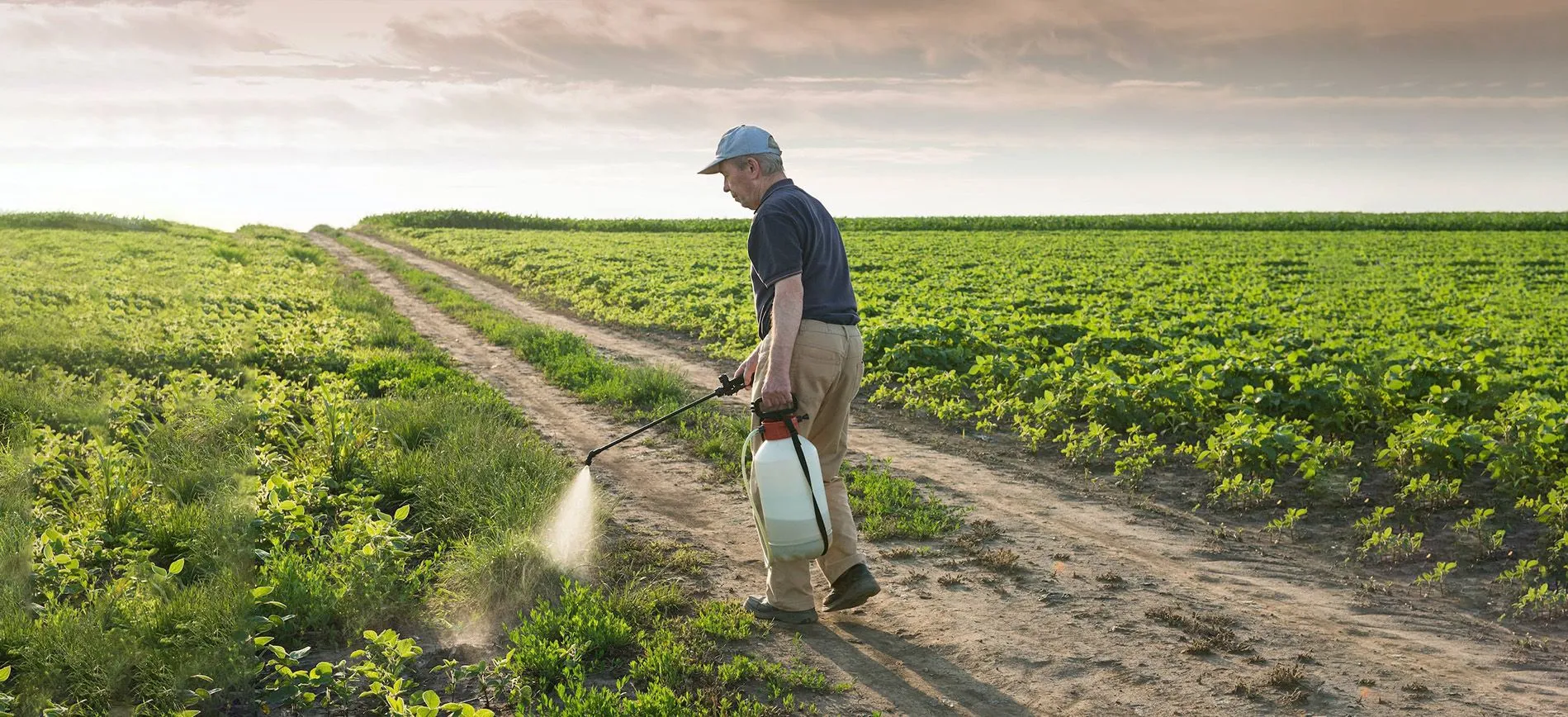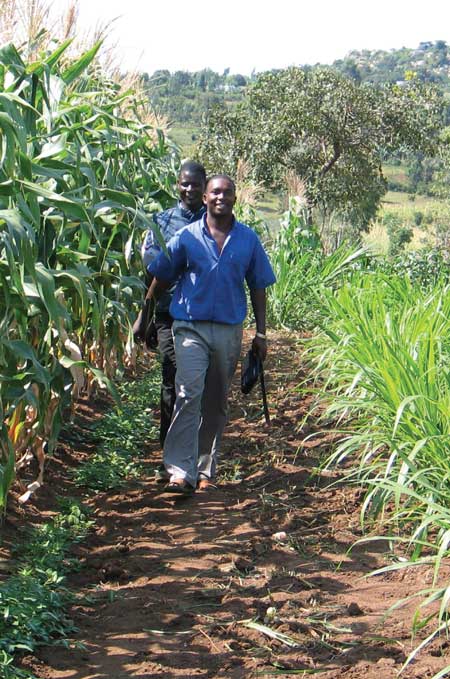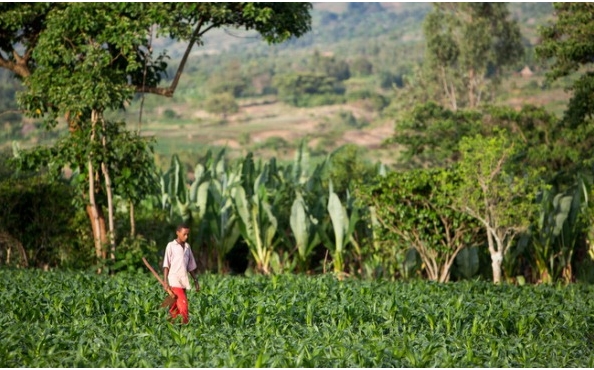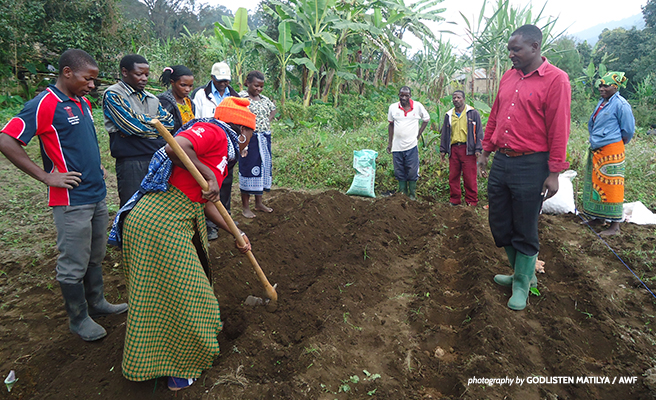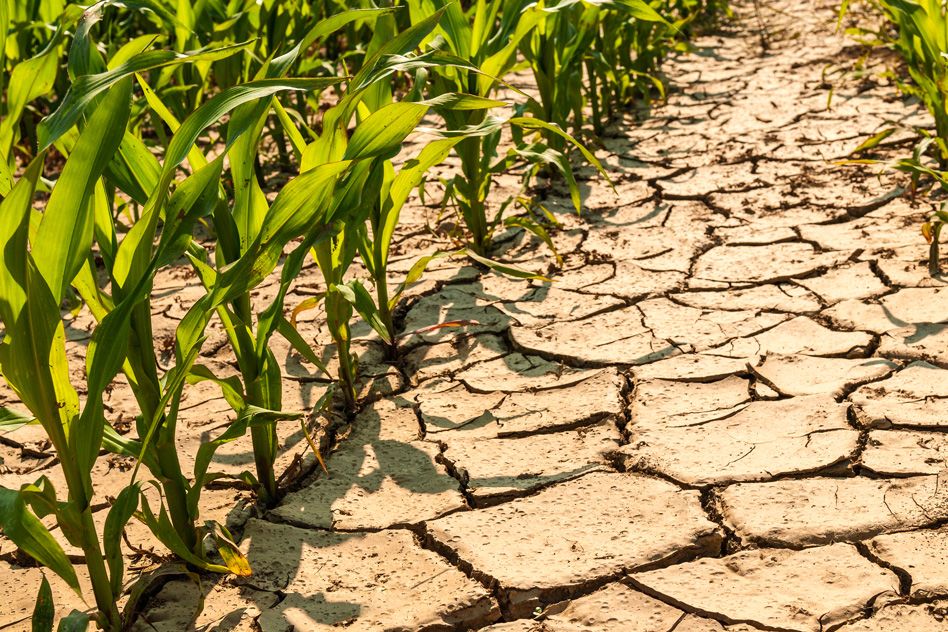
Climate-smart agriculture in Africa is gaining urgency as climate change continues to disrupt weather patterns, threaten food security, and strain rural livelihoods. Rising temperatures, prolonged droughts, unpredictable rainfall, floods, and soil degradation are already affecting millions of smallholder farmers across the continent. Since agriculture supports most African economies and employs a large share of the population, adapting farming systems to climate change is no longer optional. It is a necessity.
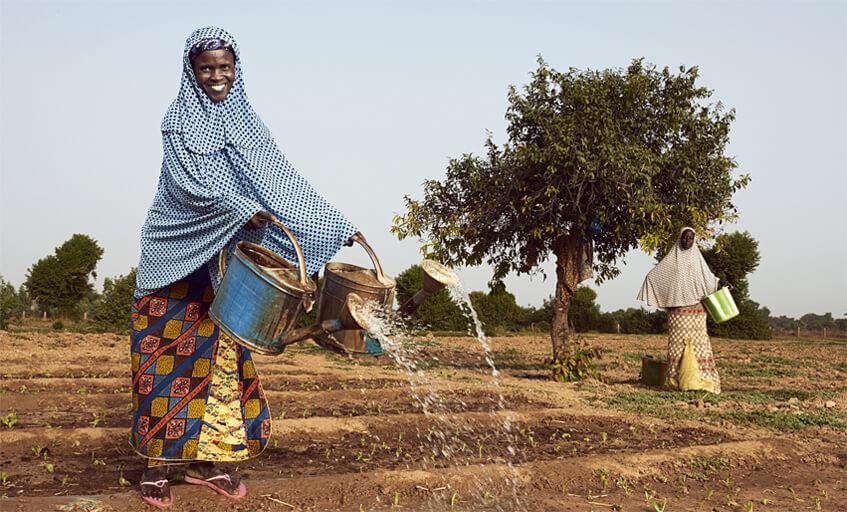
Climate-smart agriculture focuses on three core goals. It increases agricultural productivity, strengthens resilience to climate shocks, and reduces greenhouse gas emissions where possible. By aligning food production with climate adaptation, this approach helps farmers maintain yields while protecting ecosystems and natural resources. For Africa, where rain-fed agriculture dominates, climate-smart strategies offer a practical pathway toward sustainable development.
Understanding Climate Risks Facing African Agriculture
African farmers face a wide range of climate-related risks. In East and Southern Africa, droughts are becoming more frequent and severe. In West and Central Africa, flooding and erratic rainfall patterns disrupt planting seasons and destroy crops. Rising temperatures also increase pest and disease pressure, reducing productivity and increasing losses.
Smallholder farmers are especially vulnerable because they often lack access to irrigation, insurance, improved seeds, and financial services. Climate-smart agriculture in Africa responds to these risks by promoting flexible, locally adapted practices that help farmers cope with uncertainty while improving long-term farm performance.
Climate-Resilient Crops and Improved Seed Varieties
One of the foundations of climate-smart agriculture is the use of climate-resilient crop varieties. Drought-tolerant, early-maturing, and heat-resistant crops help farmers adapt to shorter rainy seasons and higher temperatures. Improved seed varieties reduce crop failure risks and stabilize food production even in challenging conditions.
Crop diversification is equally important. Growing a mix of cereals, legumes, roots, and vegetables spreads risk and improves household nutrition. Diverse cropping systems are more resilient to climate shocks and less likely to suffer total losses during extreme weather events.
Water-Smart Farming and Efficient Irrigation
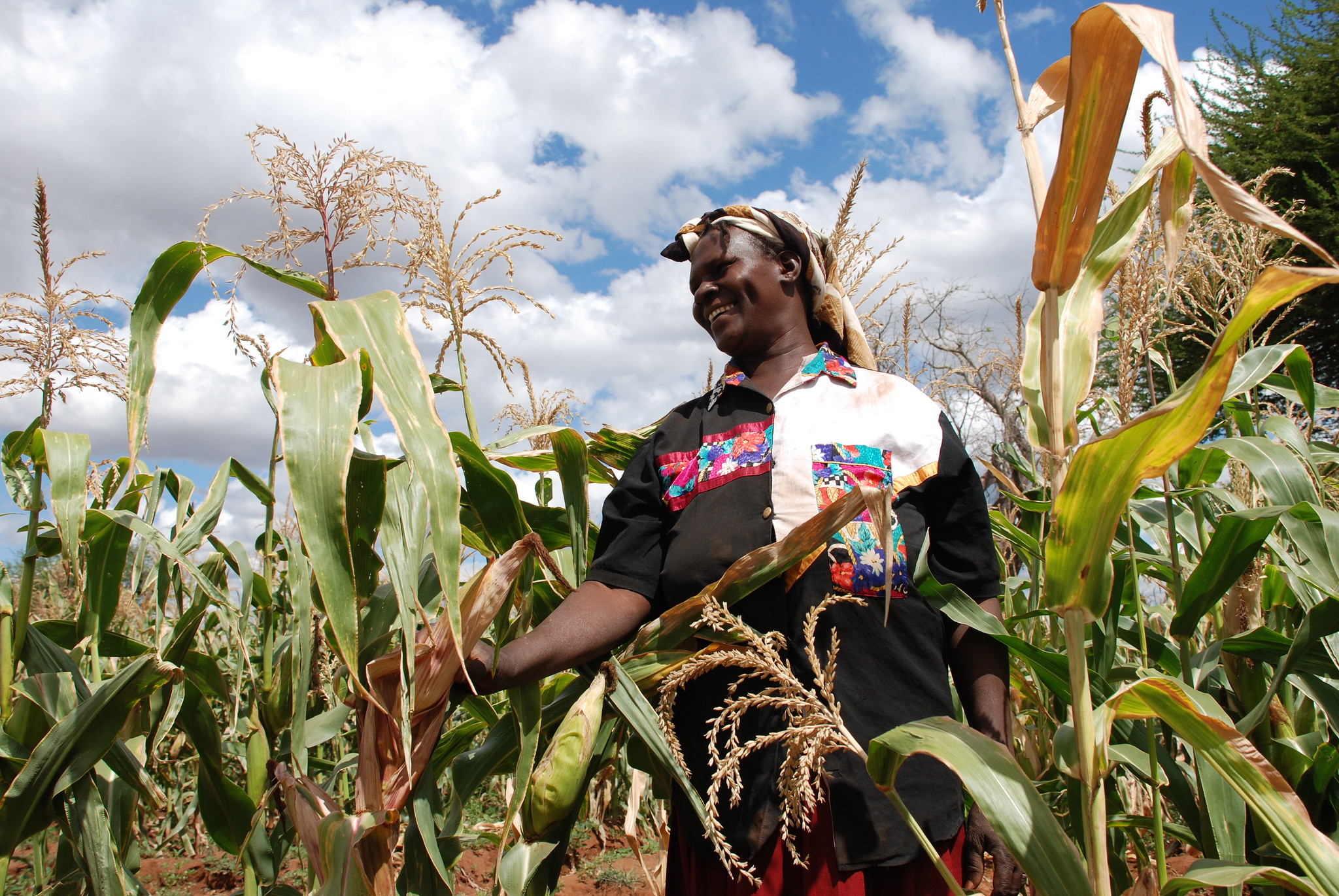
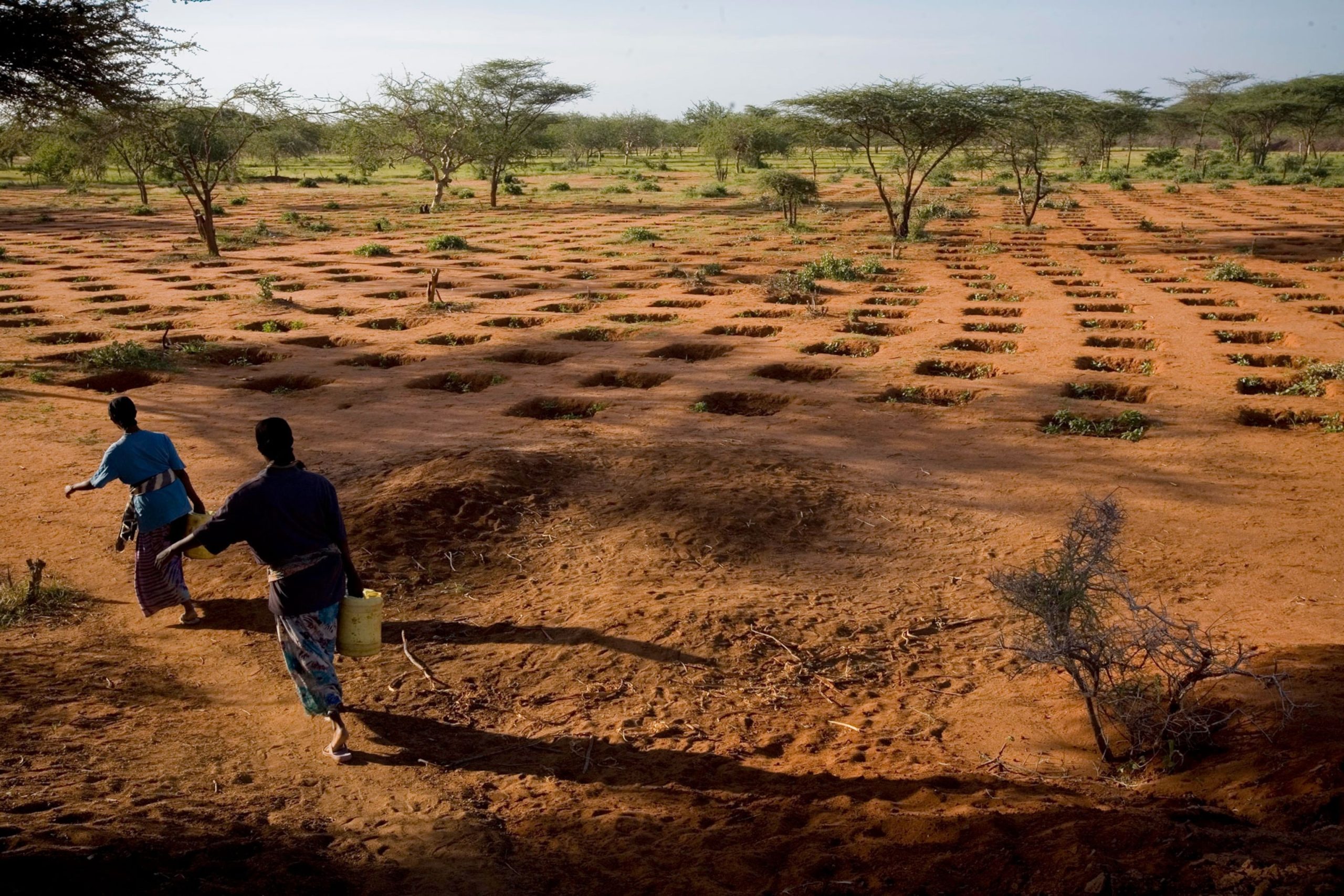
Water scarcity is one of the most serious climate challenges facing African agriculture. Climate-smart agriculture in Africa promotes efficient water management techniques that maximize available resources. Rainwater harvesting, drip irrigation, zai pits, and small-scale irrigation systems help farmers use water more effectively.
Conserving soil moisture through mulching and minimum tillage also plays a key role. These practices reduce evaporation and improve water infiltration, allowing crops to survive dry periods. By managing water wisely, farmers reduce vulnerability to droughts while improving yields.
Soil Health and Climate Adaptation
Healthy soils are central to climate-smart agriculture. Soils rich in organic matter store more water, resist erosion, and support stronger plant growth. Practices such as composting, cover cropping, agroforestry, and reduced tillage rebuild soil fertility and improve resilience to climate stress.
Carbon-rich soils also contribute to climate mitigation by storing carbon and reducing emissions. Although mitigation is not the primary goal for many African farmers, improved soil health delivers immediate benefits while supporting global climate objectives.
Agroforestry and Landscape-Based Solutions
Agroforestry is a powerful climate-smart strategy widely used across Africa. Integrating trees with crops and livestock improves soil structure, reduces erosion, and moderates local temperatures. Trees provide shade, reduce wind damage, and enhance water retention in farming landscapes.
In addition to climate benefits, agroforestry systems offer farmers diversified income through fruits, timber, fodder, and fuelwood. These added resources strengthen household resilience during climate-related shocks and lean seasons.
Climate Information and Digital Agriculture
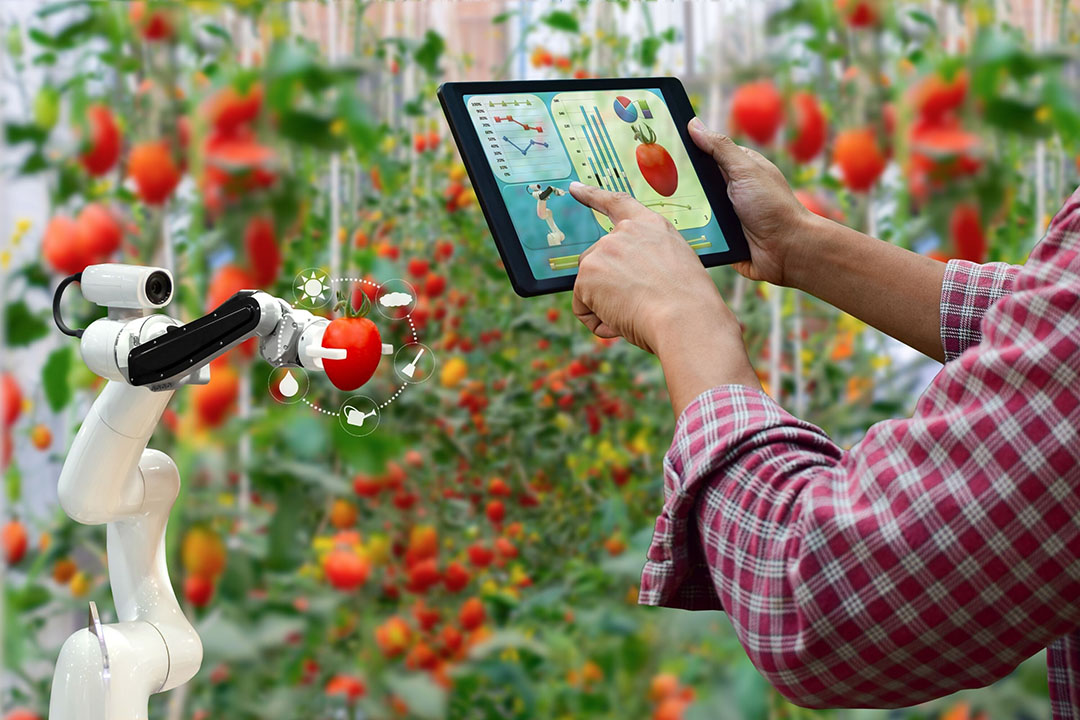
Access to climate information is becoming an essential component of climate-smart agriculture in Africa. Weather forecasts, early warning systems, and seasonal climate predictions help farmers make informed decisions about planting, harvesting, and input use. Mobile technology now allows farmers to receive timely climate advisories even in remote areas.
Digital tools also support market access, financial inclusion, and farm management. By combining climate information with digital agriculture, farmers improve planning, reduce losses, and respond more effectively to climate variability.
Livestock Management and Climate Resilience
Climate-smart agriculture extends beyond crops to include livestock systems. Improved grazing management, better animal breeds, and enhanced feed practices help livestock farmers cope with heat stress and feed shortages. Water access, shade, and disease control become increasingly important as temperatures rise.
Integrated crop-livestock systems recycle nutrients, improve soil fertility, and diversify income sources. These systems strengthen resilience by spreading climate risk across different agricultural activities.
Benefits of Climate-Smart Agriculture in Africa
Climate-smart agriculture in Africa delivers wide-ranging benefits. Farmers experience more stable yields, improved food security, and reduced vulnerability to climate shocks. Communities gain stronger livelihoods and better nutrition, while ecosystems benefit from reduced land degradation and improved biodiversity.
At a national level, climate-smart agriculture supports economic stability and reduces dependence on food imports. It also aligns with long-term climate adaptation strategies and sustainable development goals across the continent.
Conclusion
Climate-smart agriculture adapting to climate change in Africa is essential for the future of food systems and rural livelihoods. By combining climate-resilient crops, water-smart practices, healthy soils, agroforestry, and climate information services, African farmers can build resilient and productive agricultural systems. As climate pressures intensify, scaling climate-smart agriculture offers a practical and sustainable solution to protect food security and strengthen resilience across Africa.