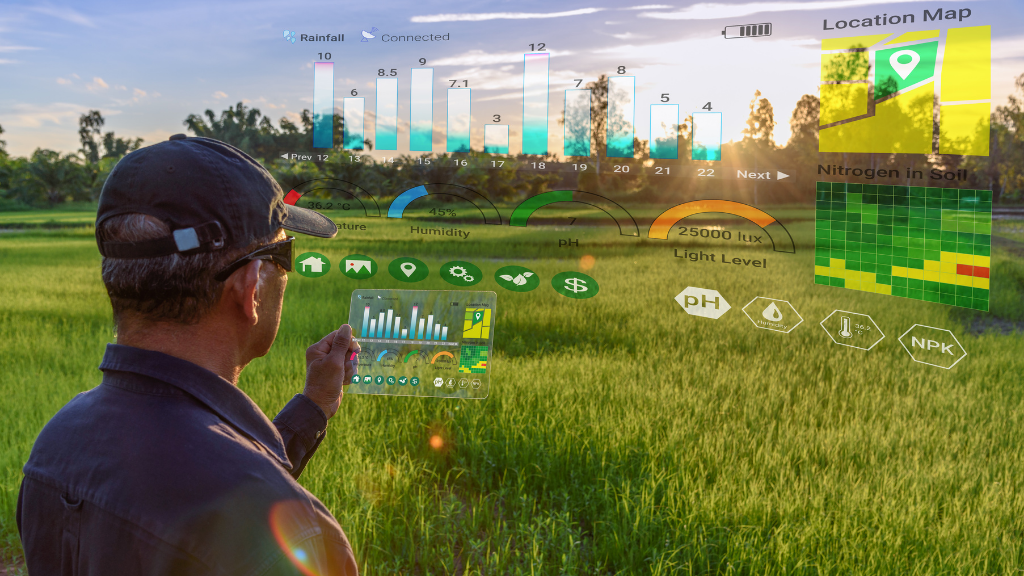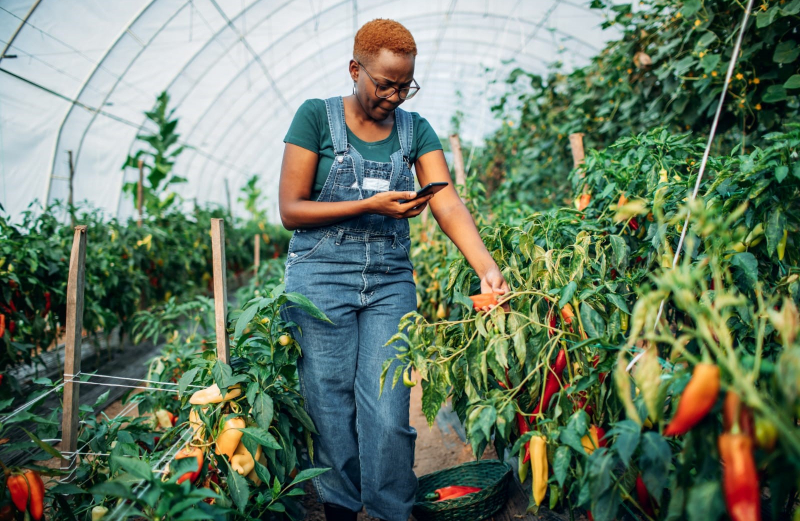
Digital agriculture combines the power of technology, data, and innovative tools to enhance farming practices, improve productivity, and promote sustainability. From precision farming to remote sensing and data analytics, digital agriculture offers numerous solutions that can revolutionize how African farmers grow crops, manage livestock, and interact with markets.
In this article, we explore how digital agriculture is transforming farming in Africa, the technologies driving this change, and the potential benefits for the future of African agriculture.
1. What is Digital Agriculture?
Digital agriculture refers to the use of digital technologies, data, and innovative tools to optimize agricultural processes. These technologies allow farmers to collect, analyze, and use data to make more informed decisions about crop management, irrigation, pest control, and overall farm productivity.
Key components of digital agriculture include:
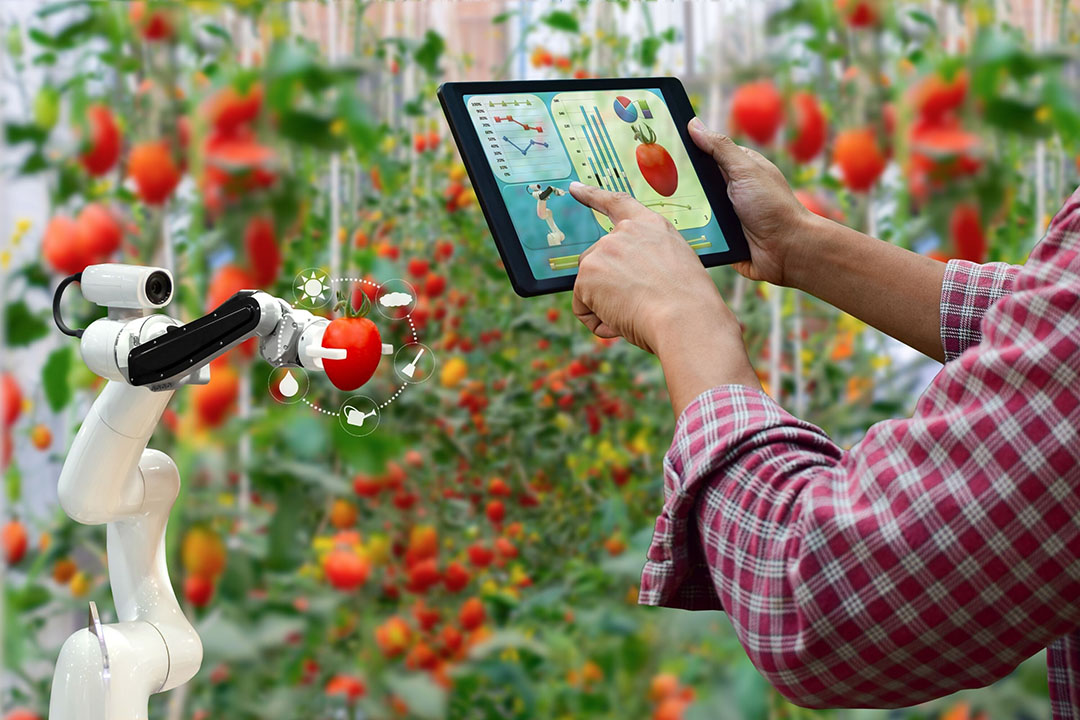
- Precision farming: The use of GPS, drones, and IoT sensors to monitor and manage farming activities more accurately.
- Data analytics: Using big data and AI algorithms to analyze farming data and predict outcomes, such as crop yields or disease outbreaks.
- Mobile apps and platforms: Offering farmers access to information, markets, and services, all from their smartphones.
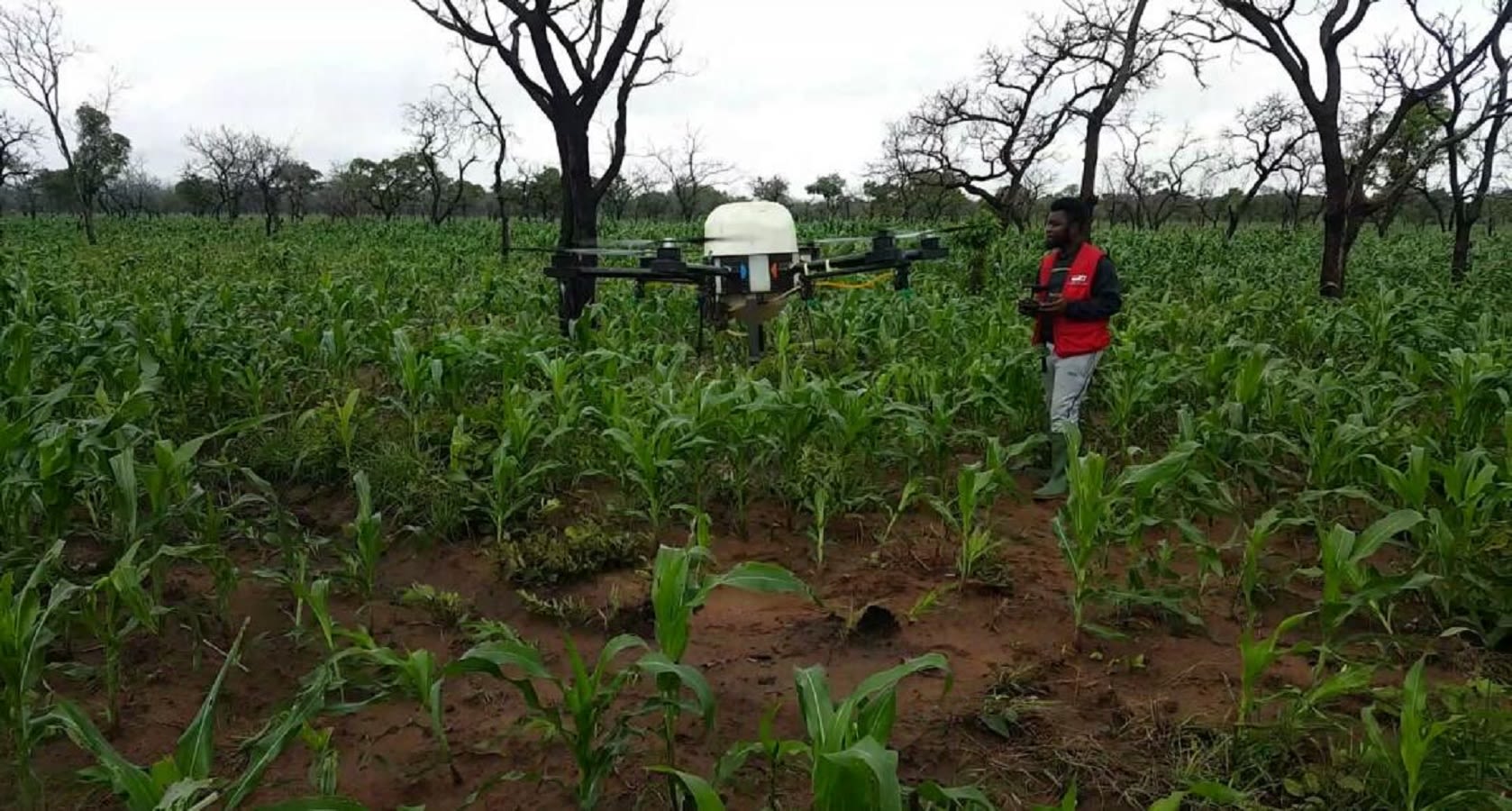
By integrating these technologies, farmers can increase efficiency, minimize waste, reduce environmental impact, and ultimately boost productivity.
Agriculture has always been the backbone of Africa’s economy, providing employment for millions and driving food security across the continent. However, traditional farming practices, often reliant on outdated methods, have faced challenges such as low productivity, climate change, and limited access to resources. Today, digital agriculture is playing a transformative role in addressing these challenges and creating new opportunities for African farmers.
2. Technologies Driving Digital Agriculture in Africa
Several key technologies are reshaping the future of agriculture in Africa. These innovations are enabling farmers to adopt smarter, more efficient farming techniques that were once out of reach.
Drones and Remote Sensing
Drones equipped with sensors and cameras provide farmers with real-time data about their crops. This data helps monitor crop health, assess soil quality, and identify potential issues such as pests or drought stress. Drones can cover large areas in a short amount of time, making it easier to assess and manage vast farmland.
For example, precision agriculture techniques powered by drones allow farmers to apply water, fertilizer, and pesticides more precisely, which can lead to cost savings and higher yields.
IoT Sensors and Smart Devices
The Internet of Things (IoT) is another game-changer for African agriculture. IoT sensors embedded in soil or irrigation systems can provide farmers with real-time information on moisture levels, temperature, and soil fertility. This data allows farmers to make more informed decisions on when to water, fertilize, or harvest, helping to maximize efficiency and conserve resources.
For instance, smart irrigation systems use real-time weather data and soil moisture levels to optimize water usage, which is crucial in regions facing water scarcity.
Mobile Applications and Platforms
In Africa, mobile phones have become essential tools for farmers. Mobile apps enable farmers to access weather forecasts, market prices, and financial services, all of which contribute to better decision-making.
Apps like FarmDrive and iCow are specifically designed to help smallholder farmers access credit, marketplaces, and advisory services. These platforms allow farmers to connect with agricultural experts, obtain tips on improving crop yields, and sell their produce at fair prices.
3. Benefits of Digital Agriculture in Africa
The rise of digital agriculture is bringing a wide range of benefits to Africa’s farming sector. From increased productivity to improved sustainability, here are some of the key advantages:
Increased Productivity
Digital tools enable farmers to optimize their operations, from planting to harvesting, by providing precise data on how to maximize crop yields. By using technologies like drones and IoT sensors, farmers can monitor crop health and soil conditions in real-time, allowing them to adjust farming practices accordingly. This leads to higher yields with fewer resources.
Reduced Environmental Impact
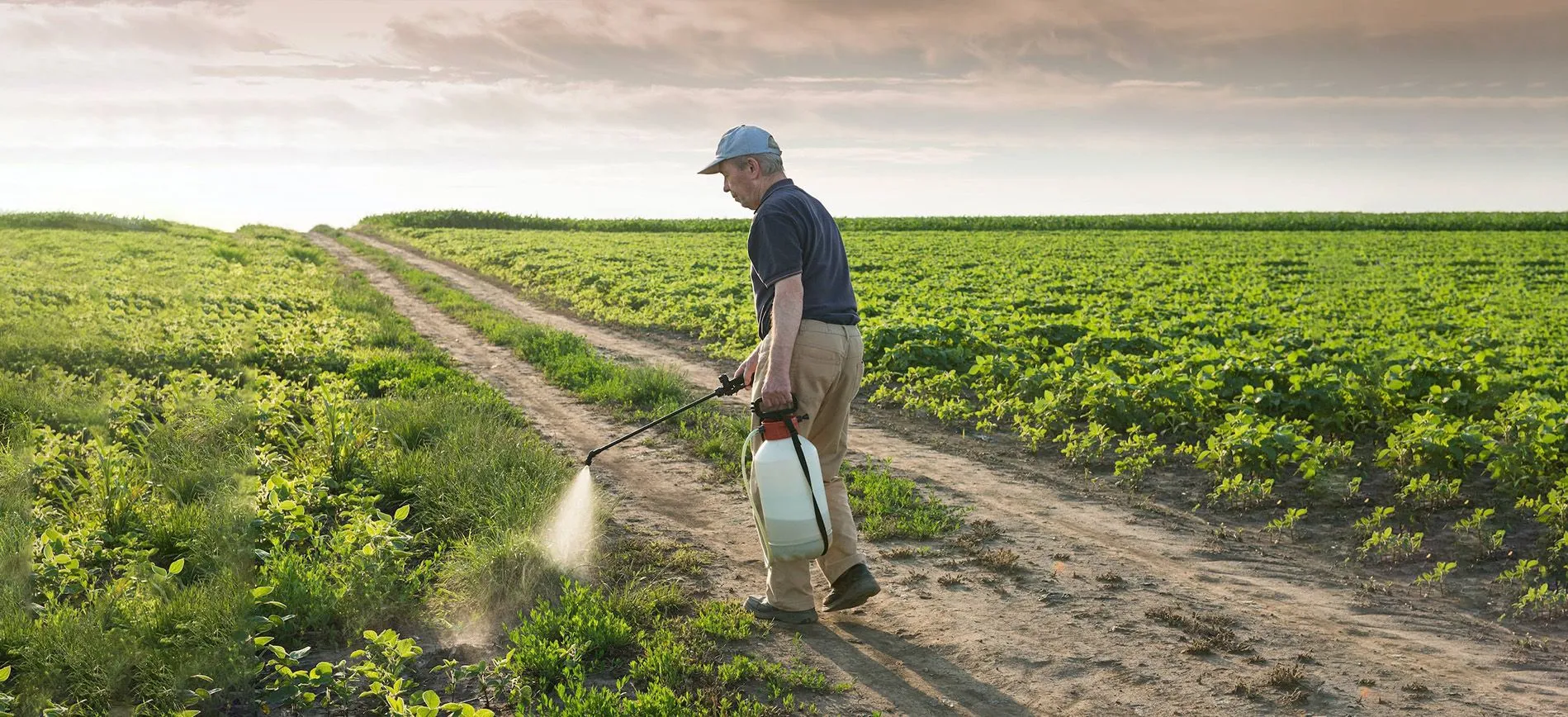
Precision farming allows for more sustainable use of resources such as water, fertilizer, and pesticides. Smart irrigation systems, for example, ensure that water is applied only when and where it’s needed, reducing waste. Similarly, targeted pesticide applications help reduce the harmful impact of chemicals on the environment, improving biodiversity and soil health.
Improved Access to Markets
One of the challenges faced by smallholder farmers in Africa is market access. Digital platforms allow farmers to connect with buyers, helping them secure better prices for their produce. Additionally, apps that provide market insights allow farmers to plan their production based on demand, reducing waste and increasing profitability.
Financial Inclusion
Digital agriculture can also enhance financial inclusion for farmers. Many smallholder farmers struggle to access traditional banking services. However, mobile banking and digital payment platforms offer a way for farmers to save money, apply for loans, and access insurance to protect against crop failure or natural disasters.
Better Risk Management
AI-powered systems help farmers predict potential risks, such as drought, flooding, or pests, by analyzing historical weather patterns and real-time environmental data. These predictions allow farmers to take proactive measures, reducing the impact of these risks on their livelihoods.
4. Challenges Facing Digital Agriculture in Africa
While the potential of digital agriculture is immense, there are several challenges that must be addressed to fully harness its benefits in Africa:
Access to Technology
In many parts of Africa, there are still barriers to technology access, including limited internet connectivity and the high cost of smart devices. Ensuring that farmers have access to affordable and reliable digital tools is crucial for the widespread adoption of digital agriculture.
Training and Education
The success of digital agriculture also depends on the ability of farmers to understand and use new technologies. Offering training programs and educational resources is essential to ensure that farmers are able to fully benefit from AI, IoT, and other digital tools.
Infrastructure Issues
In remote areas, power supply and network infrastructure can be unreliable. For digital agriculture to reach its full potential, governments and organizations must invest in improving infrastructure, especially in rural and underserved areas.
5. The Future of Digital Agriculture in Africa
Despite the challenges, the future of digital agriculture in Africa looks promising. As technology becomes more affordable and accessible, we can expect to see wider adoption of smart farming techniques across the continent. Continued investment in infrastructure, training programs, and research will drive further innovation and adoption.
In the coming years, we will likely see more AI-powered solutions, blockchain for traceability, and automated machinery that will make farming even more efficient and sustainable. Governments, non-governmental organizations (NGOs), and private companies will play a crucial role in supporting the growth of digital agriculture across Africa.
6. Conclusion
Digital agriculture is transforming the future of farming in Africa. By leveraging technology and data, farmers can increase productivity, reduce environmental impact, and gain better access to markets and financial services. While challenges such as access to technology and infrastructure need to be addressed, the potential benefits of digital agriculture for Africa’s farmers are clear.
As Africa continues to embrace innovation and technology, digital agriculture will play a central role in shaping the future of farming, driving economic growth, and ensuring food security for generations to come.