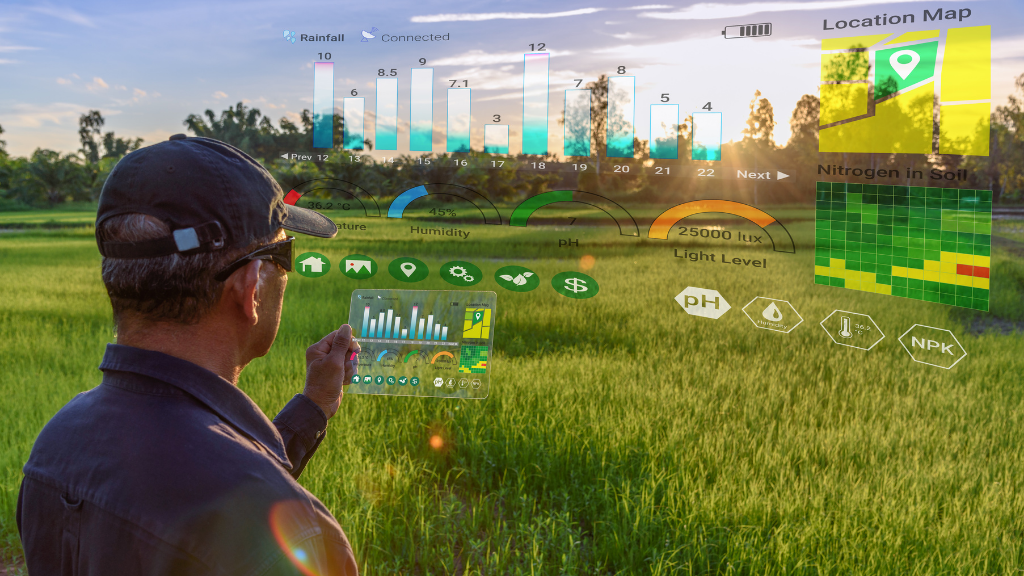
Agriculture plays a pivotal role in Africa’s economy, with millions of people relying on farming for their livelihoods. However, traditional farming methods often struggle with challenges such as low productivity, climate change, resource scarcity, and limited access to modern technologies. To address these issues, drones and artificial intelligence (AI) are emerging as game-changers in African agriculture.
By combining drone technology with AI, African farmers now have the ability to manage crops more efficiently, monitor soil health, predict weather patterns, and make data-driven decisions that lead to better yields and sustainable farming practices. In this article, we’ll explore how drones and AI are revolutionizing agriculture in Africa, the benefits they offer, and the impact they have on both smallholder and commercial farming.
1. How Drones and AI Are Revolutionizing African Agriculture
Drones: The Eyes in the Sky
Drones are quickly becoming a vital tool in modern agriculture. Equipped with cameras, sensors, and GPS technology, drones allow farmers to capture high-resolution aerial images of their fields. This technology provides farmers with a bird’s-eye view of their crops, making it easier to monitor crop health, irrigation patterns, and soil conditions.
- Crop Monitoring: Drones equipped with multispectral sensors can capture images that help detect early signs of diseases, pests, or nutrient deficiencies. This allows farmers to take immediate action to address issues before they spread, reducing the need for harmful pesticides or fertilizers.
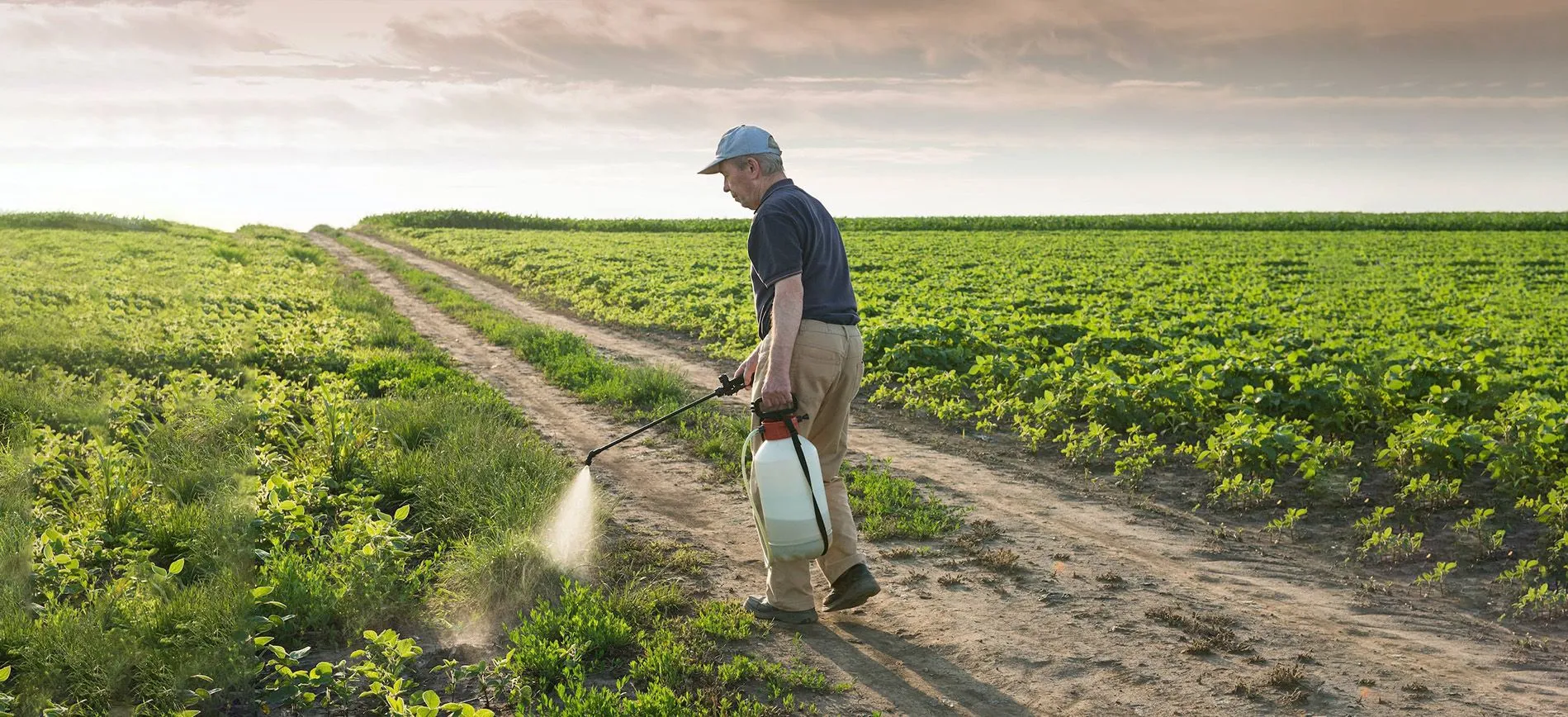
- Precision Agriculture: With the ability to monitor crops at a granular level, drones enable precision farming, where farmers can apply water, fertilizers, and pesticides only where needed. This not only saves costs but also minimizes the environmental impact of farming practices.
- Mapping and Planning: Drones can create detailed maps of farming land, which are useful for planning and resource allocation. This allows farmers to optimize the layout of their fields, improving the efficiency of their operations.
AI: Data-Driven Decision Making

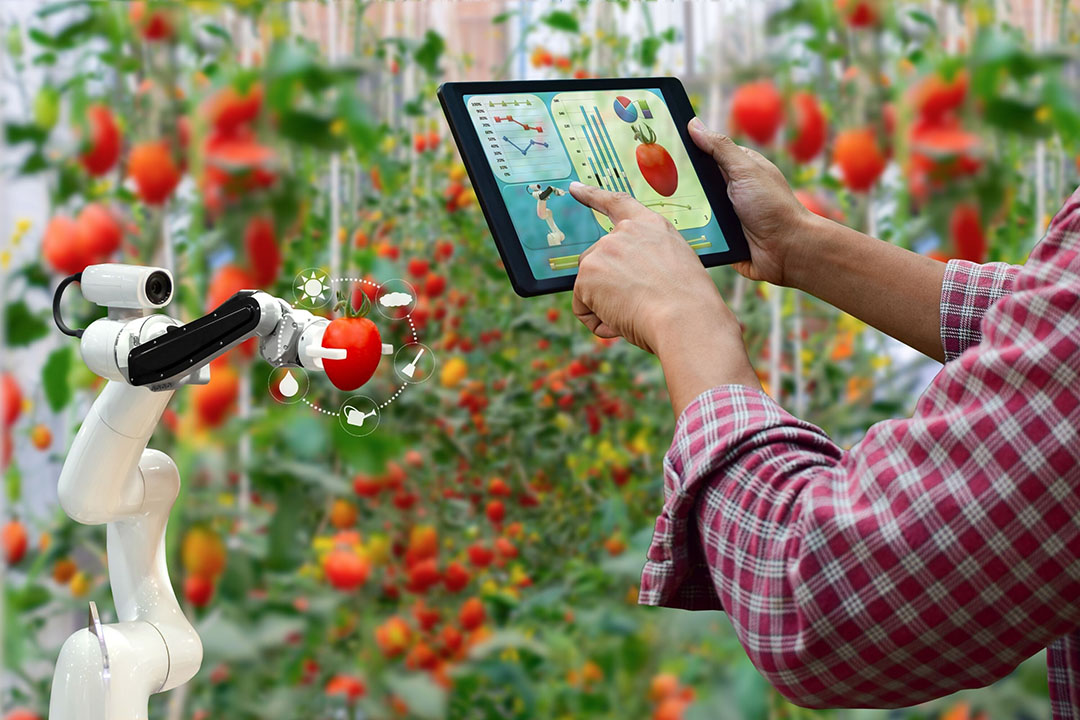
While drones collect valuable data, AI is what transforms that data into actionable insights. AI uses machine learning algorithms and data analytics to analyze large sets of agricultural data, helping farmers make informed decisions about crop management, irrigation, and harvest timing.
- Predictive Analytics: AI systems can predict crop yields based on data from drones, satellite images, and historical weather patterns. This allows farmers to anticipate production levels and plan for the sale or storage of crops.
- Weather Forecasting: In many parts of Africa, unpredictable weather patterns make farming difficult. AI algorithms can analyze weather data and provide accurate forecasts, helping farmers prepare for droughts, floods, or storms.
- Soil Health Monitoring: AI-powered systems can process data from drones and soil sensors to assess soil health. This helps farmers understand soil moisture levels, pH balance, and nutrient content, enabling them to apply the right treatments and improve crop productivity.
By combining AI algorithms with drone technology, farmers are able to leverage data to make smarter, more sustainable farming decisions.
2. Benefits of Using Drones and AI in African Agriculture
The integration of drones and AI in African agriculture offers a wide range of benefits for farmers, especially in a continent where agriculture is often affected by unpredictable weather, limited access to technology, and growing population demands.
1. Increased Productivity
The use of drones and AI enables smarter farming, which leads to increased crop yields. By using precision farming techniques, farmers can maximize their land’s potential while minimizing waste. For example, AI-powered irrigation systems can ensure that crops receive the right amount of water, optimizing water usage and increasing productivity.

2. Cost Efficiency
By adopting drone and AI technologies, farmers can reduce operational costs. Drones enable targeted pesticide applications and fertilizer use, which cuts down on the amount of chemicals used. Additionally, AI can help farmers better forecast crop yields, reducing waste and helping them make more informed purchasing decisions.
3. Sustainable Farming Practices
Drones and AI contribute to more sustainable farming practices. Precision farming allows farmers to use resources more efficiently, reducing their environmental footprint. For example, AI-powered systems can help farmers use water, fertilizers, and pesticides more responsibly, contributing to water conservation and soil health.
4. Improved Decision-Making
The data collected by drones and analyzed by AI allows farmers to make better decisions. For example, they can identify the best planting times, detect crop diseases early, and manage irrigation and fertilization schedules more efficiently. This leads to improved overall management and long-term farm success.
3. Real-World Examples of Drones and AI in African Agriculture
Across Africa, farmers are already benefiting from the combined power of drones and AI. Here are a few examples of how these technologies are being used in various countries:
Kenya: Precision Agriculture for Smallholder Farmers
In Kenya, smallholder farmers are using drones to monitor crop health and gather data on soil conditions. This data is then processed by AI systems to recommend the best agricultural practices, such as irrigation, fertilization, and crop rotation. The result is higher yields and more efficient farming in regions that were previously underserved by traditional agricultural technology.
South Africa: AI and Drones for Large-Scale Farming
In South Africa, large-scale farms are utilizing AI-driven systems and drones to optimize crop management. For example, farmers in the Western Cape use AI-powered weather forecasting tools to plan irrigation schedules and anticipate adverse weather conditions. Drones are used for aerial crop monitoring and to detect early signs of pests, reducing the need for pesticides and ensuring healthier crops.
Nigeria: Drones for Livestock Management
In Nigeria, drones are being used to monitor livestock health in pastoral farming. The drones capture aerial footage that is analyzed by AI to detect signs of diseases or malnutrition in livestock. This helps farmers provide timely care to their animals, improving their productivity and ensuring the quality of meat and milk products.
4. Challenges and Limitations
While the benefits of drones and AI in agriculture are clear, there are still several challenges to widespread adoption in Africa.
1. High Initial Costs
The cost of drone technology and AI systems can be prohibitively expensive for smallholder farmers. Although the benefits are long-term, the initial investment in equipment and training is a significant barrier to adoption.
2. Limited Infrastructure
In rural areas with limited internet connectivity and power supply, the use of AI-powered solutions and drones may be difficult to implement. Additionally, the lack of support infrastructure for repairing drones and AI systems can be problematic.
3. Training and Skills Gap
Farmers need training to effectively use drones and AI tools. Without the necessary technical skills, many farmers may struggle to understand how to operate the technology and interpret the data it provides.
5. The Future of Drones and AI in African Agriculture
Despite these challenges, the future of drones and AI in African agriculture looks promising. Governments, international organizations, and private companies are working to reduce costs, improve infrastructure, and provide training for farmers. As the adoption of digital agriculture continues to grow, the potential for increased productivity, sustainability, and economic growth across Africa will become a reality.
The integration of drones and AI is undoubtedly a game-changer for African agriculture, offering farmers the tools they need to improve efficiency, reduce costs, and ensure food security for generations to come.
6. Conclusion
The rise of drones and AI in African agriculture is paving the way for a new era of smarter farming. These technologies are transforming how farmers monitor crops, manage resources, and make decisions. Despite the challenges, the potential of AI-powered drones to increase agricultural productivity and sustainability in Africa is vast. As these technologies become more accessible and affordable, they will undoubtedly play a crucial role in shaping the future of African agriculture, ensuring a more prosperous and food-secure continent.