US President Donald Trump has once again thrust Trump’s Greenland Deal into the spotlight, linking it to strategic access to Greenland’s vast natural resources. Trump claims to have secured a “framework” for an agreement that addresses defence cooperation and resource rights in Greenland. This idea has sparked a debate about the island’s critical mineral wealth and its place in global geopolitics.
Greenland, an autonomous territory of Denmark, is strategically located and rich in untapped resources. While discussions about Trump’s Greenland Deal have not reached a final agreement, they highlight the island’s mineral deposits, which are crucial for clean energy, electronics, and military technologies. These resources have drawn increasing global attention amid growing competition with China and Russia in the Arctic.
Strategic Minerals at the Heart of Trump’s Greenland Deal
Greenland has significant deposits of critical minerals. These include rare earth elements, which are vital for technologies like electric vehicle motors, wind turbines, and advanced electronics. A 2023 survey revealed that 25 of the 34 raw materials classified as “critical” by the European Commission are found in Greenland. These materials are now a key focus for international interest.
Rare earths and other minerals such as graphite, niobium, and titanium are spread across different parts of the island. Several deposits in southern Greenland are being explored by mining companies. However, despite the mineral wealth, large-scale extraction remains limited.
Although Trump has publicly emphasised security reasons, experts believe that securing access to these critical minerals is a major driver behind Trump’s Greenland Deal. Rare earths are central to global economic and defence priorities.
Geopolitics and Arctic Security Concerns
The Arctic region is becoming a hotspot for geopolitical strategy, and Trump’s Greenland Deal cannot be separated from broader concerns about influence in the North. Trump and his supporters argue that Greenland’s resources are crucial not just for economics but for military presence and surveillance in the Arctic.
NATO allies have also discussed the strategic importance of Greenland. A framework agreement could enhance security cooperation in the region. NATO Secretary-General Mark Rutte pointed out that the goal is to strengthen defence measures, not just exploit resources.
Denmark and Greenland have pushed back against some of Trump’s assertions. Greenland’s leaders have emphasised the need for their involvement in any agreement concerning the island’s resources or sovereignty. The Greenland Premier clarified that no deal has been made regarding control over the island or its resources, stating that talks focus on security cooperation rather than full transfer of control.
Natural Resources Below the Ice
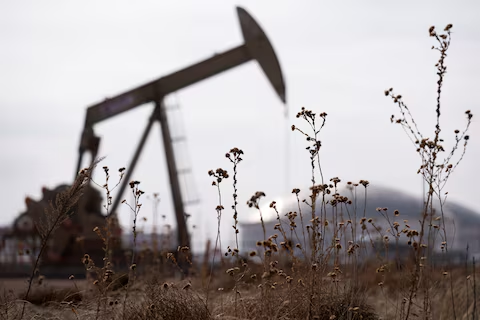
Greenland’s potential extends beyond rare earths. Estimates suggest the island could hold vast reserves of oil, natural gas, and other minerals beneath its ice. The United States Geological Survey has indicated that Greenlandic waters could contain billions of barrels of crude oil and trillions of cubic metres of natural gas, though no commercial production has taken place yet.
The thick ice cover complicates exploration and extraction. Greenland’s valuable resources are buried under layers of ice and located in remote areas, making access costly and technically challenging. Additionally, some regions with uranium deposits face regulatory mining bans due to environmental concerns.
The Kvanefjeld deposit in southern Greenland is one of the most well-known mineral sites. This rare earth and zinc deposit highlights both the promise and controversy of resource extraction on the island, involving complex geopolitics, local opposition, and foreign investment.
Economic and Infrastructure Challenges
Greenland’s infrastructure is sparse, posing challenges to large-scale mining operations. The island lacks an extensive road network and has limited ports, making it expensive to extract and export resources. Many projects remain at the exploration stage due to these logistical issues and high costs.
Environmental concerns also affect mining operations. Greenland’s government has banned some types of resource extraction, such as uranium, to protect the environment. These restrictions further limit the feasibility of developing some mineral resources, despite their economic potential.
Domestic Reaction and Sovereignty Debates
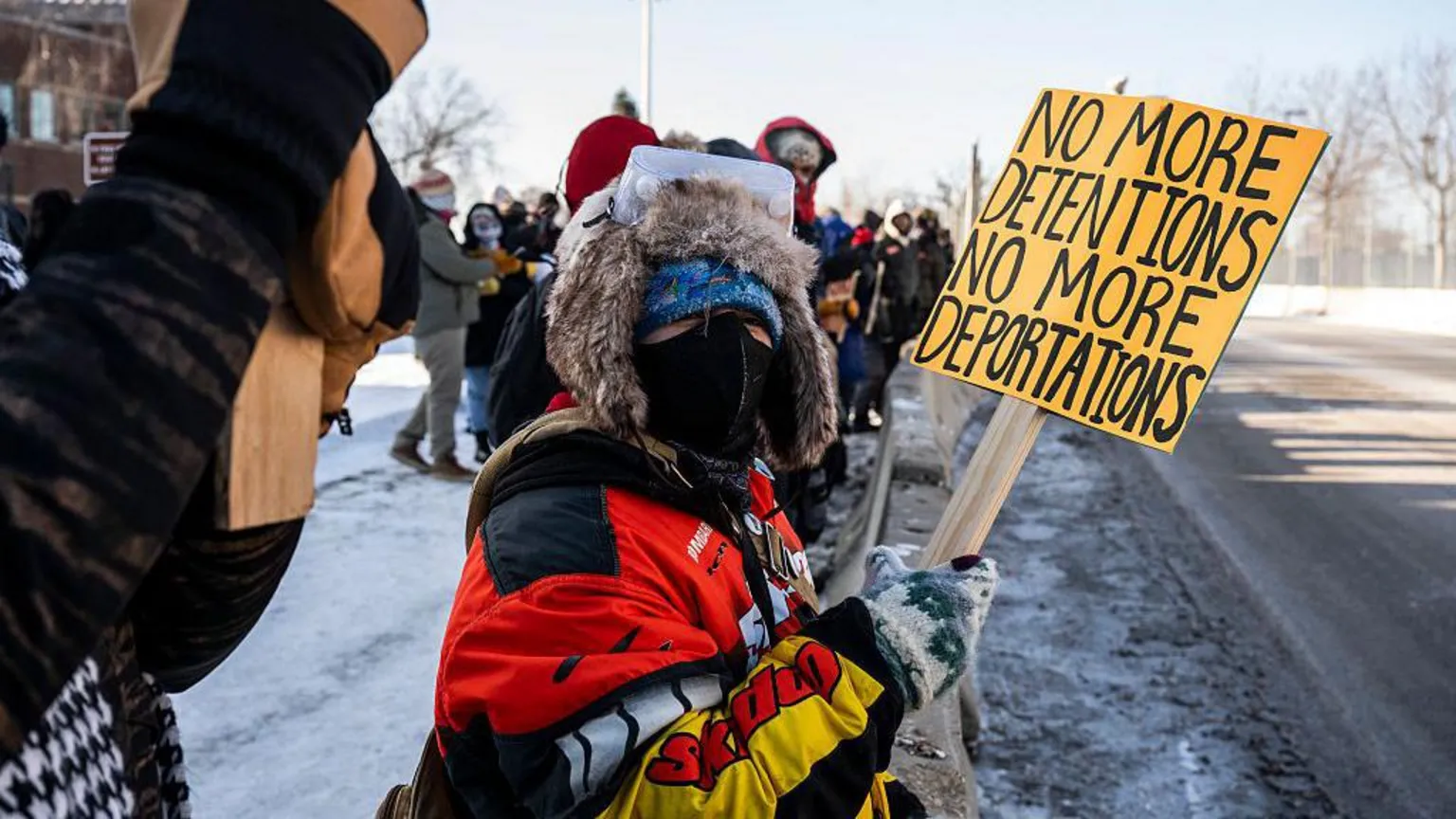
The debate over Trump’s Greenland Deal is not just international. In Greenland, there is significant opposition to any foreign control of the island’s resources. Protests, with slogans like “Greenland is not for sale,” have occurred in both Greenland and Denmark. Local sentiment strongly opposes ceding control over the island’s future without their direct involvement.
Greenland’s leaders have repeatedly stated that any deals involving the island’s resources must include their consent. This stance has complicated proposals to allow foreign powers long-term access to Greenland’s resources.
Arctic Competition and Future Prospects
As global powers compete for influence in the Arctic, Trump’s Greenland Deal stands at the crossroads of resource extraction, defence, and climate change. Melting ice is opening new sea routes and revealing previously inaccessible geological formations, further increasing Greenland’s strategic importance.
However, the journey from discovering resources to extracting them is long and complex. Greenland’s vast mineral wealth has attracted global attention, but turning this potential into economic benefit will require cooperation, infrastructure development, and respect for local governance.
Read Also
Uganda’s 2026 Election Outlook
Stellantis Scraps Plug-in Hybrid Plans
California’s Billionaire Tax Debate
AFCFTA Implementation Gaps in Africa