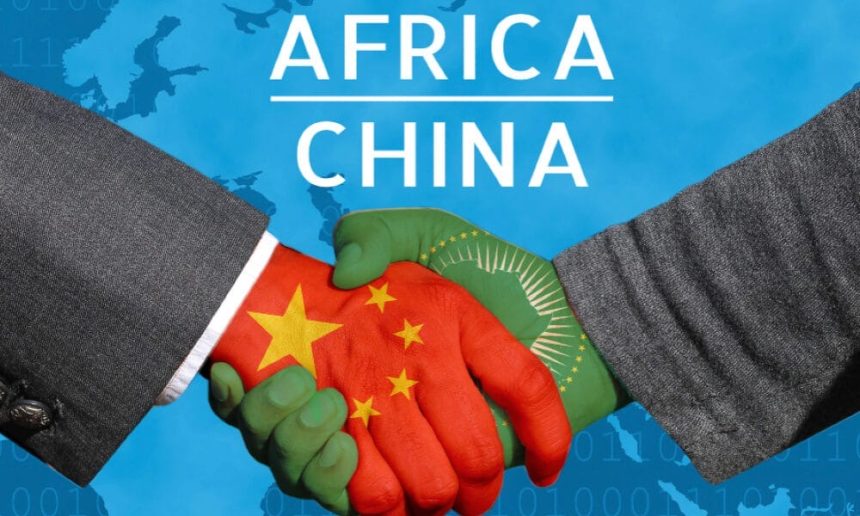
The African Continental Free Trade Area (AfCFTA) has gained strong support from African CEOs as a tool for growth and expansion. However, PAFTRAC’s 5th Survey reveals that policy failures, non-tariff barriers, and mobility restrictions continue to impede the agreement’s full potential, estimated at $3.5 trillion. Despite the positive outlook, these challenges remain significant obstacles to AfCFTA’s success.
The 2025 PAFTRAC CEO Trade Survey, conducted in partnership with African Business magazine, showed that business leaders across the continent are more aware of the benefits of AfCFTA. Yet, many still have concerns about its implementation. After the report’s release, PAFTRAC convened a panel of experts on December 10, 2025 to explore how to leverage AfCFTA in the face of a rapidly changing global trade environment.
The Importance of AfCFTA for Africa’s Growth
Professor Pat Utomi, chairman of PAFTRAC, explained that PAFTRAC was established to address the lack of private sector input in trade agreements. He emphasized that policymakers should consider the private sector to achieve optimal outcomes. In 2021, after the Covid-19 pandemic, PAFTRAC launched the annual survey to assess how African businesses perceive trade agreements like AfCFTA.
Utomi also noted that awareness of AfCFTA is growing. “Most African businesses are very aware of the leverage that AfCFTA can provide,” he said. “Intra-African trade is becoming increasingly important in light of global trade wars, and AfCFTA offers mechanisms to make this easier.”
The report also highlighted sustainability and digitization as key areas of focus. African businesses are responding to the increasing importance of sustainability for trade, particularly with European and other trading partners.
Read Also
The Battle Against Corruption in East Africa
Gender Gaps Narrowing in Africa
URA to NIN: Uganda’s Progress
Challenges in AfCFTA Implementation
Ade Adefeko, Vice President of Government Relations at Olam International, emphasized that AfCFTA’s success requires a strategic and deliberate implementation. “We must be strategic, intentional, and deliberate,” Adefeko stressed, noting that these principles are often lacking in African policymaking and corporate practices.
Adefeko highlighted several inefficiencies undermining intra-African trade. “Nigeria is the largest producer of cassava, yet we import it as a source of starch,” he said. He also pointed out that informal or illegal trade often fills domestic production gaps, such as with rice. These issues, he argued, require government action, not just private sector involvement.
Additionally, Adefeko criticized the incremental approach to agricultural investment. “The Malabo Declaration says 10% of budgets should go to agriculture, but many countries struggle to meet even 3%.” He called for more collaboration across sectors to address Africa’s marginal role in global trade.
Political Risks and Stability Challenges
Mustapha Njie, CEO of TAF Global Group, echoed Adefeko’s sentiments, highlighting political risk as a major barrier to business growth across Africa. “My major problem in expanding across the continent is political risk,” Njie said. “A change of government often means a complete shift in strategy, which impacts businesses.”
Despite these challenges, Njie praised the resilience of Africa’s informal sector. He highlighted the ability of African artisans to cross borders and execute projects, demonstrating the potential for cross-border collaboration. “The youth of Africa is a major source of hope,” Njie added, recognizing the potential of Africa’s growing population.
The Future of AfCFTA and African Integration
The success of AfCFTA will depend on policymakers creating an enabling environment for businesses to thrive. Adefeko pointed out that mobility barriers continue to limit progress. “The bulk of the people cannot even move around the continent,” he said, citing the high costs of obtaining visas.
Addressing these concerns is crucial for unlocking AfCFTA’s full potential. If policymakers resolve mobility and other barriers, AfCFTA can become the transformative initiative it is intended to be. Fostering economic integration and creating a supportive environment for businesses will be key to realizing the full benefits of AfCFTA.