Kenya is considering further Eurobond issuance to pay off maturing debt as part of broader liability management operations. Finance Minister John Mbadi announced the potential move at a news briefing on Wednesday. He stated that current market conditions appear favorable for East Africa’s largest economy to return to the international bond market. However, he emphasized that “that decision will be made later.” This Kenya Eurobond consideration aims to smooth the country’s debt maturity curve. By refinancing upcoming maturities, the government can extend repayment schedules and reduce short-term refinancing pressure. The strategy reflects proactive debt management rather than a response to immediate distress.
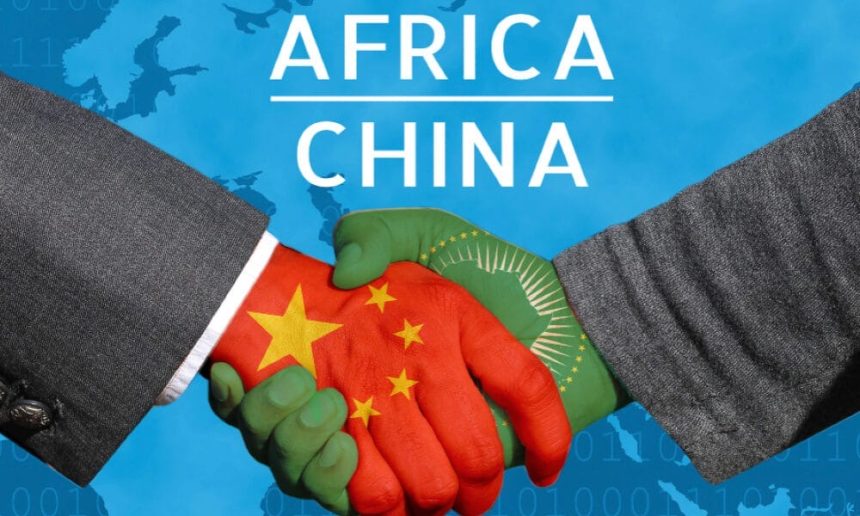
Mbadi also provided an update on Kenya’s bilateral debt profile. He confirmed that the central bank has assured his ministry of sufficient Chinese currency reserves to service loans from China. These loans were previously converted from U.S. dollars into yuan. The Chinese currency is now formally part of the central bank’s reserves. This addresses a key concern about Kenya’s ability to meet its obligations to its largest bilateral creditor. Additionally, the minister announced the government will invite offers for a strategic investor in national carrier Kenya Airways. This privatization effort is part of broader reforms to reduce the fiscal burden of state-owned enterprises.
Strategic Debt Management and Eurobond Market Conditions
The potential Kenya Eurobond issuance reflects a shift toward strategic liability management. In recent years, Kenya has actively bought back portions of its 2024 and 2027 Eurobonds to smooth maturities and build investor confidence. A new issuance would likely target the 2028 or 2032 maturities. Global market conditions have improved since the turbulence of 2023-2024. Emerging market bond spreads have narrowed, and investor appetite for African sovereign debt has recovered. Mbadi’s comments suggest the treasury is monitoring windows of opportunity. A successful issuance would demonstrate market confidence in Kenya’s economic trajectory and provide a benchmark for future private sector borrowing. It would also pre-finance upcoming obligations, reducing vulnerability to sudden market closures.
Chinese Yuan Reserves and Bilateral Debt Management
The confirmation that Chinese yuan is now part of Kenya’s reserve assets is significant. It signals deepening financial cooperation with Beijing and practical management of Kenya’s large infrastructure debt to China. Previously, there were concerns that Kenya would face currency conversion challenges to service yuan-denominated loans. By holding yuan directly, the central bank eliminates exchange rate risk and ensures timely payments. This arrangement may become a model for other heavily indebted African nations seeking to manage their Chinese debt obligations. It also reflects China’s growing influence in global reserve currency composition, though the yuan still represents a small fraction of total Kenyan reserves compared to dollars.
Kenya Airways Privatization Plans
The renewed push to find a strategic investor for Kenya Airways is part of a long-running effort to restructure the persistently loss-making national carrier. The airline has required repeated government bailouts and its debt burden weighs heavily on public finances. Previous privatization attempts have failed due to valuation disagreements, labor opposition, and unfavorable market conditions. The current global aviation recovery may create a more conducive environment. Potential investors could include other airlines, private equity firms, or sovereign wealth funds. A successful transaction would reduce fiscal contingent liabilities and signal the government’s commitment to commercializing state assets. However, negotiations will be complex, requiring difficult trade-offs between national pride, job protection, and financial viability.
Economic Context and Fiscal Challenges
Kenya’s economy has demonstrated resilience despite global headwinds and domestic fiscal pressures. Growth remains moderate, inflation is moderating, and the shilling has stabilized after a sharp depreciation in 2023-2024. However, public debt remains elevated at around 70% of GDP, and revenue mobilization continues to lag. The government is implementing a multi-year fiscal consolidation plan focused on broadening the tax base and rationalizing expenditures. The potential Kenya Eurobond issuance must be balanced against this consolidation narrative. Investors will scrutinize whether new borrowing is for genuine liability management or a delay of necessary fiscal adjustment. Mbadi’s framing as “liability management” is deliberate, signaling prudence rather than profligacy.
Outlook and Investor Sentiment
The announcement will be closely watched by Kenya’s international creditors and credit rating agencies. A successful Eurobond transaction in 2026 would reinforce Kenya’s market access credentials. It would follow other frontier African issuers like Benin, Ivory Coast, and Senegal that have recently returned to international markets. However, global financial conditions remain uncertain. U.S. interest rate trajectories and geopolitical risks could rapidly shift investor sentiment. Therefore, the treasury is wise to prepare but not rush. The Kenya Eurobond consideration demonstrates that the government is actively managing its debt profile rather than passively awaiting maturity pressures. Combined with the yuan reserve confirmation and privatization plans, it paints a picture of an administration taking proactive, if incremental, steps to address longstanding fiscal vulnerabilities. The coming months will reveal whether these plans translate into executed transactions and tangible improvement in Kenya’s debt sustainability metrics.