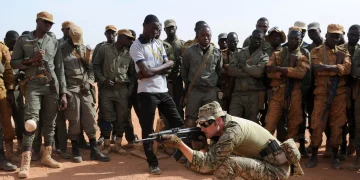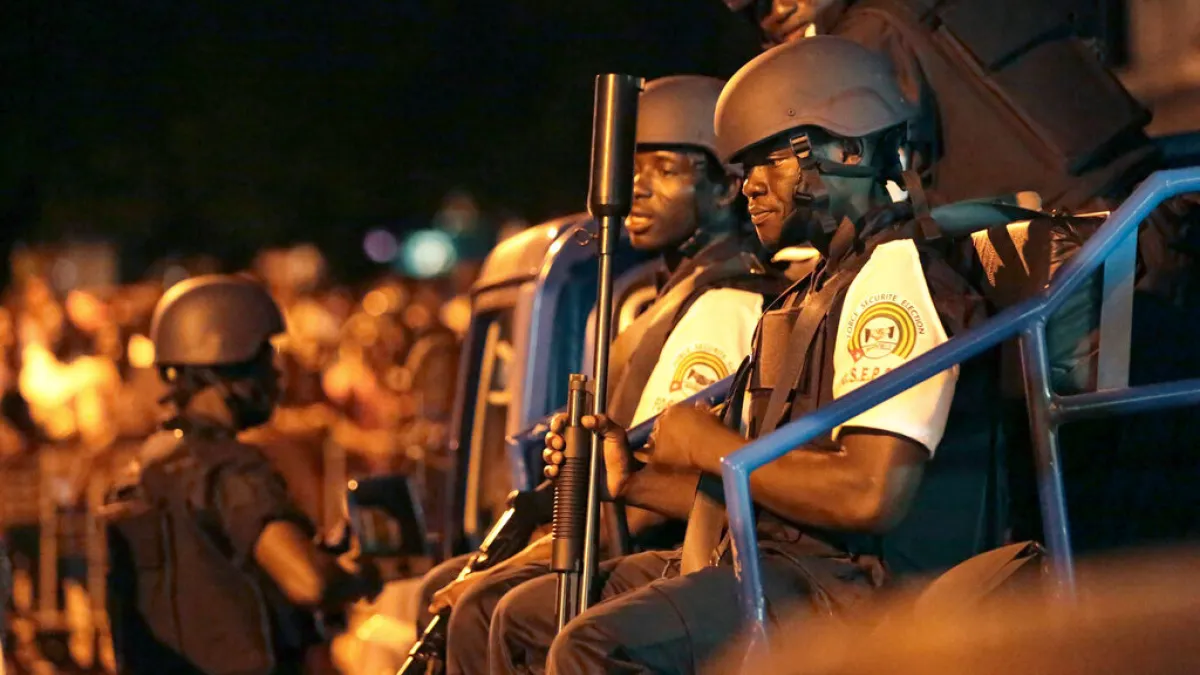
Togo Al Qaeda attacks have left over 60 people dead, including 54 civilians and 8 soldiers, marking a new phase of extremist violence in the West African nation. The country’s foreign minister, Robert Dussey, confirmed these figures in a rare statement to Reuters, acknowledging 15 attacks in 2025 alone.
The militant group Jama’a Nusrat ul-Islam wa al-Muslimin (JNIM), which has ties to Al Qaeda, is believed to be behind the assaults. Northern Togo, which borders Burkina Faso, has increasingly come under threat as violence from the Sahel spreads southward.
Togo, once considered relatively stable in the region, now finds itself confronting a growing insurgency. Over the past year, jihadist groups linked to both Al Qaeda and Islamic State have ramped up operations in coastal West African nations. Security experts warn that if left unchecked, this could destabilize the entire Gulf of Guinea.
The rise of jihadist activity coincides with a strategic shift in the region. Following coups in Burkina Faso, Mali, and Niger, those governments have severed ties with Western allies and aligned more closely with Russia. This power realignment has weakened coordinated efforts to combat extremist groups.
The Togo Al Qaeda attacks also reflect a broader trend of regional volatility, with extremist factions expanding their territory, exploiting local grievances, and targeting under-secured areas. As Western presence shrinks, countries like Togo face the burden of confronting insurgency alone.
While the government continues to bolster military presence and intelligence operations in the north, the attacks highlight persistent vulnerabilities. Regional leaders are calling for joint security frameworks and increased intelligence sharing to address the cross-border nature of the threat.
With elections approaching in several West African nations, the stakes are high. Without decisive regional cooperation, the threat of terrorism could grow even more entrenched, putting lives, economies, and governance at risk.