The US government has announced the suspension of all assistance to Somalia after allegations surfaced that Somali officials destroyed a UN World Food Programme (WFP) warehouse and unlawfully seized donor-funded food aid. The decision is a significant blow to humanitarian efforts in a country already facing severe hunger crises, with over 4 million people affected by conflict, drought, and food shortages.
A Zero-Tolerance Stance on Aid Misuse
The US State Department took a firm stance, stating that the Trump administration’s zero-tolerance policy for waste, theft, and diversion of aid would lead to the suspension. The allegations involve 76 tonnes of food aid that were intended for the most vulnerable populations in Somalia, primarily those struggling with food insecurity.
“We cannot allow this to continue,” a US official said in a statement. “Reports show food aid intended for Somali citizens being seized unlawfully, and this is unacceptable.” The US, which has been the largest donor to the World Food Programme (WFP) — contributing a significant portion of the agency’s funding — emphasized that any resumption of aid would depend on Somalia’s accountability and corrective actions.
The Implications of the Suspension
This suspension has further strained relations between Washington and Mogadishu. For years, the US has been a major partner in Somalia’s recovery from decades of civil war and drought. However, this move comes on the heels of several diplomatic tensions, including President Trump’s controversial comments about Somali migrants and a dispute over Somaliland’s recognition by Israel, a move that Somalia has strongly opposed.
Despite the suspension, the US remains the largest contributor to WFP operations globally. The halt in funding will significantly impact Somalia, where humanitarian aid has been essential in alleviating widespread food insecurity and providing relief in a country marked by continued violence and instability.
The Ongoing Hunger Crisis in Somalia
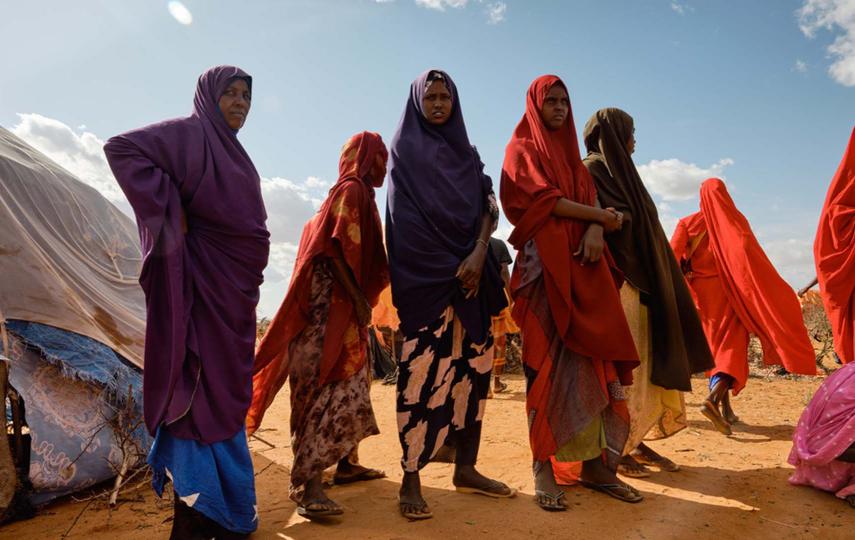
Somalia, which has long battled al-Qaeda-linked militants and a complex political situation, is facing its worst hunger crisis in years. According to WFP statistics, 4.6 million people in Somalia are currently facing crisis levels of hunger due to ongoing conflict, high food prices, and flooding.
The aid that was seized was meant to provide relief to people suffering from these harsh conditions, but now, with the suspension of US support, millions are left vulnerable, particularly with ongoing droughts exacerbating food shortages. The WFP’s efforts to address hunger may be further delayed as Somalia works to navigate the political fallout from this issue.
Challenges in the US-Somalia Relationship
The US-Somalia relationship has been marred by political tensions, especially following Trump’s harsh rhetoric about Somali migrants and US immigration policy. In November 2025, Trump publicly criticized Somali migrants in the US, adding fuel to the fire in an already strained relationship. On top of this, Somali officials have faced accusations of mishandling humanitarian aid, making it clear that there are still numerous challenges in maintaining a productive partnership between the two countries.
The Path Forward: Accountability and Reforms Needed
The US has made it clear that resuming assistance will be contingent on Somali officials taking full responsibility for the seizure of aid and implementing effective reforms. However, the path to resolution remains unclear, as Somalia has yet to publicly comment on the allegations.
For now, the people of Somalia face a dire situation, with over 4 million people needing urgent aid. The international community will continue to watch closely to see if the Somali government can address these issues and restore US support before the humanitarian situation worsens further.