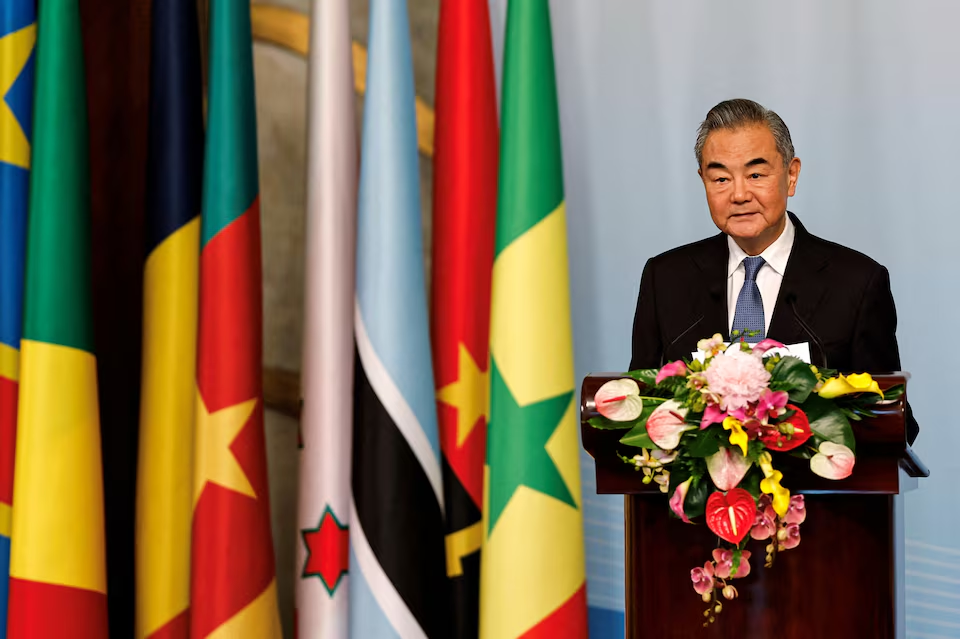
Chinese Foreign Minister Wang Yi has pledged to deepen strategic cooperation with Ethiopia. During a meeting with Prime Minister Abiy Ahmed in Addis Ababa, Wang called for enhanced collaboration in infrastructure, green industry, and the digital economy. This high-level discussion underscores the growing strategic partnership between China and Ethiopia, a cornerstone of Beijing’s engagement in Africa.
Strengthening an “All-Weather” Partnership
Wang Yi, on his annual New Year diplomatic tour of Africa, emphasized China’s commitment to strengthening ties. He stated China’s willingness to enhance alignment of development strategies with Ethiopia. The goal is to elevate the nations’ “all-weather strategic partnership” to new heights. This terminology signifies a relationship designed to endure regardless of changing international circumstances. For Ethiopia, a key East African economy, this partnership brings vital investment and diplomatic support.
Key Sectors for Enhanced Collaboration
The Chinese Foreign Ministry outlined several priority areas for future Sino-Ethiopian cooperation:
- Infrastructure: Continuing major investments in transportation, energy, and urban development under frameworks like the Belt and Road Initiative (BRI).
- Green Industry: Collaborating on renewable energy projects and sustainable manufacturing.
- Digital Economy: Expanding partnerships in telecommunications, e-commerce, and digital governance.
These sectors align with Ethiopia’s domestic development goals and China’s broader economic interests in Africa. For context on China’s African strategy, see the Council on Foreign Relations backgrounder.
The Context of Wang Yi’s African Tour
Wang Yi’s visit to Ethiopia is part of a long-standing diplomatic tradition. For over three decades, China’s foreign minister has chosen Africa for their first overseas trip each year. This symbolic diplomatic priority reinforces Beijing’s message that Africa is central to its foreign policy. The tour typically focuses on strengthening political ties, reviewing ongoing projects, and announcing new cooperation frameworks.
Ethiopia’s Strategic Importance
Ethiopia holds particular significance as the headquarters of the African Union and a major BRI participant. The country is a crucial gateway for Chinese influence in the Horn of Africa. Despite internal challenges, it remains one of Africa’s largest economies and populations. Therefore, maintaining strong political and economic cooperation with Ethiopia is a strategic imperative for China. Our analysis on China’s Belt and Road in Africa explores this dynamic further.
The Broader Implications for Africa-China Relations
This meeting reflects the evolving nature of China-Africa cooperation. While infrastructure loans and construction remain central, the focus is broadening. New areas like digital technology, aerospace, and green energy are becoming prominent. This shift responds to African nations’ development aspirations and global trends. It also allows China to deploy its technological expertise abroad.
Balancing Debt and Development
A critical backdrop to these talks is Ethiopia’s debt burden, part of which is owed to Chinese lenders. Discussions likely included navigating this complex issue. China often combines pledges of new cooperation with discussions on debt management, aiming to ensure projects are sustainable and partnerships remain resilient.
A Partnership Poised for Growth
The meeting between Wang Yi and Abiy Ahmed reaffirms a robust bilateral relationship. The pledge to deepen cooperation in transformative sectors like green and digital industries points to a forward-looking partnership. For Ethiopia, Chinese engagement offers capital and technology for its development agenda. For China, Ethiopia represents a stable, influential partner in a volatile region. As Wang Yi’s tour continues, this meeting sets a tone of enduring strategic alignment between China and one of Africa’s most pivotal nations.