UNAids: Millions of Lives at Risk as US Cuts Funding to Global HIV Programs
The head of UNAids, Winnie Byanyima, has issued a grave warning that millions could die if the US does not reverse its decision to halt funding for global HIV treatment and prevention efforts.
Speaking from Geneva, Byanyima said the suspension of foreign aid by the US will result in an estimated 2,000 new HIV infections daily and over 6 million preventable deaths in the next four years. The move, she said, threatens to undo two decades of progress in the fight against HIV/AIDS.
Aid Suspension Impacting Lives Across Africa and Beyond
On his first day in office, President Donald Trump paused all foreign aid for a 90-day review, including funds managed by the US Agency for International Development (USAID). Since then, most USAID programs have been terminated, with major US-funded HIV services facing shutdowns.
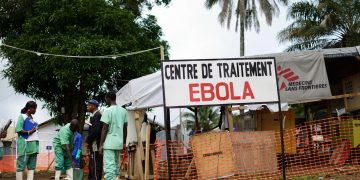
The resulting closures of clinics and shortages of anti-retroviral (ARV) drugs are affecting countries like Kenya, Nigeria, South Sudan, Lesotho, Mali, Burkina Faso, Haiti, and Ukraine, all at risk of running out of essential HIV medication, according to the World Health Organization (WHO).
Women, Children, and Frontline Workers Among the Worst Hit
Byanyima cited the story of Juliana, a Kenyan mother living with HIV who lost her job and access to treatment after a US-funded mother-and-child HIV support program was halted.
“These sudden funding cuts disproportionately hurt women and children, especially in low-income countries where US support has been a lifeline,” she said.
Despite acknowledging the US’s long history of global health leadership, Byanyima criticized the abrupt withdrawal rather than a phased reduction, warning it was having a catastrophic humanitarian impact.
Call for Reversal and Opportunity for US Innovation
UNAids has received no indication that the US will reverse its stance. European donors have also signaled upcoming cuts, leaving no clear replacement for America’s massive funding role.
Byanyima urged Washington to reconsider and even proposed a mutually beneficial solution: expanding access to the new long-acting ARV injection Lenacapavir, made by US firm Gilead. She suggested a deal that could help 10 million people globally while also generating profits and jobs in the US.
Wider UN Agencies Face Cuts Too
UNAids is not alone. Other UN agencies are facing similar crises:
- UNHCR may cut 6,000 jobs.
- UNICEF says child survival efforts are at risk.
- The World Food Programme has reduced rations in famine-stricken regions.
WHO Director-General Dr. Tedros Adhanom Ghebreyesus echoed the alarm, warning that the disruption could reverse 20 years of health progress and leave millions vulnerable