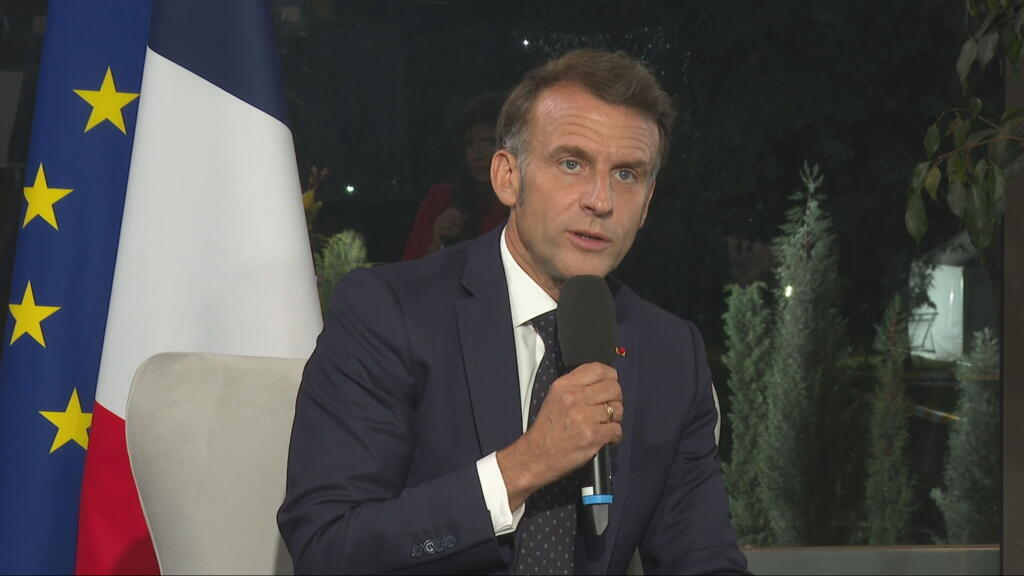
Emmanuel Macron arrived in Nairobi with a message aimed at reshaping France’s relationship with Africa after years of declining political and military influence across the continent.
At the Africa Forward Summit held at the Kenyatta International Convention Centre, Emmanuel Macron announced €23 billion ($27 billion) in investment commitments targeting African infrastructure, agriculture, energy transition and artificial intelligence.
The summit, co-hosted with Kenyan President William Ruto, marked the first time France organized a major Africa-focused summit in an English-speaking African country instead of a traditional Francophone ally.
That decision alone reflected a broader strategic shift.
For decades, France maintained its strongest African influence in former colonies across West and Central Africa. But military withdrawals, political tensions and rising anti-French sentiment have significantly weakened Paris’ standing in several countries, particularly in the Sahel region.
Macron’s Nairobi summit represented his most ambitious attempt yet to rebuild France’s African strategy around investment partnerships rather than military or aid-based relationships.
Emmanuel Macron Announces €23 Billion Investment Commitments
The investment framework announced by Emmanuel Macron combines commitments from both French and African investors.
French public and private sector institutions pledged approximately €14 billion ($16.4 billion) toward African-focused investments and financing structures.
African investors, entrepreneurs and institutional capital pools committed another €9 billion ($10.5 billion), creating what Macron described as a co-investment model rather than a traditional donor-recipient arrangement.
The financing targets three strategic sectors:
- Energy transition
- Agriculture
- Artificial intelligence
Macron said the investments could support approximately 250,000 jobs across France and Africa over the coming years.
The summit attracted leaders and delegates from more than 30 countries alongside major executives from multinational corporations operating across Africa.
Among those attending were Aliko Dangote and executives linked to major French companies including TotalEnergies, Orange and CMA CGM.
One of the largest individual corporate announcements came from CMA CGM, which committed approximately €700 million ($820 million) toward modernization projects at the Port of Mombasa.
The investment is expected to strengthen logistics infrastructure at East Africa’s busiest maritime gateway.
France Is Shifting From Aid to Investment
A central theme of Emmanuel Macron’s Nairobi speech was the idea that Africa-France relations must move beyond aid dependency.
Macron repeatedly emphasized co-investment, economic partnership and mutual growth instead of traditional development assistance models.
“The days of assistance are behind us,” Macron told delegates during summit discussions, framing the future relationship as one based on shared economic interests.
The French president also called on African business leaders and investors to expand investments into France itself, signaling a desire for a more balanced economic partnership.
That message reflected growing recognition in Paris that traditional French engagement strategies in Africa are losing effectiveness.
For years, France relied heavily on political influence, military cooperation and development aid to maintain strong ties across Africa.
However, several African governments have increasingly challenged or reduced French influence in recent years.
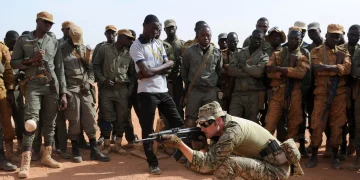
Military governments in Mali, Burkina Faso and Niger pushed French troops out of their territories following political disputes and rising nationalist sentiment.
France’s broader Sahel strategy effectively collapsed after years of security instability and deteriorating diplomatic relations.
Macron’s Nairobi summit appeared designed to replace that model with one centered around trade, investment and economic cooperation.
Read Also: EU Pushes Back on Trump’s Latest Tariff Threats, But He Backs Down
Emmanuel Macron Faces Rising Competition in Africa
France’s declining influence in Africa has coincided with expanding competition from other global powers.
China remains Africa’s largest bilateral infrastructure financier, while Gulf states, Turkey, India, Russia and the United States have all increased engagement across the continent.
African governments now have more diplomatic and economic alternatives than at any point since independence.
That shift has weakened France’s historical leverage.
Analysts say Emmanuel Macron is attempting to reposition France as a modern economic partner capable of competing in a rapidly evolving geopolitical environment.
By focusing on investment partnerships instead of historical ties, France hopes to appeal to a younger generation of African political and business leaders.
The summit’s emphasis on artificial intelligence and digital infrastructure reflected that repositioning strategy.
Macron described Africa as one of the world’s most important future growth markets for technology, innovation and digital transformation.
France is attempting to position itself as an alternative technology and investment partner between the United States and China.
The strategy also aligns with broader European concerns about losing economic influence in Africa to competing powers.
Kenya Emerges as Strategic East African Partner
The decision to host the summit in Nairobi highlighted Kenya’s growing strategic importance for European engagement in Africa.
Kenya has increasingly positioned itself as a regional hub for finance, logistics, diplomacy and technology.
President William Ruto used the summit to reinforce Kenya’s ambitions as a gateway for international investment into East Africa.
Ruto echoed Macron’s calls for a shift away from dependency-driven relationships.
“We should no longer think in terms of aid and loans, but rather investment and what Africa has to offer,” Ruto said during summit proceedings.
Kenya and France also signed bilateral agreements focused on digital infrastructure and connectivity projects.
Analysts say Kenya’s relatively stable political environment, strong banking system and regional transport networks make it an attractive base for European companies seeking African expansion.
The country has also emerged as a major diplomatic and security partner for Western governments operating in East Africa.
Military Withdrawals Still Shape France’s Africa Policy
Although the summit focused heavily on economics, the political and military context remained unavoidable.
France’s military presence across parts of Africa has contracted sharply over the last several years.
French forces withdrew or reduced operations in several Sahel countries after military-led governments criticized Paris’ role in regional security operations.
Anti-French demonstrations became increasingly common in parts of West Africa, reflecting broader frustrations tied to colonial history, economic influence and military interventions.
A month before the Nairobi summit, approximately 800 French soldiers reportedly arrived in Kenya aboard a naval vessel, highlighting a broader shift toward East African security engagement.
Analysts say France increasingly views East Africa as a more stable and cooperative strategic region compared to parts of the Sahel.
The Nairobi summit therefore carried both economic and geopolitical significance.
Emmanuel Macron Addresses Colonial Legacy
Ahead of the summit, Emmanuel Macron also addressed longstanding debates surrounding France’s colonial history in Africa.
In remarks to media outlets before arriving in Nairobi, Macron said both colonial legacies and post-independence governance failures must be acknowledged when discussing Africa’s development trajectory.
The French president also highlighted ongoing efforts to return African artworks looted during colonial rule.
France recently passed legislation designed to facilitate the restitution of cultural artifacts to African countries.
The issue has become increasingly important in broader diplomatic discussions between European and African governments.
Macron described the return of cultural artifacts as part of an “unstoppable” process aimed at building a more balanced relationship with Africa.
Private Capital Now Drives France’s African Strategy
One important detail behind the $27 billion headline figure is that most of the announced commitments involve private sector financing rather than direct French government funding.
France’s own development assistance budget has faced multiple cuts in recent years.
French aid spending is projected to fall significantly below previously announced national targets.
That reality means France increasingly depends on corporations, private investors and institutional partnerships to maintain economic engagement in Africa.
The Nairobi summit reflected that shift.
Rather than relying on state-led development financing, Macron’s strategy centers on mobilizing corporate investment, infrastructure partnerships and joint financing platforms.
That approach reduces direct financial exposure for the French government while placing more responsibility on private sector execution.
Emmanuel Macron Bets on a New Africa-France Relationship
The broader question following the summit is whether Emmanuel Macron’s strategy can successfully reverse years of declining French influence.
Africa’s economic importance continues growing rapidly due to population expansion, urbanization and infrastructure demand.
However, African governments and businesses increasingly expect relationships built on mutual economic value rather than political dependency.
Macron’s Nairobi summit represented an attempt to align France with that new reality.
The emphasis on co-investment, digital infrastructure and industrial partnerships reflects a recognition that Africa’s next phase of growth will likely be driven by private capital, technology and regional trade integration.
Whether France can successfully reposition itself within that changing landscape remains uncertain.
But the scale of the Nairobi summit showed that Paris now recognizes the urgency of the challenge.
Read Also: Emmanuel Macron Net Worth
Why This Matters
Emmanuel Macron’s Nairobi summit highlighted a major turning point in France’s Africa strategy.
The shift from aid and military influence toward investment partnerships reflects broader geopolitical changes reshaping Africa’s relationships with global powers.
The summit also demonstrated Africa’s growing leverage as governments and investors increasingly compete for influence across the continent’s rapidly expanding markets.
What Happens Next
Attention will now turn to whether the announced investment commitments translate into concrete projects and financing deals.
Infrastructure investments, AI partnerships and trade agreements linked to the summit are expected to move into implementation discussions over the coming months.
Analysts will also monitor whether France’s investment-focused approach improves its standing across Africa following years of declining political influence.