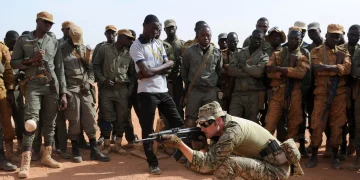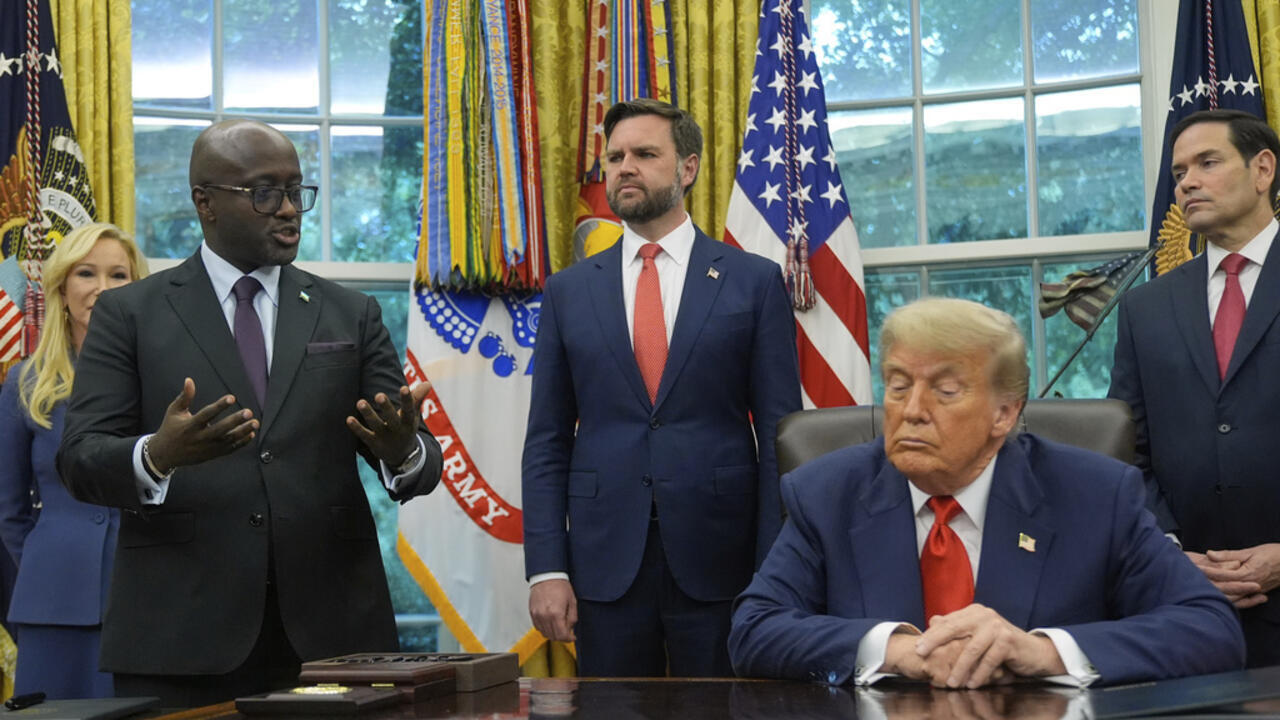
In a significant diplomatic development, Trump peace deal signing is set to take place in Washington, bringing together the leaders of DR Congo and Rwanda. This summit aims to end years of conflict between the two countries. However, despite the optimism surrounding the event, several challenges remain, as both nations continue to grapple with underlying tensions and military confrontations in eastern DR Congo.
Background of the Trump Peace Deal Signing
The Trump peace deal signing follows months of diplomatic efforts to address the crisis. In previous negotiations, DR Congo’s President Felix Tshisekedi and Rwanda’s President Paul Kagame have publicly blamed each other for the ongoing conflict. The US has played a central role in facilitating these talks, hoping that a resolution will unlock opportunities for US investments in the resource-rich region. However, with the M23 rebel group still holding territory in eastern DR Congo, some analysts remain skeptical about the deal’s long-term success.
Key Points of the Peace Agreement
The Trump peace deal signing will include key provisions like the disarmament of the FDLR militia and the withdrawal of Rwandan troops from DR Congo’s eastern regions. Both nations have expressed a commitment to these terms, but historical challenges surrounding previous agreements cast doubt on their viability. Additionally, the M23 rebel group has not yet agreed to the deal, and its involvement in peace talks is still uncertain.
Challenges to Long-term Peace
Despite the Trump peace deal signing, obstacles remain in achieving lasting peace. The M23 continues to expand its control in DR Congo, and the demand for Rwandan troop withdrawal remains a contentious issue. Furthermore, both countries have competing interests in the region’s valuable natural resources, and balancing these will be crucial to any lasting resolution.
While the Trump peace deal signing marks a crucial step in improving relations between DR Congo and Rwanda, much work remains to be done. The US’s involvement in this process highlights its interest in stabilizing the region, but whether this agreement leads to genuine peace is still uncertain.