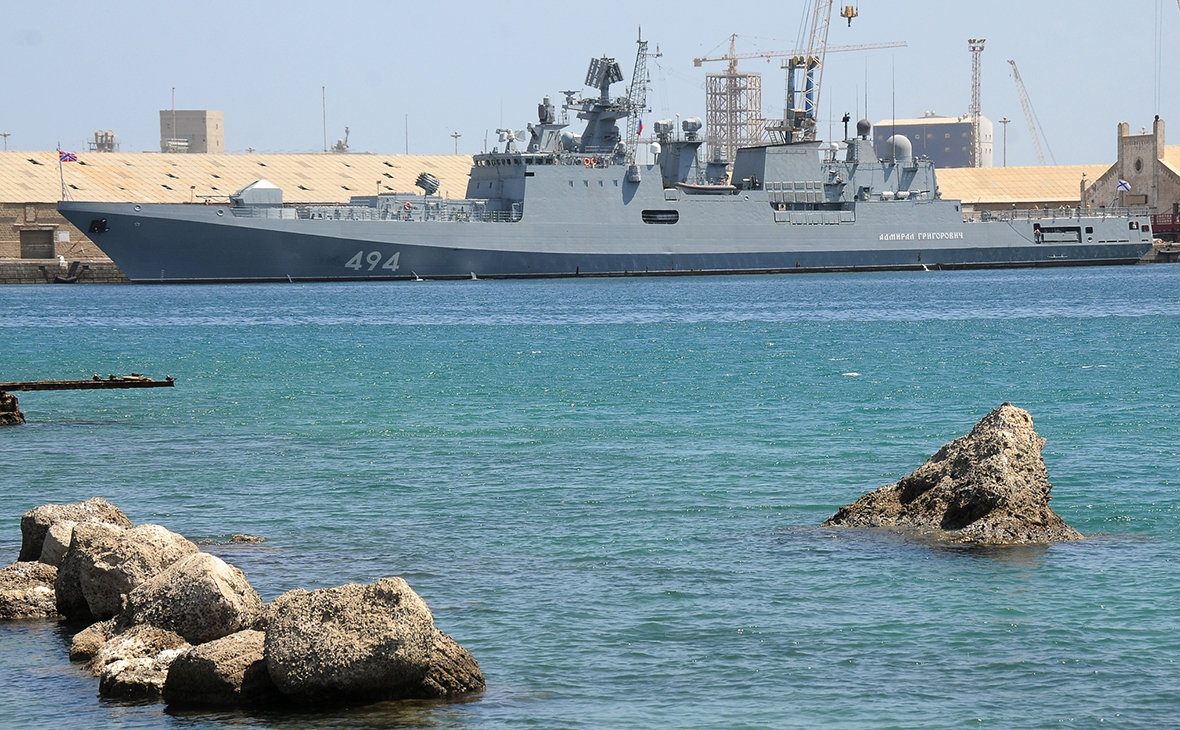
Sudan offers Russia its first naval base in Africa, a strategic move that could reshape geopolitical dynamics in the region. This agreement, confirmed by Sudanese officials, would grant Moscow an unprecedented military and logistical perch overlooking the vital Red Sea trade routes. Consequently, this development marks a significant shift in Africa’s strategic landscape and presents a direct challenge to Western influence in these crucial waters.
The Strategic Significance of the Red Sea
The Red Sea is one of the world’s most critical maritime corridors. It serves as the primary conduit for shipping between Europe and Asia via the Suez Canal. Therefore, controlling a port along its coast offers immense strategic value for power projection, intelligence gathering, and influencing global trade.
A Foothold in a Contested Region
For Russia, securing a naval base in Africa, particularly on the Red Sea, has long been a strategic objective. It fulfills a need for sustained maritime presence outside the Black Sea and Mediterranean. This base would allow the Russian Navy to rearm, refit, and station warships permanently in a region where U.S., European, and Chinese interests are increasingly active. It provides a platform not just for regional influence, but for operations extending into the Indian Ocean and the Horn of Africa.
Undermining Western Strategic Goals
This move directly counters persistent U.S. and allied efforts to limit rival military access to African ports. Western strategy has aimed to prevent competitors from establishing positions where they could potentially choke off trade routes or conduct military coercion. Sudan’s offer represents a clear setback to that policy and reflects Russia’s deepening diplomacy with African nations under military rule, often in exchange for political backing and security assistance.
Details and Implications of the Sudan-Russia Deal
While the final agreement is pending, the framework of such a deal carries immediate and long-term consequences for regional and global security.
Logistics and Military Enhancement
A permanent base would dramatically enhance Russia’s operational stamina. Instead of relying on long-distance deployments or vulnerable supply chains, Russia could maintain a constant naval presence. This enables quicker response times to regional crises and provides a secure hub for intelligence, surveillance, and reconnaissance (ISR) missions across Northeast Africa and the Arabian Peninsula.
Shifting Alliances and Sovereignty
The deal underscores Sudan’s foreign policy pivot away from Western partners. Since the 2021 coup, the ruling military government has sought allies that offer unconditional support. Russia, through the Wagner Group and state diplomacy, has positioned itself as that partner. In exchange for port access, Sudan likely seeks military hardware, economic investment, and political protection in international forums. However, hosting a foreign naval base also involves ceding a degree of national sovereignty, raising long-term questions about Sudan’s autonomy.
Global Reactions and Strategic Responses
The prospect of a Russian naval base on the Red Sea will undoubtedly trigger calculated responses from other global powers.
NATO and U.S. Strategic Recalculations
For NATO and the United States, this development compounds existing security concerns. It comes amid increased Russian intrusions into allied airspace and maritime zones, testing Western defense readiness. The permanent stationing of Russian warships in the Red Sea will force a reassessment of naval patrol patterns, contingency plans for securing sea lanes, and engagement strategies with Sudan and neighboring countries like Egypt and Saudi Arabia.
The Regional Power Calculus
Regional actors hold mixed views. While some Gulf states may view a Russian presence as a complicating factor, others might see it as a counterbalance to Iranian activity or Turkish ambitions. Conversely, African nations may interpret it as a model for leveraging strategic assets to gain great-power patronage. This could encourage similar agreements elsewhere, further internationalizing Africa’s security landscape.
A New Maritime Reality
If finalized, the Sudan-Russia base agreement will cement a new maritime reality. It signifies Russia’s most tangible advance in establishing a network of global strategic outposts, often described as a “string of pearls” akin to China’s strategy.
The enduring impact will depend on the base’s scale, the terms of access, and the durability of the current Sudanese regime. Nonetheless, the mere offer has already altered the strategic calculus. It highlights Africa’s coastlines as arenas of 21st-century great power competition and underscores the willingness of marginalized states to use their geography as a bargaining chip. The world is now watching to see if the Red Sea becomes the next flashpoint in this enduring contest for influence.