The Trump administration has announced the termination of Temporary Protected Status (TPS) for Somali nationals living in the United States, marking a significant change in immigration policy. TPS, a humanitarian program, has allowed individuals from countries experiencing conflict or disaster to remain in the U.S. without the threat of deportation. However, with this new decision, roughly 2,500 Somali immigrants will lose their work permits and legal status, starting on March 17. As a result, they will be at risk of deportation to Somalia, which has faced ongoing conflict and instability for years.
Homeland Security Secretary Kristi Noem defended the move, stating that conditions in Somalia have improved enough that it no longer meets the legal criteria for TPS. Noem emphasized that TPS is meant to be a temporary measure and that the decision was in the national interest of the United States. “Temporary means temporary,” Noem stated, reaffirming the administration’s focus on prioritizing American interests.
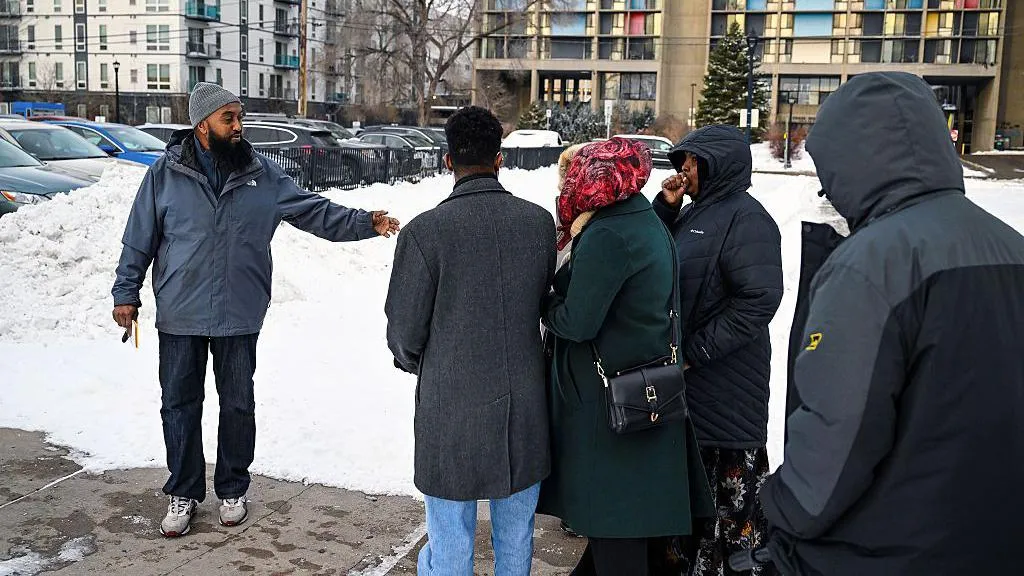
While the Trump administration contends that Somalia’s situation has stabilized, critics argue that the country remains unsafe, with continued violence and humanitarian challenges. Many in the Somali diaspora community, especially in states like Minnesota, fear that the decision will lead to family separations and hardships. Somali immigrants have long contributed to the local economy, and some believe that ending TPS will disrupt these communities, which are already facing pressure from immigration enforcement operations.
The decision also follows a broader push by the Trump administration to tighten immigration policies and remove protections for other nationalities, including those from Venezuela, Haiti, and Afghanistan. These efforts have been met with legal challenges, and the termination of TPS for Somalis is expected to be no different. Legal experts and advocacy groups argue that the decision undermines the spirit of TPS and could violate the rights of immigrants who have been living in the U.S. legally for years.
Local protests and increased immigration enforcement in areas with large Somali populations, such as Minnesota, have also sparked concern. In one high-profile incident, a federal immigration agent was involved in a fatal shooting during an operation, leading to further protests and calls for an end to what many see as heavy-handed enforcement tactics.
Despite the controversy, the Trump administration has insisted that the move is in line with U.S. law and will not be swayed by public pressure or legal challenges. As the March 17 deadline approaches, the future of Somali nationals under TPS remains uncertain, with legal battles likely to shape the final outcome of the policy shift.