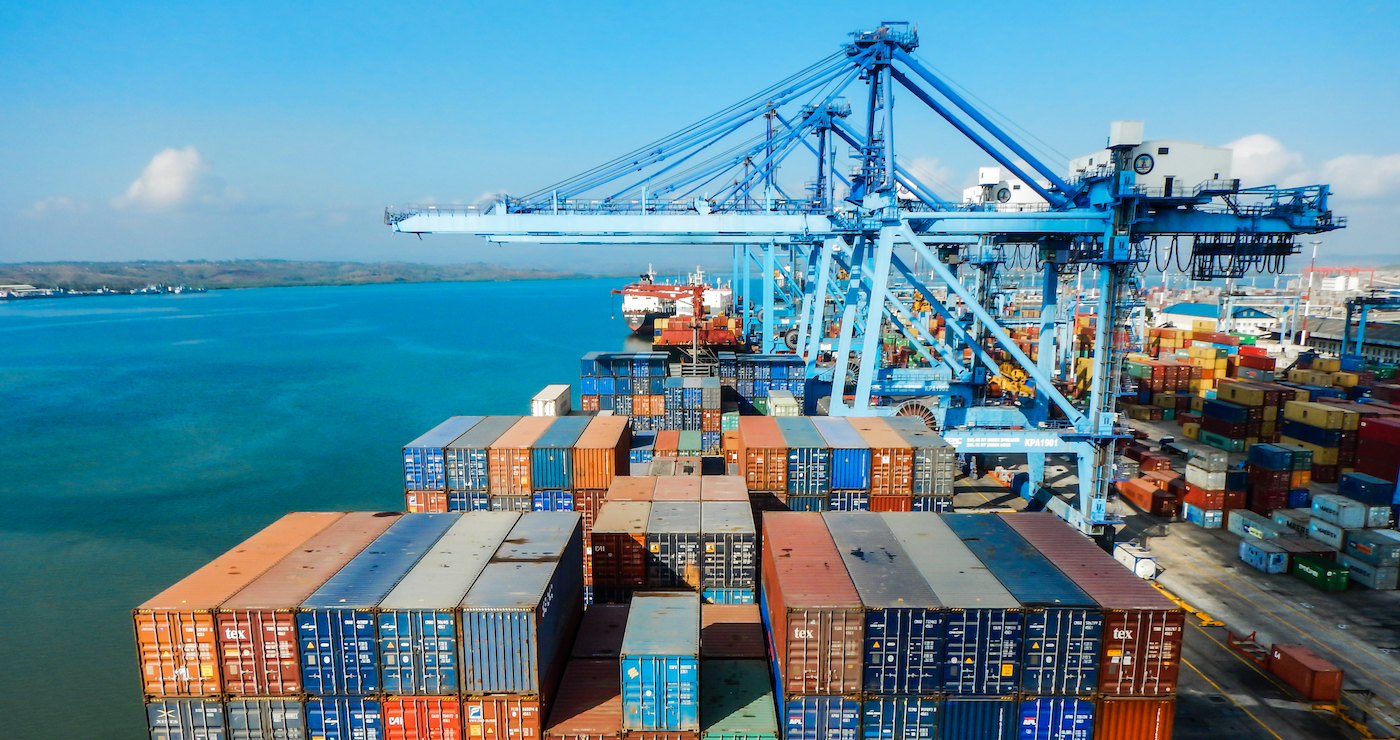
Shipping to Kenya has become easier and more reliable due to improved logistics networks, modern ports, and the growth of global e-commerce. Whether you are an individual importing personal items, a business sourcing goods from abroad, or an online seller shipping to Kenyan customers, understanding shipping costs, delivery times, and best practices is essential. Kenya’s strategic position in East Africa, supported by the Port of Mombasa and major airports, makes it a key logistics hub for the region.
This guide breaks down the main shipping methods to Kenya, what they cost, how long they take, and practical tips to avoid delays and unexpected charges.
Main Shipping Methods to Kenya
There are three primary ways to ship goods to Kenya: air freight, sea freight, and international courier services. Each option suits different budgets, timelines, and cargo sizes.
Air freight is the fastest option and is commonly used for urgent shipments, high-value goods, electronics, documents, and perishables. Cargo usually arrives through Jomo Kenyatta International Airport in Nairobi. While air freight is more expensive, it offers predictable delivery times and reduced risk of damage.
Sea freight is the most cost-effective method for large or bulky shipments. Goods are shipped to the Port of Mombasa, which serves Kenya and neighboring countries. Sea freight is ideal for vehicles, machinery, furniture, and wholesale goods. However, it takes longer and involves more documentation.
International courier services such as DHL, FedEx, and UPS are popular for small parcels and e-commerce orders. They offer door-to-door delivery, customs handling, and tracking, making them convenient for individuals and small businesses.
Shipping Costs to Kenya
Shipping costs to Kenya vary widely depending on the method used, the weight and size of the cargo, the country of origin, and additional fees such as customs duties and taxes.
Air freight costs are usually calculated per kilogram. On average, rates range from USD 5 to USD 12 per kg, depending on origin and urgency. Express air shipments cost more than standard air cargo but arrive faster.
Sea freight costs are based on container size or cubic meters. A 20-foot container to Mombasa can cost between USD 1,500 and USD 3,500, while a 40-foot container may range from USD 2,500 to USD 5,500. Shared containers, known as Less than Container Load (LCL), allow smaller shipments at lower costs but may involve consolidation delays.
Courier shipping costs depend on package weight, dimensions, and speed. Small parcels under 5 kg may cost between USD 40 and USD 120. While couriers seem expensive, their prices often include customs clearance services, which can save time and stress.
In addition to shipping fees, importers should budget for customs duty, Value Added Tax (VAT), the Railway Development Levy, and the Import Declaration Fee. These charges are calculated based on the customs value of the goods.
Shipping Times to Kenya
Delivery times depend heavily on the chosen shipping method.
Air freight typically takes 3 to 7 business days from major global hubs to Nairobi. Express air services may deliver within 2 to 4 days, while standard air cargo can take slightly longer due to consolidation and customs processing.
Sea freight usually takes 20 to 45 days. Shipments from Asia, especially China, average around 25 to 35 days. Shipments from Europe or the Middle East may arrive slightly faster, while those from the Americas often take longer.
Courier deliveries are generally the fastest for small packages. Most international couriers deliver to Nairobi and major towns within 3 to 6 business days, provided there are no customs delays.
Customs clearance can add extra time, especially if documentation is incomplete or if goods are flagged for inspection.
Customs Clearance in Kenya
All goods entering Kenya must be cleared through customs. This process is handled by the Kenya Revenue Authority and requires accurate documentation.
Key documents include a commercial invoice, packing list, bill of lading or airway bill, and an Import Declaration Form. Some goods also require special permits, such as electronics, food items, pharmaceuticals, or vehicles.
Duties and taxes must be paid before goods are released. Using a licensed clearing agent can speed up the process, especially for first-time importers.
Tips for Shipping to Kenya Successfully
Planning ahead is the most effective way to reduce costs and delays. Always compare shipping options before choosing a method, especially if time is flexible.
Accurate documentation is critical. Errors in invoices or missing paperwork are among the most common causes of delays at customs. Ensure product descriptions, values, and quantities are clear and truthful.
Understand restricted and prohibited items. Kenya restricts or regulates items such as used tires, certain electronics, agricultural products, and counterfeit goods. Shipping prohibited items can lead to confiscation or fines.
Use reputable shipping companies and clearing agents. Experienced providers understand local regulations and can guide you through the process smoothly.
Track your shipment regularly. Most carriers provide tracking tools that help you anticipate arrival dates and prepare for customs clearance in advance.
Shipping for Businesses and E-commerce
For businesses, especially online sellers, reliable shipping to Kenya can be a competitive advantage. Many companies now use fulfillment partners or regional warehouses to reduce delivery times. Bulk shipping via sea freight combined with local distribution often lowers long-term costs.
Clear communication with customers about delivery times and import taxes also builds trust and reduces disputes.
Final Thoughts
Shipping to Kenya is straightforward when you understand the costs, timelines, and procedures involved. Air freight offers speed, sea freight provides affordability for large shipments, and courier services deliver convenience for small parcels. By choosing the right shipping method, preparing accurate documents, and working with reliable logistics partners, you can ensure your goods reach Kenya safely and efficiently.
With Kenya’s growing role in regional trade and global e-commerce, mastering the shipping process is an important step for individuals and businesses alike.