Biggest Airlines in Africa
Below is a detailed look at the biggest airlines in Africa, highlighting their scale, reach, and importance to the continent’s air transport ecosystem.
Africa’s aviation industry plays a critical role in connecting the continent’s vast geography to global markets. While many African airlines face challenges such as high operating costs, fuel price volatility, and infrastructure gaps, a few carriers have grown into major regional and international players. These airlines stand out based on fleet size, passenger numbers, route networks, and overall influence in African and global aviation.
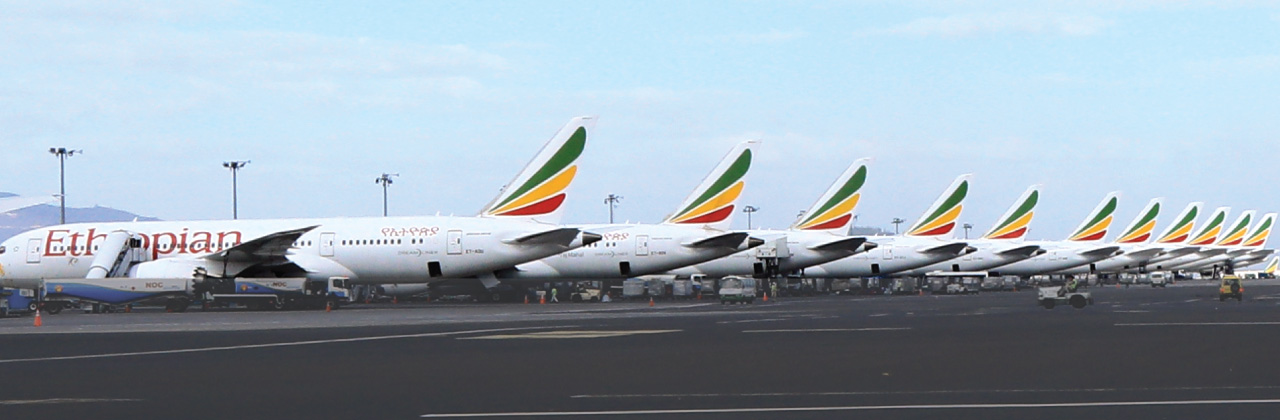
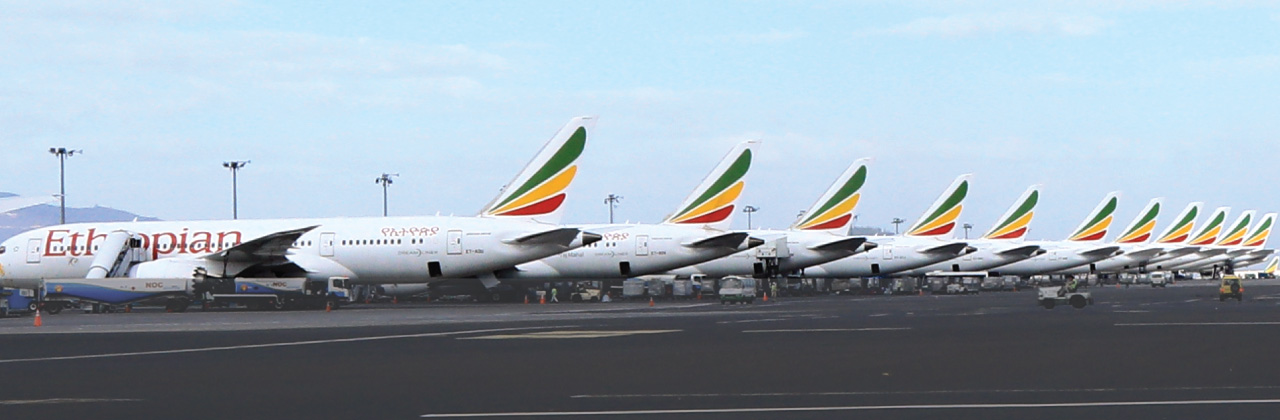
Ethiopian Airlines
Ethiopian Airlines is the largest and most successful airline in Africa by nearly every metric. Founded in 1945, the airline has built an extensive network covering Africa, Europe, Asia, the Middle East, and the Americas. Its hub at Addis Ababa Bole International Airport has become one of the busiest and most efficient transit points on the continent.
Ethiopian Airlines operates a modern fleet of over 130 aircraft, including Boeing 787 Dreamliners, Airbus A350s, and Boeing 737s. The airline consistently records the highest passenger volumes in Africa and is a leading cargo carrier as well. Its strong government backing, disciplined management, and heavy investment in training and maintenance have allowed it to remain profitable even when many global airlines struggle.
EgyptAir
EgyptAir is one of Africa’s oldest airlines, established in 1932. Based in Cairo, it serves as a major link between Africa, the Middle East, Europe, and Asia. EgyptAir is a member of the Star Alliance, giving it access to a vast global partner network.
The airline operates a fleet of more than 70 aircraft, mainly Airbus A320, A330, and A220 models, alongside Boeing wide-body jets. EgyptAir carries millions of passengers annually and plays a key role in supporting Egypt’s tourism industry. Despite periods of financial difficulty, the airline remains one of Africa’s largest carriers by fleet size and international destinations.

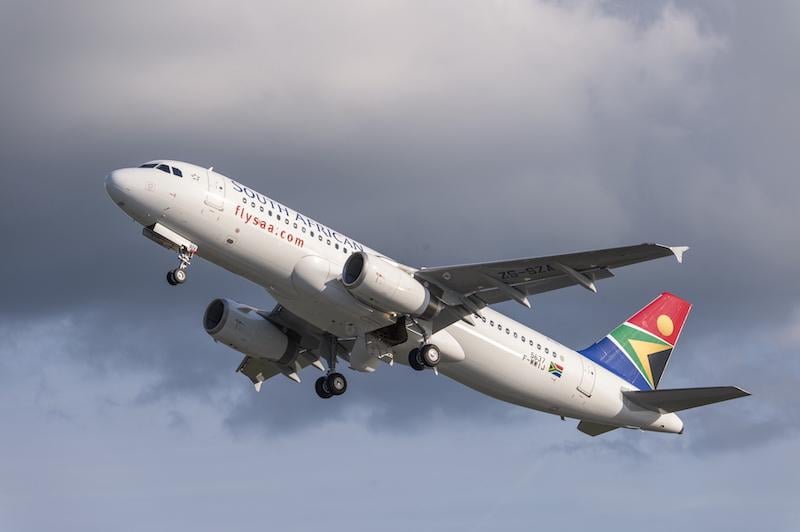
South African Airways
South African Airways has historically been one of the continent’s most prominent airlines. Founded in 1934, it once operated a vast intercontinental network connecting Africa to Europe, North America, Asia, and Australia.
Although South African Airways has faced severe financial challenges and restructuring in recent years, it remains one of the biggest names in African aviation. Its fleet is smaller than in the past, but the airline continues to rebuild its route network from its hub at Johannesburg’s OR Tambo International Airport. The brand still carries significant influence in southern Africa and remains strategically important to regional connectivity.
Royal Air Maroc
Royal Air Maroc is North Africa’s leading airline and a major connector between Africa, Europe, and the Americas. Headquartered in Casablanca, the airline has positioned Morocco as a gateway between continents.
Royal Air Maroc operates a fleet of over 50 aircraft, mainly Boeing 737s and 787 Dreamliners. The airline joined the Oneworld alliance, strengthening its global reach. Its aggressive expansion across West and Central Africa has made it one of the largest African airlines by international destinations, particularly to French-speaking African countries.
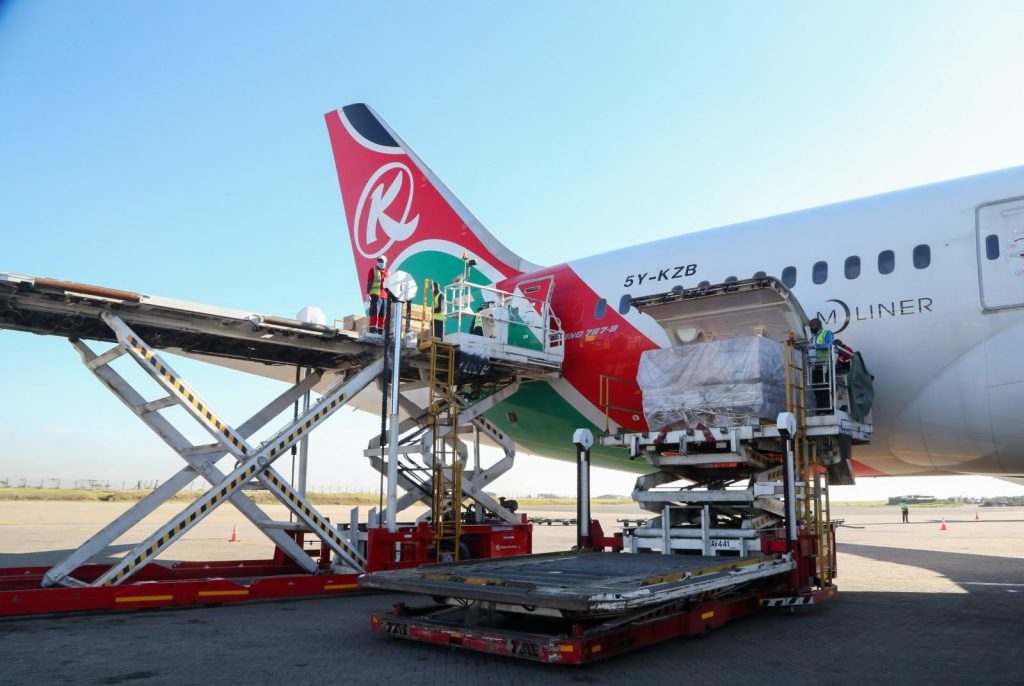
Kenya Airways
Kenya Airways is East Africa’s largest airline and one of the continent’s most recognized carriers. Known as “The Pride of Africa,” Kenya Airways operates from its hub at Jomo Kenyatta International Airport in Nairobi.
The airline flies to destinations across Africa, Europe, Asia, and the Middle East, using a fleet that includes Boeing 787 Dreamliners and Embraer regional jets. While Kenya Airways has faced financial pressures, it remains a key player in African aviation and a major driver of connectivity for East and Central Africa.
Air Algérie
Air Algérie is among Africa’s largest airlines by fleet size and domestic network. Based in Algiers, the airline plays a crucial role in connecting Algeria’s vast territory as well as linking the country to Europe, Africa, and the Middle East.
Air Algérie operates more than 50 aircraft, primarily Boeing and Airbus narrow-body and wide-body jets. Its strong domestic operations and steady government support have allowed it to remain a significant player in North African aviation.
RwandAir
RwandAir is smaller than some of Africa’s legacy carriers but has grown rapidly and earned a strong reputation for service quality. Based in Kigali, the airline has positioned itself as a rising regional hub carrier.
RwandAir operates a modern fleet that includes Airbus A330 wide-body aircraft and Boeing 737s. Its route network spans Africa, the Middle East, Europe, and Asia. Despite its size, RwandAir is increasingly influential in African aviation due to its strategic expansion and reliable operations.
How Size Is Measured in African Aviation
When discussing the biggest airlines in Africa, size can be measured in several ways. Fleet size indicates operational capacity, while passenger numbers show market demand. Route networks reflect geographic reach, and cargo volumes highlight an airline’s role in trade and logistics.
By most of these measures, Ethiopian Airlines clearly leads the continent. However, airlines like EgyptAir, Royal Air Maroc, Kenya Airways, and South African Airways remain critical to regional and international connectivity.
Final Thoughts
Africa’s biggest airlines are more than just transport companies. They support tourism, trade, employment, and economic integration across the continent. While challenges remain, these carriers continue to invest in modern fleets, expanded routes, and improved service quality.
As air travel demand grows in Africa, the continent’s leading airlines are likely to play an even greater role in shaping global aviation, connecting African cities to the world, and supporting long-term economic growth.