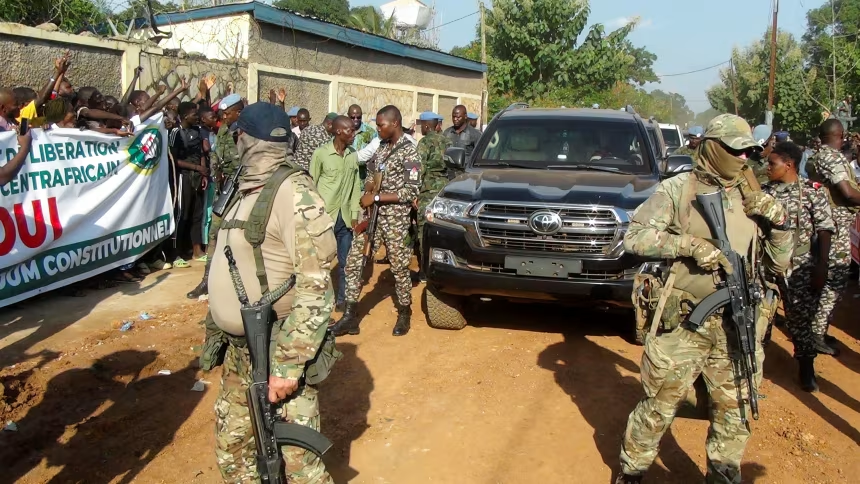
Russia Africa Corps Takes Over
The Russia Africa Corps is replacing Wagner, the notorious mercenary group once central to Moscow’s power projection in Africa. Unlike Wagner, which acted independently and grew unpredictable after its failed mutiny, the new corps is firmly under Russia’s defense ministry.
Moscow now seeks greater legitimacy and control. Wagner left deep marks in countries like Mali and the Central African Republic, where its fighters joined local militaries in counterinsurgency operations. However, its brand suffered after mutiny leader Yevgeny Prigozhin died in a 2023 plane crash, and accusations of abuses drew international sanctions.
What We Know About the Russia Africa Corps
The Russia Africa Corps combines elite combat commanders from the Russian army with former Wagner fighters. Recruitment started in early 2024, and units have already been deployed in Mali, Burkina Faso, and Niger. In the Central African Republic, authorities were asked to replace Wagner with Africa Corps forces and pay in cash, according to local officials.
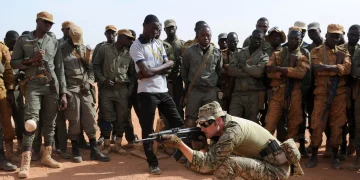
The shift also reflects Russia’s broader military-technical agreements with over 40 African nations. These include supplying weapons, training local forces, and providing battlefield assistance. By integrating operations into official state structures, Russia reduces the legal risks that Wagner faced.
Read Also
DR Congo and M23 Rebels Miss Peace Deal Deadline
Dozens of Al-Shabaab Fighters Killed in Somali Army Operation
CNN: Russia Replaces Wagner With Africa Corps
Why Putin Is Rebranding in Africa
Experts view the Russia Africa Corps as a strategic rebranding. With Wagner’s reputation damaged, Moscow now wants to erase the mercenary image and institutionalize its presence. This approach provides more direct oversight, international legitimacy, and reduced reputational damage.
For local governments in the Sahel, the corps offers security support after Western troops were expelled in recent years. Yet human rights concerns persist. Wagner was sanctioned by the EU for abuses, and UN experts called for investigations into war crimes in Mali and the Central African Republic. Whether Africa Corps changes those patterns remains uncertain.
The Bigger Picture in the Sahel
Security in the Sahel continues to deteriorate. UN delegates report that terrorism is spreading, with militants using drones, advanced communication, and links to organized crime. Local militaries remain overstretched, creating demand for outside support.
For Russia, the Africa Corps deepens influence across Africa at a time when the West is distracted by conflicts in Ukraine, the Middle East, and Asia. However, critics warn that replacing Wagner may change little on the ground. Analysts argue that insurgents remain strong, civilians continue to suffer, and states still struggle to maintain control.
The Russia Africa Corps illustrates Moscow’s ambition to stay embedded in Africa’s security landscape. By consolidating under official structures, Putin reduces risks while keeping influence alive. Yet whether this strategy stabilizes the region or fuels further conflict remains an open question.