Trump Tariffs Reshape Africa’s Trade
The Trump tariffs Africa package is reshaping the continent’s global trade outlook. Four nations—South Africa, Algeria, Libya, and Tunisia—face some of the steepest charges at rates of 25% to 30%. Another 18 African countries were hit with 15% levies.
President Trump argued that the tariffs were “reciprocal,” but they were calculated on trade deficits rather than existing tariff structures. South Africa has already challenged the decision, saying the figures misrepresent trade data.
The impact has been immediate. Industries across the continent, from South Africa’s citrus and automobile sectors to Lesotho’s textile factories, are reeling. Thousands of jobs are at risk, with smaller nations like Lesotho declaring a two-year state of disaster.
China Steps Into the Gap
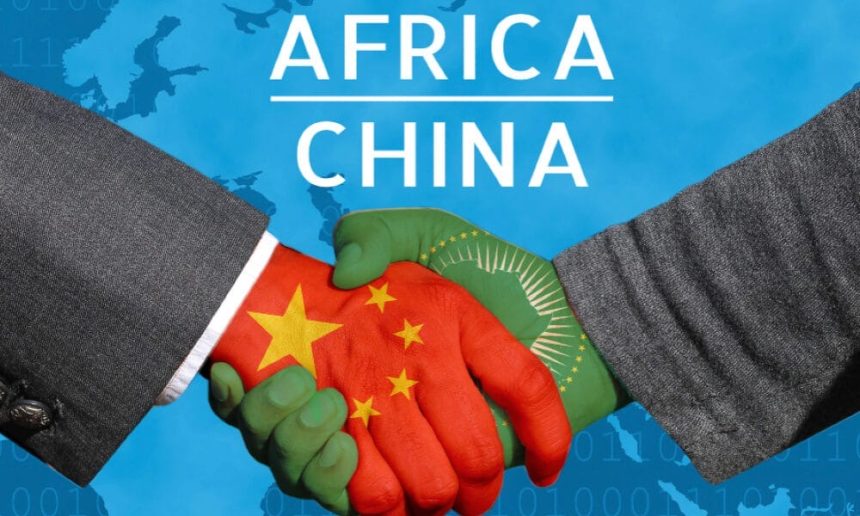
Beijing has seized the chance created by the Trump tariffs Africa fallout. In June, China announced it would remove import duties for nearly all African partners. For African economies under strain, this lifeline strengthens Beijing’s role as the continent’s largest trading partner.
Analysts argue that Washington’s failure to secure a trade deal left an “open goal” for China. South African researcher Neo Letswalo says Africa should “turn to China and make it the next US.” By contrast, Nigerian economist Bismarck Rewane warns that the continent is heading “straight into the hands of China.”
Read Also
DR Congo and M23 Rebels Miss Peace Deal Deadline
Dozens of Al-Shabaab Fighters Killed in Somali Army Operation
CNN: Russia Replaces Wagner With Africa Corps
Economic Consequences of Trump Tariffs Africa
South Africa’s citrus growers fear that fruit exports will rot in warehouses. The Citrus Growers’ Association warned that “job losses will be a certainty.” At the same time, auto companies in South Africa are weighing exits, threatening to deepen the unemployment crisis.
Lesotho, a textile exporter dependent on U.S. markets, faces an even harsher reality. Prime Minister Samuel Matekane said industries have been “severely weakened” by tariffs and the halt of U.S. aid. Tens of thousands of textile jobs are under threat, undermining one of the nation’s few economic lifelines.
For many African governments, the U.S. has become an unreliable partner. Mineral and petroleum minister Gwede Mantashe emphasized that South Africa must “look for alternative markets,” with China already being its top trading partner.
Risks of Leaning Too Much on China
While the Trump tariffs Africa push strengthens China’s role, analysts caution against over-reliance. Chinese exports are mostly manufactured goods, while African exports to China remain raw materials, creating structural trade imbalances.
Letswalo warns that replacing the U.S. with China could flood African markets with cheap imports, threatening local industries. To offset risks, experts recommend strengthening the African Continental Free Trade Area (AfCFTA). Although launched in 2020, only around 20 of Africa’s 55 countries actively trade under the deal.
Economist Rewane believes the crisis could push Africa toward long-needed resilience. By becoming more inward-focused and less dependent on either Washington or Beijing, the continent can build balanced growth.
The Trump tariffs Africa decision may therefore be both a short-term shock and a long-term catalyst. Whether nations choose dependence or self-reliance will determine how Africa navigates this turning point in global trade.