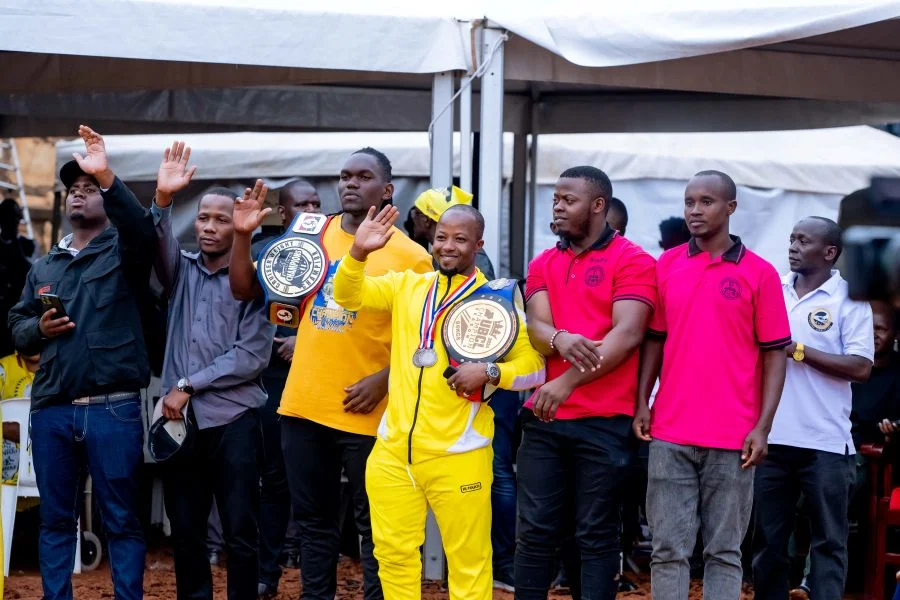
President Yoweri Museveni urged ghetto youth in Kawempe to protect Uganda’s peace, calling it the cornerstone of development and personal success. He emphasized that peace is not just a national achievement—it is a lifeline for the youth.
Peace as the Engine of Progress
Speaking at Kawempe Mbogo Mosque Playground, Museveni stressed that without peace, nothing else can grow. “No schools, no hospitals, no jobs—without peace, everything stops,” he said. He reminded the crowd that peace enables business, infrastructure, and services that directly improve lives.
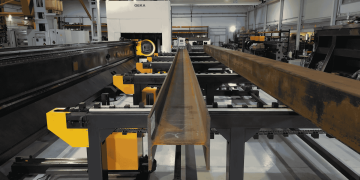
To demonstrate this, Museveni showed images of buildings in Kalangala and Kampala. He explained that every construction project contributes to national revenue. “Every bag of cement and every tonne of steel pays tax. That tax builds clinics and immunizes children,” he noted.
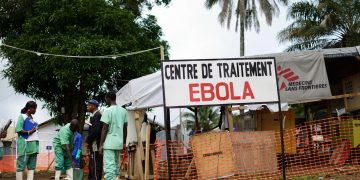
To illustrate the power of public health made possible by peace, Museveni invited a woman living with polio to speak. She shared that she was born in 1974—before the NRM came to power. Museveni affirmed that no child under his government has contracted polio since 1997, thanks to immunization programs supported by taxes.
He urged the youth to recognize that protecting peace is not about politics—it’s about protecting their own future. “Go and look at countries without peace. Compare their lives to yours,” he said.
Wealth Must Follow Development
PDM Investments in Kawempe
Museveni then shifted focus from peace to household wealth. “You don’t sleep on the road, you sleep in your house. If your house is poor, then development hasn’t helped you yet,” he said.
He outlined that the government had sent over Shs 10 billion to Kawempe through the Parish Development Model (PDM) over the past four years. Each of the 22 parishes received Shs 100 million annually. He challenged the youth to go to their town clerks and ask where the money went.
To enhance accountability, he appointed Hajjat Madinah Nsereko and Faridah Nambi to head a follow-up committee. “I will support them fully. We want transparency and results,” he said.
Poverty Is a Personal Battle
While development is a shared goal, Museveni said poverty is personal. “If you sit idle on the road, you will remain poor,” he cautioned. He encouraged each household to take action using the Four-Acre Model, which promotes small-scale agriculture, poultry, and piggery.
Museveni cited Joseph Ijara from Serere, who began with 2.5 acres and now earns over Shs 800 million a year. “He woke up. You can too,” he told the crowd.
Urban Innovation and Ghetto Enterprise
Youth-Led Growth in Kampala
Acknowledging that wealth is not limited to agriculture, Museveni praised urban innovation. He noted that youth-led businesses and trades are equally vital to national growth. “Peace, services, and markets form the pillars of transformation,” he said. “Let us guard them jealously.”
Minister Hajjat Minsa Kabanda echoed that message. She said PDM funds are helping transform homes and launch small businesses in Kampala. She also thanked the President for directly empowering ghetto youth.
SACCOs, Crime Reduction, and Youth Empowerment
Maj. Emma Kuteesa, the Presidential Coordinator for Ghetto Affairs, delivered an update on youth cooperatives. He said that under Museveni’s guidance, 12 ghetto SACCOs had been registered across the Kampala Metropolitan area.
By July 2024, each SACCO had received Shs 100 million from Museveni’s donation, totaling Shs 1.2 billion. These groups now support over 10,000 youth in Kampala and more than 40,000 countrywide.
Kuteesa reported the creation of over 500 youth-run businesses. These include welding shops, farms, mushroom projects, and creative arts. “Youth are no longer idle. They are building, creating, and leading,” he said.
As a result, crime has dropped in ghetto communities. Youth are becoming job creators and respected members of society. Kuteesa emphasized that civic engagement among young people is also growing through community programs and youth councils.
To explore related political and peacebuilding efforts in East Africa, read about the Rwanda-DRC Peace Agreement 2025, an analysis of the least peaceful economies in Africa, and reports on the NRM supporter killed in Kamuli and Dokolo primaries violence plot. You may also find insights from Museveni’s praise of Nampa Harriet and election security plans in Sembabule.