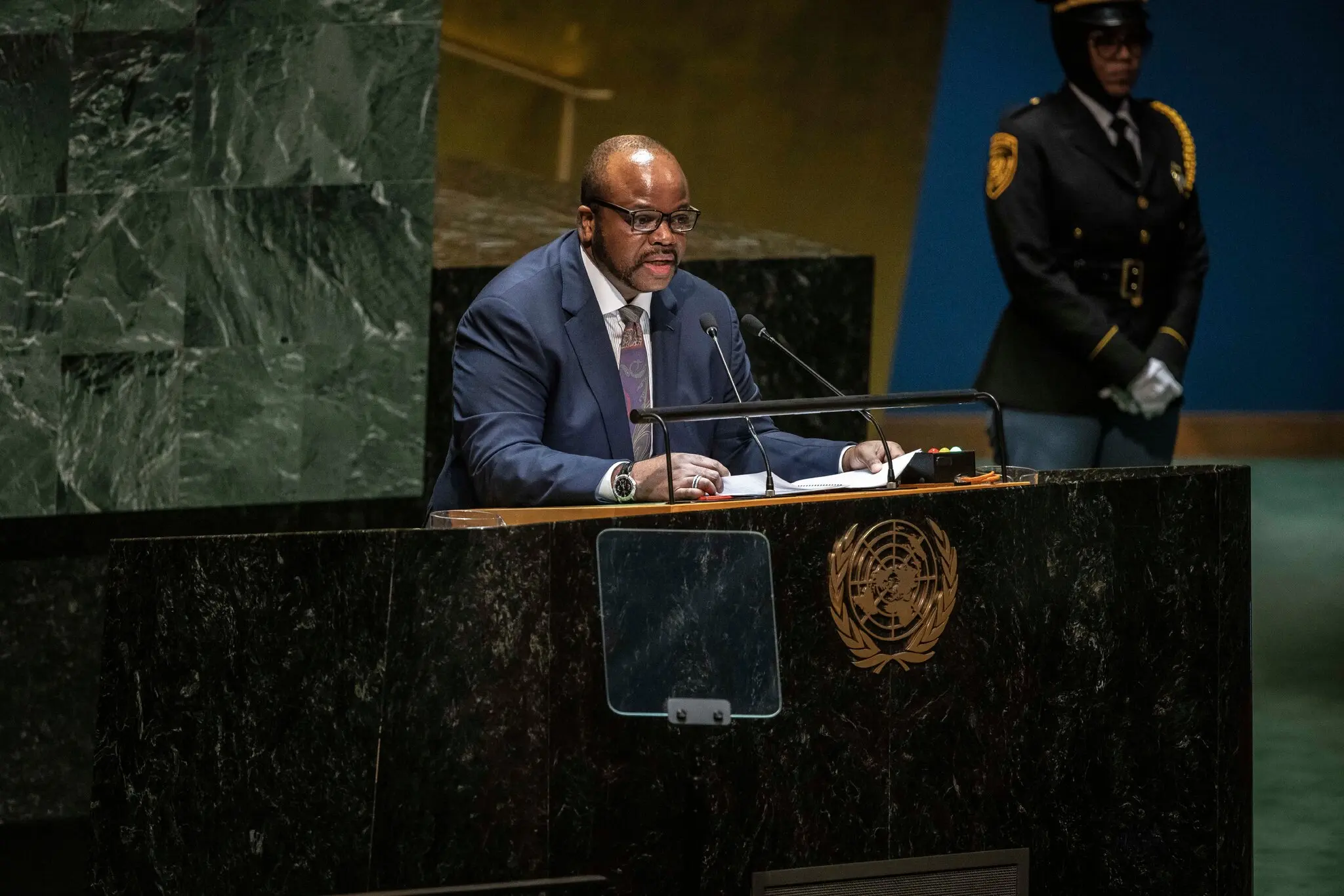
Eswatini will repatriate five migrants deported from the United States after international backlash and domestic concern. The US had deported the migrants, citing that their countries — Vietnam, Jamaica, Laos, Yemen, and Cuba — refused to accept them.
These individuals had served prison terms in the United States for serious offenses, according to the Department of Homeland Security. The deportation was the first under the Supreme Court’s greenlight allowing third-country removals.
Tricia McLaughlin, a Homeland Security official, said the migrants’ home countries would not take them back. Consequently, the US sent them to Eswatini.
However, Eswatini clarified its role. Government spokeswoman Thabile Mdluli said her country had not agreed to permanently house the migrants. Instead, Eswatini would temporarily host them before repatriating them with help from the United States and the International Organization for Migration (IOM).
The IOM distanced itself from the initial deportation flight, stating it played no part in the transfer from the US. It confirmed its involvement only in the repatriation process from Eswatini to the migrants’ home countries.
The move sparked human rights concerns. Critics argue that sending migrants to third countries without guarantees of safety violates international law. Matt Adams, a lawyer for other deportees, accused the US of endangering lives for political spectacle.
Earlier in July, the Supreme Court allowed eight men to be deported to South Sudan, though only one held citizenship there. Their families have not heard from them since. South Sudanese officials confirmed they were in custody but gave no further updates.
Following that ruling, US immigration officers quickly implemented new rules. These allow for third-country deportations in under six hours, even without proof of safety at the destination.
Eswatini, formerly Swaziland, lies between South Africa and Mozambique. It remains one of the world’s last absolute monarchies, ruled by King Mswati III. Many citizens live in poverty while the monarchy maintains a lavish lifestyle.
Domestic criticism of the deportation was swift. Lioness Sibande, a leader of the Swaziland Peoples Liberation Movement, condemned the move. She called it another example of how Western powers treat African countries as dumping grounds.
In response, Mdluli said the migrants are currently housed in secure isolation units. She assured citizens that officials had conducted risk assessments and determined the deportees pose no threat.
When asked what Eswatini received in exchange for accepting the migrants, Mdluli declined to comment. She said the agreement with the US was confidential.
This deportation case has renewed global debate over immigration policy, ethics, and the role of developing nations in enforcement strategies led by wealthier countries. With Eswatini now working toward repatriation, the spotlight remains on the legality and fairness of such third-country deals.
READ: U.S. Deportation Flight to Eswatini Raises Legal, Ethical Questions