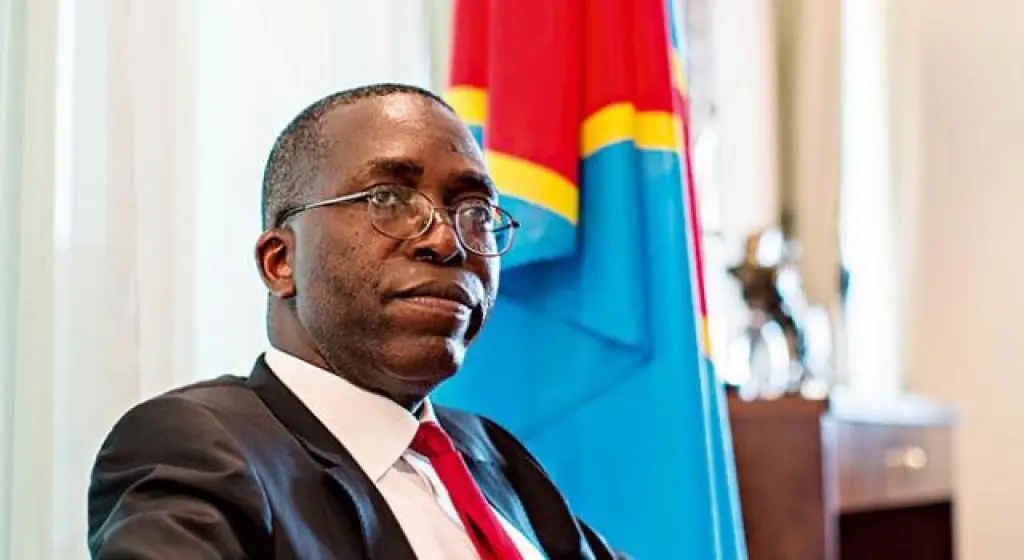
Matata Ponyo embezzlement charges have resulted in one of the most high-profile convictions in the Democratic Republic of Congo’s history. On Tuesday, the Constitutional Court sentenced the former prime minister to 10 years of forced labor. Ponyo, who served under President Joseph Kabila from 2012 to 2016, diverted $245 million from a failed agriculture project.
The government had launched a massive corn farm 260 kilometers southeast of Kinshasa, promising it as the first of 22 large-scale projects. However, the venture collapsed by 2017, only three years after it started operations. The South African company hired to manage the farm left the country, claiming that the government never paid them.
Alongside Ponyo, the court also sentenced Deogratias Mutombo, a former central bank governor, and South African businessman Christo Grobler. Both received five-year terms of forced labor. Authorities believe Grobler currently resides in South Africa, while Mutombo is in Belgium. All three individuals missed their trials and remain free.
Ponyo’s lawyer, Laurent Onyemba, insisted that the case was politically motivated. He confirmed that Ponyo is still in Kinshasa and claimed that the trial denied him a fair chance to defend himself. Despite the verdict, officials have not announced any formal steps toward extradition or arrest.
President Félix Tshisekedi’s administration opened the case in 2021, after investigators reviewed several failed Kabila-era projects. Since taking office, Tshisekedi has made anti-corruption a central priority and has publicly committed to holding former officials accountable.
The Matata Ponyo embezzlement conviction marks a significant milestone in this crackdown. Analysts say it demonstrates the government’s intent to distance itself from past regimes and clean up public governance. Still, critics argue that the prosecution may have targeted political rivals selectively, especially with national elections on the horizon.
Tensions remain high in the country’s political landscape. Former President Kabila has lived mostly in South Africa since late 2023. Tshisekedi’s government recently accused him of aiding the Rwanda-backed M23 rebels, who continue to capture territory in eastern Congo. Kabila’s party has denied any involvement.
The fall of the corn project reflects a deeper issue of failed development promises in Congo. Successive governments have launched ambitious initiatives, only to see them fail due to corruption and mismanagement. Citizens see the Matata Ponyo embezzlement ruling as a step toward justice, even if real reform remains a distant goal.
By convicting a former prime minister, the court has signaled that even powerful figures must answer for financial misconduct. Whether this conviction leads to more arrests or long-term reform will depend on the government’s consistency in applying justice beyond politics.