Fear, Hope, and Rubble: Inside Khartoum After Sudan Army Recaptures Capital from RSF
By Bizmart
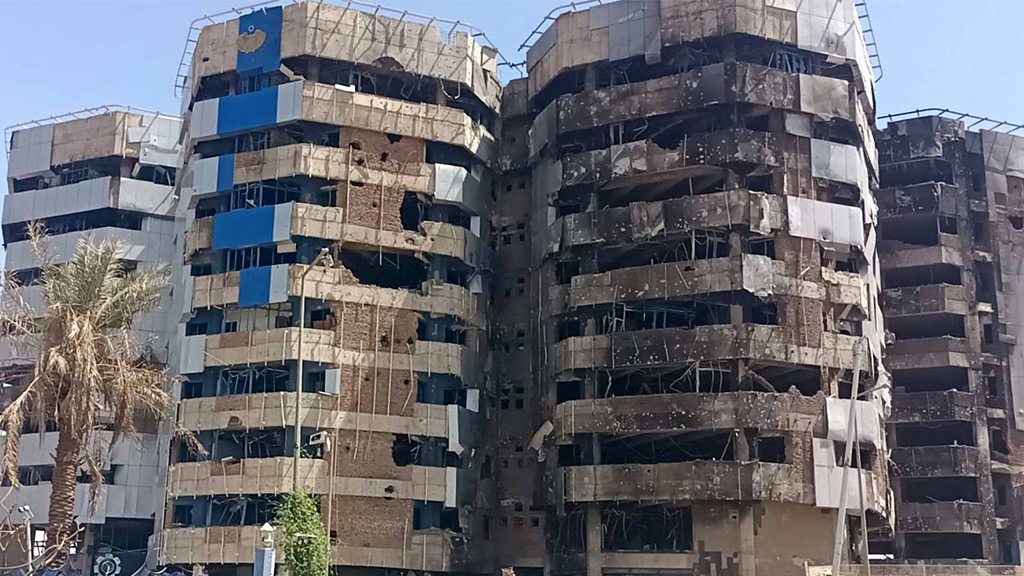
Khartoum, Sudan – The charred remnants of Sudan’s capital now stand as haunting reminders of a war that has ravaged the nation’s core. Once the bustling center of commerce and governance, Khartoum has been reduced to rubble following a brutal two-year civil war between the Sudanese Army and the Rapid Support Forces (RSF).
BBC correspondents gained access to the capital just days after the army reclaimed it, following a grueling six-month offensive. Despite scenes of jubilation during the Eid holiday, the devastation is widespread and the future uncertain.
A City Gutted by War
At the presidential palace, now a symbol of both victory and devastation, broken glass, bloodstains, and looted rooms paint a grim picture. Soldiers celebrated their return, calling the palace’s recapture a moment of national dignity.
“This place is the heart of Sudan. It’s where our pride lives,” one soldier said while walking through debris-covered corridors.
Nearby, Khartoum International Airport lies in ruins. Smashed planes litter the runway, and the passenger terminals are layered in soot and ash.
In the city’s core, government buildings, banks, and office towers are either gutted or completely destroyed. Bullet-riddled facades, unexploded ordnance, and human remains still lie in public streets—testimonies of the horrific urban combat that unfolded here.
Faith Amid the Ruins
At St Matthew’s Cathedral, miraculously spared from the worst destruction, a lone soldier cleared rubble from the floor.
“They didn’t destroy the house of God, but they desecrated it,” he said, referring to RSF fighters allegedly defecating inside.
Even amid the trauma, moments of reflection and spiritual renewal emerge. Residents gathered at local soup kitchens to celebrate Eid, some dressed for the first time in two years, singing and waving flags.
A Return to Life – With Caution
Pro-democracy activist Duaa Tariq, who helped organize food distribution throughout the war, described the current moment as surreal:
“It feels like we’re learning how to live again,” she said. “We feel light, even the air smells different.”
But she worries about the future of civil society and the democratic progress made after the ousting of Omar al-Bashir in 2019.
“What will happen to our freedoms and the rights we fought for? I’m not sure of our future now,” she added.
A City Scarred, a People Resilient
Longtime resident Kasim Agra said the sense of liberation outweighs even the hunger many still feel:
“I’m hungry, but I feel wonderful. Freedom is more important,” he smiled. “Two weeks ago, I couldn’t even carry a mobile phone.”
Mobile phones were frequently stolen by RSF fighters, making even basic communication risky.
Next Front: Darfur
While the army’s retaking of Khartoum signals a major turning point, the war is far from over. Attention now shifts to Darfur, an RSF stronghold in western Sudan, where some of the conflict’s worst humanitarian conditions are reported.
Young voices like 16-year-old Hawaa Abdulshafiea echo the hope for peace:
“We pray for the people of Darfur. May God protect them.”
Healing Will Take Time
Khartoum’s wounds run deep—both physical and psychological. Najwa Ibrahim, another local, fears for the mental health of Sudan’s children:
“They are traumatized. They need professional help,” she said.
As international agencies assess the damage and the global community debates intervention, Sudanese civilians are already trying to rebuild their lives, starting with the small but powerful act of celebrating Eid al-Fitr under clear skies.