Fed cuts rates after months of debate
The U.S. Federal Reserve has reduced its benchmark interest rate by 0.25 percentage points, bringing it to a range of 4%–4.25%. This marks the first reduction since December and comes amid fears of a weakening job market. The Fed cuts rates move is expected to ease borrowing costs and set the stage for more reductions later this year.
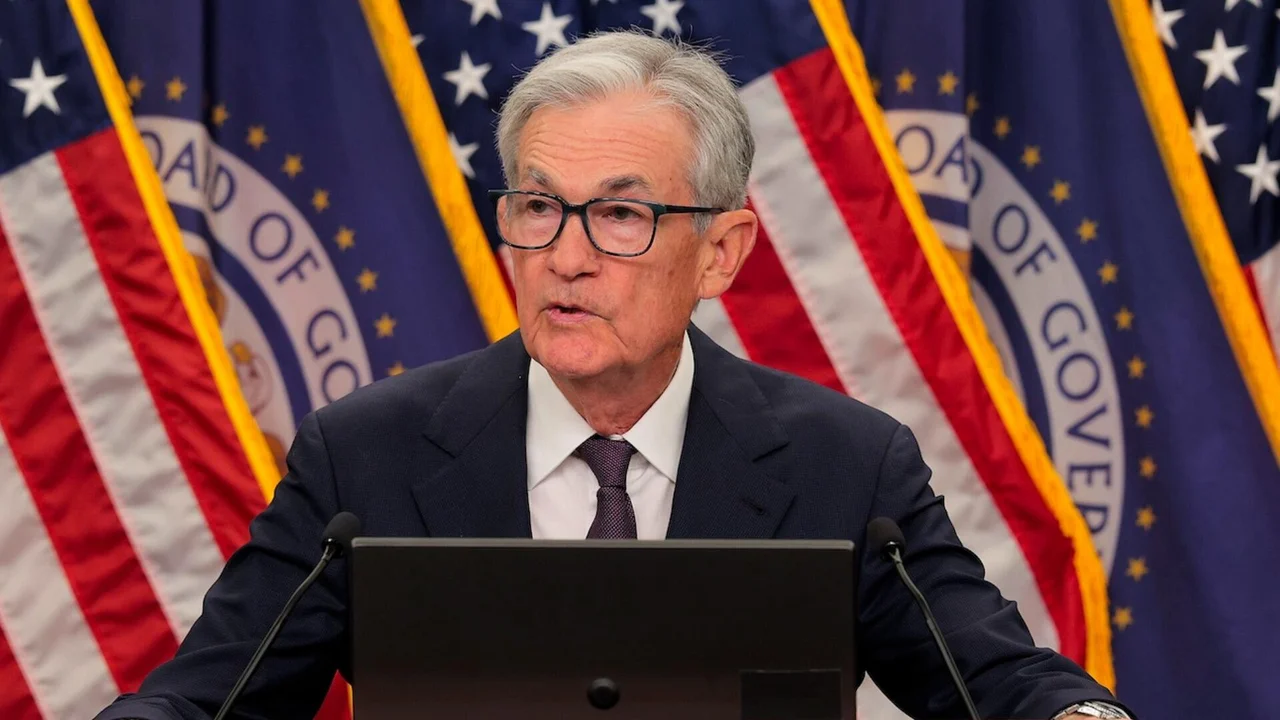
Chair Jerome Powell said unemployment remains low but flagged “downside risks,” contrasting with the Fed’s July report, which had described the job market as “solid.” Eleven of twelve policymakers backed the cut, though Trump ally Stephen Miran argued for a sharper 0.5-point drop.
Inflation and political pressure
Inflation, which spiked in the aftermath of the pandemic, has cooled but remains above the Fed’s 2% target. Prices rose 2.9% in the year to August. Weak job data in June, July, and August, including the first monthly employment decline since 2020, pushed the Fed toward action.
President Donald Trump has repeatedly pressured the Fed, demanding much deeper cuts. He even called Powell “a real dummy” on social media and urged rates be slashed to 1%. Analysts, however, insist the decision was driven by economic data, not politics.
What comes next
Projections suggest the Fed could trim rates by another 0.5 percentage points before year-end, though some members see no need for further cuts. Powell admitted uncertainty remains: “There are no risk-free paths right now.”
For households and businesses, lower rates could revive the housing market and ease debt costs. But critics warn that continued political interference risks undermining the Fed’s independence, even as the Fed cuts rates to stabilize a slowing economy.