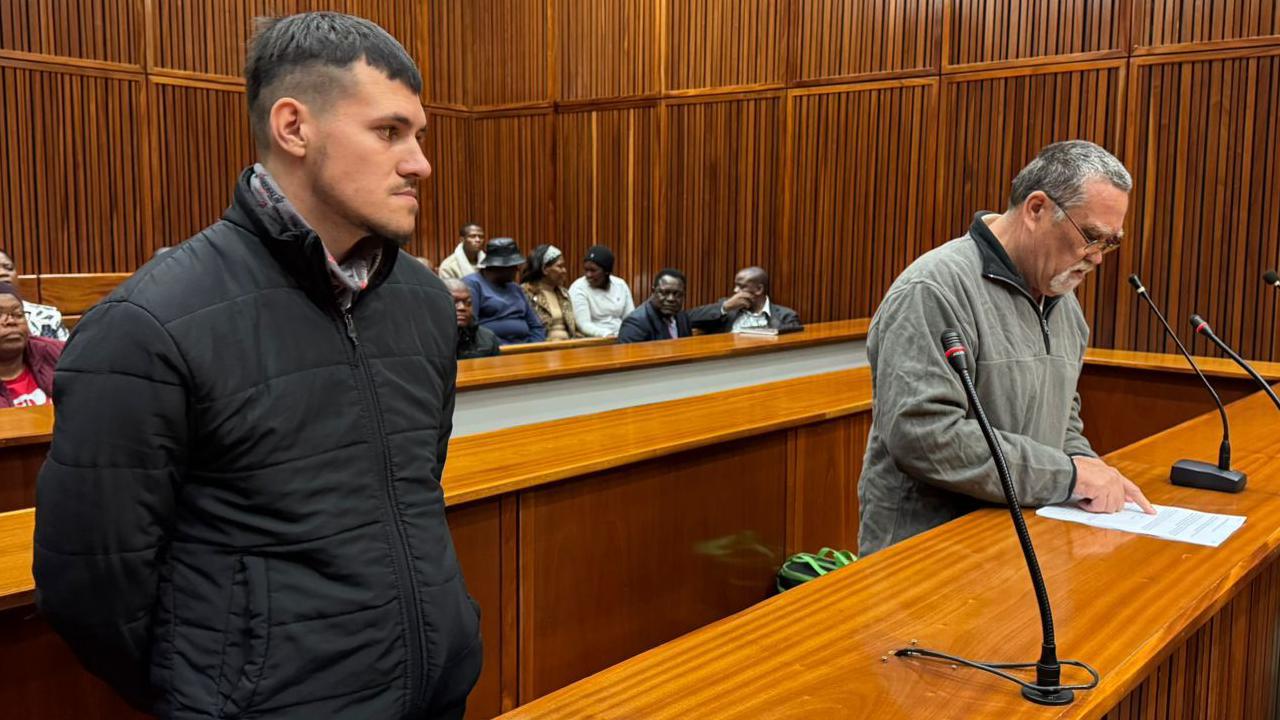
The release of Adrian de Wet, one of three suspects in the brutal killing of two black women on a pig farm near Polokwane, has sparked public outrage and heartbreak across South Africa.
Maria Makgato, 45, and Lucia Ndlovu, 34, were murdered in August 2024 after allegedly searching for food on a Limpopo farm. Their bodies were then reportedly fed to pigs in a disturbing attempt to destroy evidence.
De Wet, 20, was a supervisor on the farm and initially faced murder charges alongside the farm owner, Zachariah Johannes Olivier, 60, and another worker, William Musora, 50. However, as the trial began this week, De Wet turned state witness, claiming he was forced under duress to dispose of the bodies after Olivier allegedly pulled the trigger.
According to the prosecution and his legal team, De Wet will testify that he acted under threat, a factor that led the state to drop charges against him. He was swiftly released from court and placed under protective custody until the trial concludes.
Families Devastated as Justice Feels Elusive
The emotional toll of the decision was visible outside the courtroom. Walter Makgato, brother to one of the victims, sobbed inconsolably, telling reporters that his family now fears true justice may never be served.
“I’m heartbroken. One of the men involved in my sister’s death is now free,” he said, echoing a sentiment shared by many South Africans.
A Case Reigniting Racial Tensions
The case has once again shone a harsh light on South Africa’s unresolved racial divides, especially in rural farming areas. Despite the end of apartheid three decades ago, land ownership and inequality remain deeply contentious. Most farmland is still held by the white minority, while black farm workers, often underpaid and marginalized, form the backbone of agricultural labor.
The allegations in this case have further intensified distrust and resentment, with civil society organizations calling for a transparent trial and accountability for all involved.
The trial of Olivier and Musora, both of whom remain behind bars and have yet to enter pleas, is scheduled to resume on 6 October.
As South Africa watches, this case is shaping into more than just a horrific crime—it is becoming a litmus test for how the justice system handles race, violence, and inequality in the post-apartheid era.https://www.youtube.com/watch?v=EMYUAG3vUHA