An Overview of Côte d’Ivoire’s Economic Growth
As President Alassane Ouattara prepares to begin a fourth term, the outlook for Côte d’Ivoire economic growth remains cautiously optimistic. International observers agree that the country has experienced continuous growth for over a decade. However, despite positive signals, the economic trajectory is tempered by a fragile political climate and persistent social inequalities.
Economist Modibo Mao Makalou explains, “When a country emerges from a crisis, its economic growth tends to be quite high. Côte d’Ivoire’s case is particular, however. Since the end of the political crisis in 2011, the country has had one of the highest growth rates on the continent. This trend is expected to continue, with Côte d’Ivoire potentially reaching up to 8% growth.”
Social Inequalities Amid Economic Growth
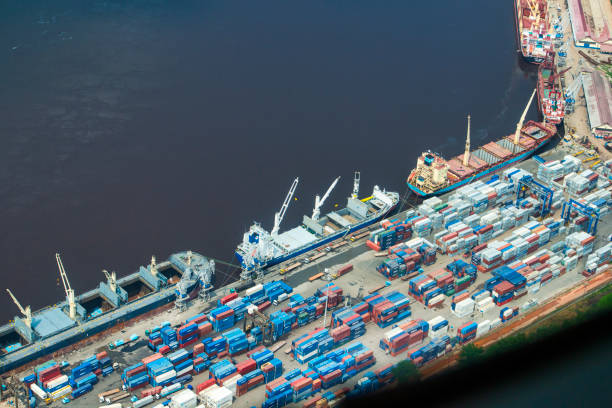
While Côte d’Ivoire’s economic growth is notable, social inequalities continue to present significant challenges. The structure of the economy is primarily focused on the tertiary sector, with much of the economic activity centered in the capital, Abidjan. This metropolis attracts substantial capital and population, accounting for nearly 90% of the country’s economic output. The informal sector, which represents about 80% of economic activity, remains a barrier to sustained growth.
Makalou acknowledges that the structure of the economy leaves the country vulnerable to social imbalances. “The informal sector and inequalities remain an obstacle to more inclusive economic growth,” he states.
Politics and Economy Are Inextricably Linked
The relationship between politics and the economy is crucial in Côte d’Ivoire. While the presidential election in October 2025 occurred in a relatively peaceful environment, the country has faced several political crises in the past. The economist warns that the fragile political climate could affect economic stability. He adds, “Politics and economics are inherently linked. As the saying goes, ‘Money doesn’t like noise, investments dislike uncertainty and political instability.’ When there’s uncertainty, both domestic and foreign investors tend to hold back until the situation stabilizes.”
Looking ahead, attention now turns to the upcoming legislative elections. “These elections were a sword of Damocles; we are waiting to see how the next one will unfold,” says Makalou.
Read Also
Billionaire Patrice Motsepe Charts Bold Global Strategy for Digital Banking Empire
Co-op Bank Declares First Ever Interim Dividend as Profit Climbs to Ksh21.56 Billion
A Positive Long-Term Outlook for Côte d’Ivoire
Despite the challenges, Makalou is optimistic about the future. He believes that if Côte d’Ivoire continues on its current trajectory, the country could achieve its goal of becoming an upper-middle-income nation by 2030, as outlined in the National Development Plan (PND) 2021-2025.
“Côte d’Ivoire’s economy has demonstrated resilience, and if the country can continue to address social inequalities and political challenges, the economic growth outlook remains positive,” he says.