The North African economy is driven by a mix of energy resources, manufacturing growth, tourism, and strategic trade routes. Among the region’s most influential economies are Egypt, Morocco, and Algeria. These three countries anchor North Africa’s economic structure through their geographic advantage, natural resources, and expanding industrial sectors.
Although they share historical and cultural ties, their economic models differ significantly. Egypt leverages its population size and strategic waterways. Morocco focuses on diversification and export-oriented manufacturing. Algeria relies heavily on hydrocarbons but is gradually exploring broader reforms.
Understanding the North African economy requires examining how these three nations contribute to regional stability and growth.

Egypt: Strategic Trade and Population Power
Egypt has one of Africa’s largest economies. Its economic strength comes from a diversified structure that includes services, manufacturing, agriculture, tourism, and energy.
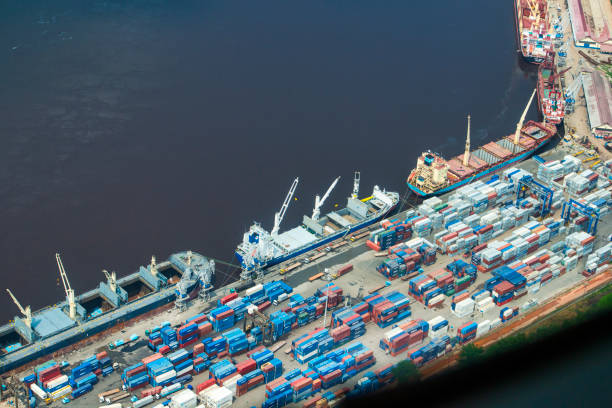
A major pillar of Egypt’s economic influence is the Suez Canal. This strategic waterway connects the Mediterranean Sea to the Red Sea, making Egypt a global trade gateway. Revenue from canal transit fees contributes significantly to foreign currency earnings.
Tourism also plays a vital role. Historic sites such as the Pyramids of Giza and Red Sea resorts attract millions of visitors annually. However, global instability and currency fluctuations sometimes affect tourism inflows.
Egypt has expanded its natural gas production, particularly after major offshore discoveries in the Mediterranean. Energy exports strengthen its position in regional markets.
Despite these advantages, Egypt faces challenges such as inflation, currency pressures, and high public debt. Nevertheless, ongoing infrastructure projects and economic reforms aim to stimulate private sector growth and attract foreign investment.
Morocco: Diversified Growth and Renewable Energy Leader
Morocco stands out for its diversified economy. Unlike energy-heavy Algeria, Morocco relies on manufacturing, agriculture, tourism, and renewable energy.
The country has become a manufacturing hub, particularly in the automotive and aerospace sectors. International car manufacturers operate plants in cities like Tangier and Casablanca, making Morocco one of Africa’s top vehicle exporters.
Agriculture remains essential, with exports of citrus fruits, olives, and vegetables to European markets. Tourism contributes significantly as well, supported by historic cities such as Marrakech and coastal destinations.
Morocco has also invested heavily in renewable energy. The Noor Ouarzazate Solar Complex is one of the largest solar power plants in the world. This commitment to green energy positions Morocco as a regional sustainability leader.
While Morocco maintains steady growth, it faces unemployment concerns, especially among youth. Continued investment in education, digital transformation, and export industries will determine its long-term trajectory.
Algeria: Hydrocarbon Giant Seeking Diversification
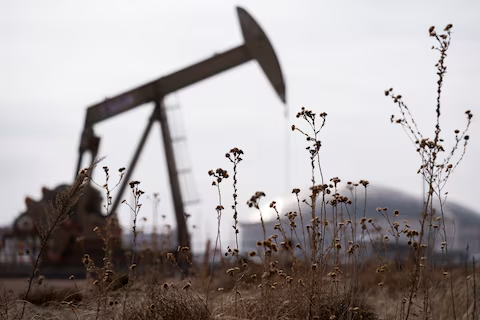
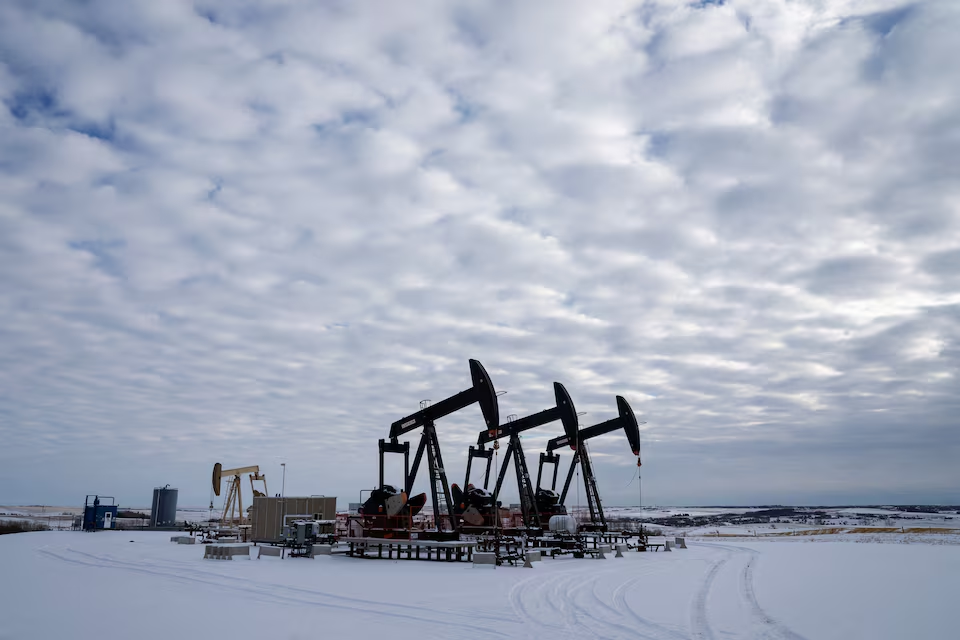
Algeria has one of the largest economies in North Africa, largely due to oil and natural gas exports. Hydrocarbons account for the majority of export revenue and government income.
Algeria is a major gas supplier to Europe, especially during periods of geopolitical tension that affect global energy markets. Energy exports provide fiscal strength when prices are high but expose the country to volatility when global demand shifts.
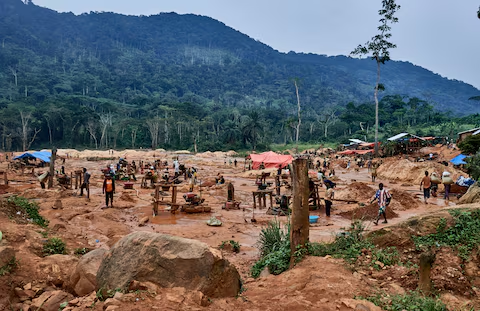
Recognizing this vulnerability, Algeria has initiated reforms to diversify its economy. Efforts focus on agriculture, mining, and industrial production. However, progress remains gradual due to structural and regulatory barriers.
Youth unemployment and public sector dependence remain challenges. Nevertheless, Algeria’s strong foreign reserves during periods of high oil prices provide a buffer for economic reforms.
Comparative Economic Strengths
The North African economy benefits from the distinct strengths of Egypt, Morocco, and Algeria:
- Egypt leverages its strategic trade location and large domestic market.
- Morocco focuses on export-driven manufacturing and renewable energy.
- Algeria dominates in oil and natural gas production.
Together, they form a balanced regional bloc that influences African and Mediterranean trade flows.
Key Challenges Facing the North African Economy
Despite strong assets, the region faces shared structural challenges:
Commodity Dependence
Algeria’s reliance on hydrocarbons and Egypt’s dependence on external financing expose them to global economic shifts.
Inflation and Currency Pressures
Egypt has experienced currency volatility, which impacts purchasing power and investor confidence.
Youth Unemployment
Morocco and Algeria both struggle with high youth unemployment rates.
Public Debt
Infrastructure projects and subsidies increase fiscal pressure, particularly in Egypt.
Opportunities for Regional Growth
There are several growth opportunities shaping the future of the North African economy.
Energy Transition
Morocco’s renewable energy leadership could expand regionally. Algeria and Egypt can also diversify into green hydrogen and solar projects.
Trade Integration
Stronger economic cooperation within the African Continental Free Trade Area can enhance exports and intra-African trade.
Industrial Expansion
Egypt and Morocco continue developing manufacturing and logistics hubs.
Tourism Recovery
As global travel rebounds, Egypt and Morocco stand to benefit significantly.
Future Outlook
The North African economy remains resilient despite global uncertainties. Egypt’s reforms aim to stabilize currency and boost private investment. Morocco’s industrial diversification enhances export competitiveness. Algeria’s energy exports continue to anchor fiscal stability while gradual reforms unfold.
If structural challenges are addressed and diversification efforts succeed, North Africa could strengthen its position as a major economic bridge between Africa, Europe, and the Middle East.
Conclusion
The North African economy is shaped by the strategic influence of Egypt, Morocco, and Algeria. Each country brings unique strengths to the region: Egypt’s trade corridor, Morocco’s manufacturing and renewable leadership, and Algeria’s hydrocarbon dominance. Although challenges remain, ongoing reforms and investment strategies provide opportunities for sustainable growth. Together, these three nations will continue to define the economic direction of North Africa in the years ahead.