Uganda has long been hailed internationally for its progressive refugee policy, welcoming displaced people from neighbouring countries with comparatively generous rights, including freedom of movement, land allocations, and access to social services. However, as global displacement reaches record levels and regional conflicts persist, the increasing number of refugees has put immense pressure on both host communities and public systems. This situation has become a critical test for Uganda’s leadership, straining resources, social services, and political will, while also presenting opportunities for innovation and inclusive policy action.
A Growing Humanitarian Challenge
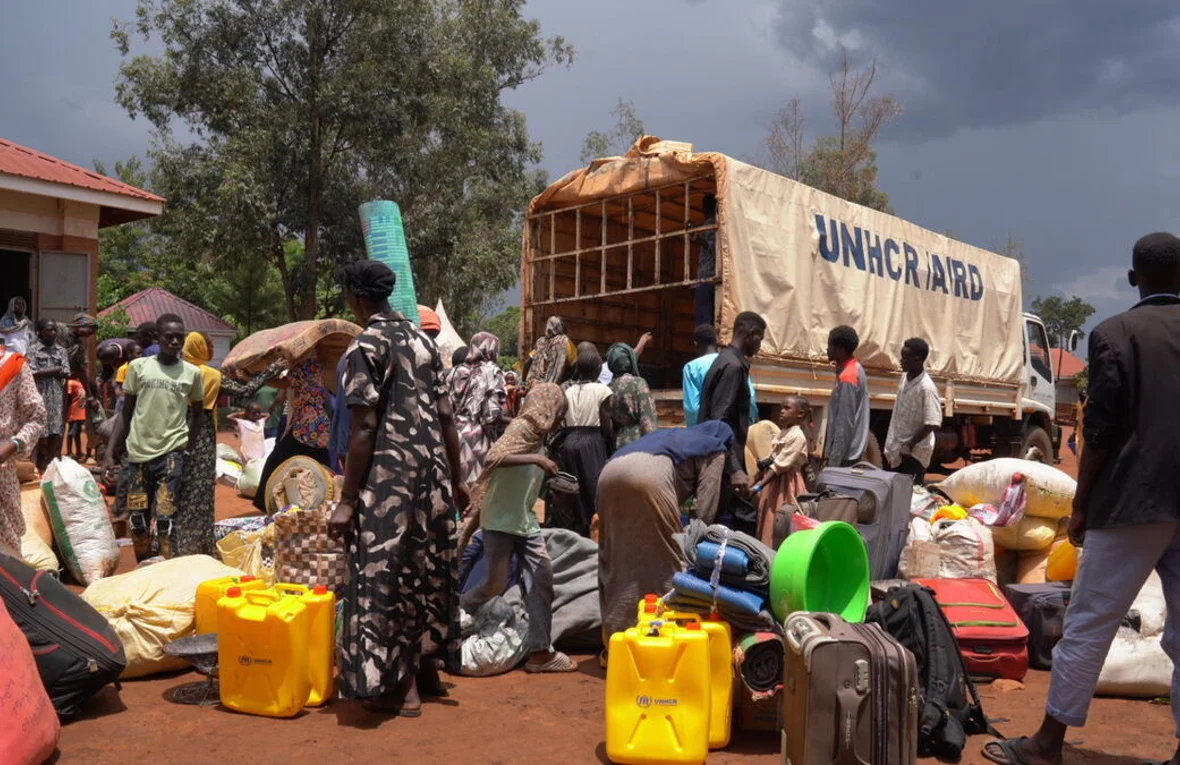
Uganda is one of the world’s largest refugee‑hosting countries, with refugees arriving primarily from South Sudan, the Democratic Republic of the Congo (DRC), Burundi, and more recently from regions affected by instability in parts of Sudan and Ethiopia. Many refugees have fled violence, persecution, or food insecurity, seeking safety across Uganda’s borders.
The scale of arrivals has increased rapidly over recent years. United Nations data shows that Uganda hosted over 1.5 million refugees and asylum seekers, a significant number relative to its population. This places pressure on already stretched public services — from healthcare and education to water and sanitation — especially in districts hosting large settlements such as those in the West Nile and northern regions.
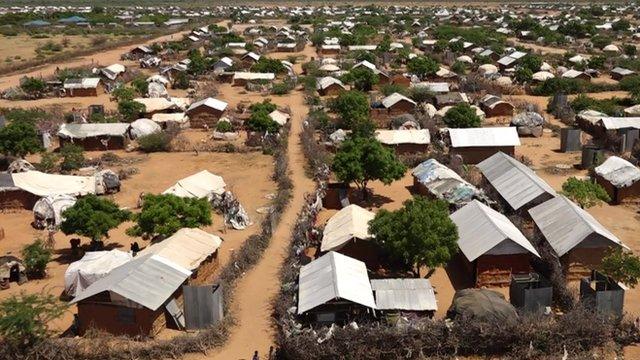
Uganda’s refugee policy is often cited as a model internationally because it grants refugees the right to work, move freely, and cultivate land. While these rights support dignity and self‑reliance, implementing the policy depends on adequate funding and coordination with humanitarian partners.
Strains on Public Services and Host Communities
Providing basic services to a rapidly growing population is a major leadership challenge. Schools in refugee‑hosting districts often operate with limited infrastructure and teacher shortages, which affects both refugee and local children. Healthcare facilities can become overwhelmed, leading to longer waits and reduced quality of care. Water supply and sanitation facilities also face heightened demand, increasing the risk of disease outbreaks if not properly managed.
Host communities sometimes feel the strain too. Competition for land, water, and jobs can exacerbate tensions if support systems are uneven or inadequate. While refugees contribute to local economies and cultural diversity, limited resources can fuel frustration among residents who also seek access to basic services.
The government must carefully balance the needs of host communities and refugees. Failure to manage this balance can create divisions and undermine social cohesion — a key leadership test in both policy formulation and implementation.
Funding Gaps and Humanitarian Partnerships
One of the most significant challenges in responding to the refugee crisis is the persistent gap between needs and funding. Humanitarian agencies like the United Nations High Commissioner for Refugees (UNHCR), alongside international donors, support food aid, education, health services, and infrastructure. However, funding shortfalls are common and can lead to reductions in assistance — for example, cuts in food rations or delays in school construction.
Uganda’s government has advocated for more predictable and sustained international funding, underscoring the shared responsibility for displacement crises. By building strong partnerships with donor countries, regional organisations, and non‑governmental organisations, Uganda seeks to bridge funding gaps. Leadership in negotiating and coordinating these collaborations is critical, particularly as global attention shifts rapidly between crises.
Economic Integration and Self‑Reliance
A cornerstone of Uganda’s refugee policy is promoting self‑reliance through work opportunities, land access, and entrepreneurship. This approach encourages refugees to contribute to local markets and reduces dependency on aid. Some refugees have started businesses, engaged in farming, or participated in vocational training programs.
Despite these opportunities, barriers remain. Limited access to credit, markets, and long‑term employment can hinder economic progress. Without robust support systems, self‑reliance initiatives risk falling short of their potential. Effective government leadership requires creating policy frameworks and partnerships that support refugees and host communities alike with training, market access, and inclusive economic planning.
Social Cohesion and Community Engagement
Ensuring peaceful coexistence between refugees and host communities is both a priority and a test of leadership. Uganda has worked to promote cultural exchange and joint community activities, such as shared schools, markets, and sports events. These initiatives help build mutual respect and understanding.
However, leadership must also address grievances swiftly and transparently. Where tensions arise — over land use, employment opportunities, or resource access — mechanisms for dialogue and conflict resolution are essential. Empowering local leaders, traditional authorities, and community organisations to act as mediators can reinforce peace and trust.
Regional Diplomacy and Long‑Term Solutions
The refugee crisis in Uganda is inherently linked to political instability and conflict in neighbouring states. Durable solutions — such as voluntary, safe, and dignified returns — depend on improvements in peace and security in countries of origin. Uganda’s leadership on the regional stage, including its role in regional peace processes and diplomatic engagement, can influence conditions that either worsen or improve displacement trends.
Regional cooperation through bodies like the East African Community (EAC) and the African Union (AU) provides platforms for joint action on refugee protection, shared resources, and conflict prevention. Uganda’s government must continue to engage diplomatically to address root causes of displacement and advocate for collective approaches to humanitarian challenges.
Looking Ahead: Leadership in Action
Uganda’s response to the refugee crisis is a multidimensional test of governance, resources, and moral commitment. Success will require strategic coordination between government institutions, humanitarian partners, host communities, and refugees themselves. Investing in education, healthcare, economic integration, and social cohesion — while securing sustainable funding — will determine whether Uganda’s model can adapt to evolving pressures.
Strong leadership in this context is not only about crisis management, but about envisioning inclusive development that benefits both refugees and host populations. By fostering cooperation, accountability, and resilience, Uganda can strengthen its domestic stability and enhance its role as a positive force in regional humanitarian response.