Uganda’s 2026 elections are set to be a defining moment not just for the country, but for the entire East African region. As one of the region’s most politically active nations, changes in Uganda’s leadership and governance dynamics could reverberate across neighbouring countries and regional blocs. This article examines the potential consequences of the 2026 elections on economic cooperation, security arrangements, diplomacy, and regional stability.
A Central Player in East Africa
Uganda holds a strategic position in East Africa due to its size, economy, and political influence. It is a member of the East African Community (EAC), a bloc aimed at deepening economic integration and political cooperation among member states. The nation’s political trajectory often influences its neighbours, including Kenya, Tanzania, Rwanda, Burundi, and South Sudan.
Political stability in Uganda contributes to broader regional confidence, while periods of uncertainty can heighten tensions or slow cooperative efforts. In this context, the 2026 elections are significant for both domestic governance and regional systems.

Electoral Dynamics and Domestic Stability
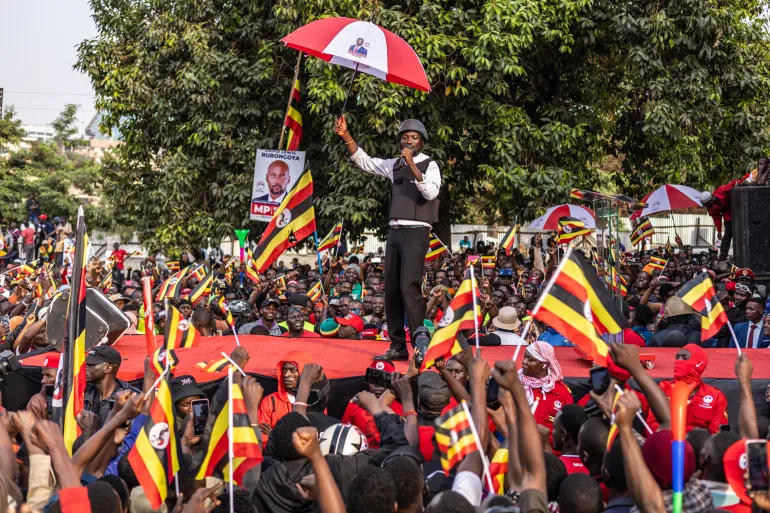
At home, Uganda’s elections involve competition for the presidency, parliamentary seats, and local government positions. The nature of campaigns, voter turnout, and the conduct of political actors all shape public perception of legitimacy and fairness. A peaceful and transparent election—where citizens freely express their choices—can strengthen democratic norms and inspire confidence beyond Uganda’s borders.
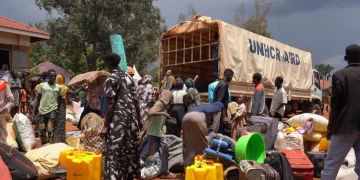
Conversely, if elections are perceived as unfair or provoke tensions, the resulting unrest could have spill‑over effects. Historically, contested elections in the region have sometimes led to internal instability, displacement of people across borders, and disruptions in trade. For example, in past elections across East Africa, disputed results have sparked protests and strained relations with neighbours tasked with managing refugee flows or border security.
Implications for Economic Integration
Uganda plays an active role in regional economic integration efforts. It contributes to infrastructure projects like cross‑border roads, energy sharing, and trade corridors that connect landlocked countries to ports. The 2026 elections could influence how Uganda engages in these initiatives.
Stable governance and clear economic policies encourage foreign investment and strengthen regional markets. Investors and development partners often favour predictable political environments because they reduce risk. If the elections deliver continuity and policy clarity, Uganda could maintain or expand its engagement in regional trade agreements and joint ventures with EAC members.
However, political uncertainty can slow progress on key regional projects. Investors might adopt a “wait‑and‑see” approach, delaying commitments until the political landscape stabilises. This could impact regional jobs, infrastructure financing, and economic growth in interconnected markets.
Security Cooperation and Border Management
Uganda’s role in regional security frameworks is another major consideration. The nation contributes to peacekeeping missions and collaborates with neighbours to address cross‑border threats, including armed groups operating in border areas and illegal trafficking.
A peaceful election process reinforces trust among regional partners, enabling joint operations and intelligence sharing. Uganda’s cooperation with neighbouring countries on security issues—such as combating armed groups in eastern Democratic Republic of the Congo or supporting stability in South Sudan—depends on mutual confidence in leadership and governance.
If the election period experiences political tensions or unrest, security collaborations could be strained. Heightened internal focus on domestic concerns may divert resources and attention away from regional initiatives. Neighbouring countries might increase their own border security measures, affecting trade and the movement of people.
Diplomatic Relations with Neighbours
Uganda’s bilateral relations with neighbouring states are shaped by shared history, economic ties, and regional diplomacy. The conduct of the 2026 elections could influence these relationships in several ways.
Positive outcomes—marked by peaceful transitions and respect for democratic processes—could enhance Uganda’s diplomatic standing. It might lead to deeper cooperation on shared priorities like infrastructure development, health initiatives, and environmental management. Countries within the EAC often negotiate collective positions on continental matters, and Uganda’s leadership stability can contribute to unified approaches.
On the other hand, if the elections raise concerns about human rights or political freedoms, some neighbours or regional bodies might express criticism. This could result in diplomatic friction or calls for reforms. Regional organisations like the African Union and the East African Community have at times issued statements urging peaceful dialogue and respect for citizens’ rights during election periods in member states.
Citizen Mobility and Social Stability
Uganda’s elections also influence citizen behaviour and mobility. During volatile electoral periods, people may seek temporary refuge in neighbouring countries. This movement places social and economic pressures on border communities and can affect public services. Well‑managed, peaceful elections minimise such movements and strengthen social stability in border regions.

In addition, civil society actors and youth movements throughout East Africa observe and sometimes participate in shared discussions about governance. Positive election experiences in Uganda could inspire similar civic engagement elsewhere, contributing to a culture of peaceful political participation.
What Comes Next
As Uganda moves toward its 2026 elections, stakeholders inside and outside the country will closely monitor developments. Political leaders, civil society groups, regional bodies, and international partners all have roles in promoting transparent processes and constructive dialogue. Broad participation, respect for rule of law, and proactive conflict‑prevention efforts are essential for ensuring that the elections strengthen, rather than weaken, regional stability.
The outcome of Uganda’s elections will not only determine leadership in Kampala but will also send signals across East Africa about governance, cooperation, and shared futures. With careful planning and peaceful engagement, the 2026 elections have the potential to reinforce stability, support economic progress, and deepen regional partnerships that benefit the people of Uganda and its neighbours.