South Africa Reopens Inquest into Chief Albert Luthuli’s Death, Revisiting Apartheid-Era Suspicion
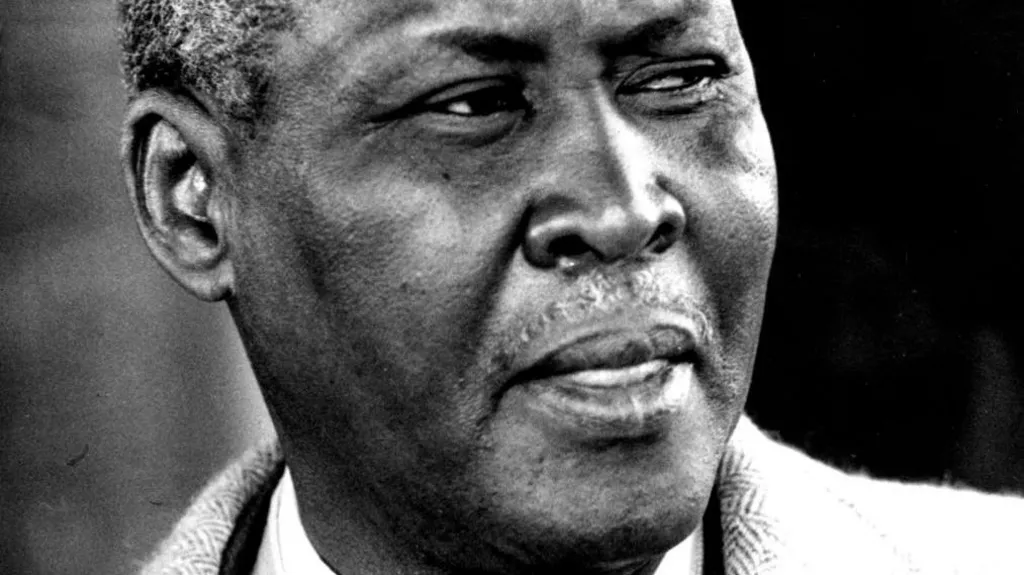
Chief Albert Luthuli death inquest is making headlines again as South Africa prepares to re-examine the controversial circumstances surrounding the passing of its first Nobel Peace Prize laureate. Nearly six decades after authorities ruled his death as accidental, a fresh court inquiry is set to challenge the official narrative.
Chief Luthuli, a revered anti-apartheid leader and then-president of the banned African National Congress (ANC), died in 1967 after reportedly being struck by a train. A state inquest at the time concluded he had been walking along railway tracks and was fatally injured—a finding that activists and his family have long questioned.
Now, South Africa’s National Prosecuting Authority (NPA) has announced plans to present new evidence that could potentially overturn the 1967 ruling. While details of the evidence remain undisclosed, the reopening signals a broader effort to address lingering injustices from the apartheid era.
Albert Mthunzi Luthuli, the late leader’s grandson, welcomed the development, expressing hope for long-delayed accountability. “We’ve always believed there was more to the story,” he told local media. “The Truth and Reconciliation Commission failed many families like ours by granting amnesty to suspected apartheid-era killers.”
At the time of his death, Chief Luthuli was confined to Groutville in KwaZulu-Natal and barred from political activity. His international recognition, including receiving the Nobel Peace Prize in 1960, did not shield him from the regime’s harsh restrictions. He remains one of South Africa’s most enduring symbols of peaceful resistance.
The reopened inquiry into Luthuli’s death coincides with another high-profile case—that of anti-apartheid lawyer Mlungisi Griffiths Mxenge. Mxenge was brutally murdered in 1981, but his killers were only identified nearly a decade later after a member of a state-sanctioned death squad confessed. While some were convicted in 1997, they were later granted amnesty by the TRC before any criminal sentences could be enforced.
Justice officials say new evidence has emerged in both cases, suggesting critical facts were concealed or overlooked during the initial investigations and TRC proceedings.
As the nation edges closer to confronting its troubled past, the re-opened Chief Albert Luthuli death inquest reflects a growing demand for historical truth and long-awaited justice. The cases stand as a reminder that for many families, the wounds of apartheid remain open—and the pursuit of closure is far from over.