Youth political engagement is transforming Uganda’s political landscape in 2025, with young people driving change as the 2026 general elections approach. For instance, over 75% of Uganda’s population is under 30, and they are mobilizing through social media and grassroots activism. Consequently, political parties are adapting to this dynamic force to secure votes. Thus, this article explores the rise of youth political engagement, its impact, challenges, and implications for Uganda’s future. Internal link: Uganda’s Political Evolution
The Rise of Youth Political Engagement
Social Media as a Political Tool
In 2025, social media platforms like X, TikTok, and WhatsApp are fueling youth political engagement. Specifically, young Ugandans use these platforms to discuss governance, corruption, and electoral reforms, with hashtags like #UgandaDecides trending, per Nile Post. Moreover, opposition leaders like Bobi Wine leverage X to rally youth, gaining 2 million followers. As a result, digital activism is amplifying young voices in politics.
Grassroots Movements and Protests
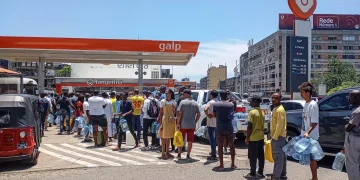
Furthermore, grassroots movements are galvanizing youth. For example, the National Unity Platform (NUP) organizes rallies in Kampala, drawing thousands of young supporters demanding democratic reforms, per Al Jazeera. Additionally, youth-led protests against rising fuel prices in 2024 saw 500 arrests, highlighting their boldness. Therefore, youth activism is challenging the status quo. Internal link: Opposition Movements in Uganda
Impact of Youth Political Engagement
Shaping Political Narratives
Youth engagement is reshaping Uganda’s political discourse. For instance, young voters prioritize unemployment, education, and corruption, forcing parties to address these issues. The Forum for Democratic Change (FDC) launched a youth employment initiative in 2025, gaining 10,000 supporters, per BBC News. Thus, youth-driven agendas are influencing party platforms.
Strengthening Opposition Parties
Moreover, youth are bolstering opposition parties. The NUP, led by Bobi Wine, claims 5 million youth supporters, outpacing the National Resistance Movement (NRM) in urban areas like Buganda, per posts on X. Furthermore, the Uganda People’s Congress (UPC) is fronting young leader Jimmy Akena to challenge President Museveni, per Daily Monitor. As a result, youth engagement is shifting power dynamics.
Challenges Facing Youth Political Engagement
Government Repression and Surveillance
However, youth engagement faces significant obstacles. For example, the government’s Intelligent Transport Monitoring System (ITMS), fully rolled out in 2025, tracks vehicles and monitors activists, per Human Rights Watch. Additionally, social media activists like Ibrahim Musana face hate speech charges, stifling free expression. Therefore, state repression threatens youth activism.
Economic and Educational Barriers
Another challenge is economic hardship. Specifically, 42% of Ugandans live below the poverty line, limiting youth access to education and political participation, per World Bank. Furthermore, only 20% of youth are digitally literate, hindering online mobilization, per Brookings. Consequently, socioeconomic barriers restrict the scope of youth engagement.
The Future of Youth Political Engagement
Electoral Reforms and Youth Voting
Looking ahead, youth engagement could drive electoral reforms. For instance, the Electoral Commission is reorganizing polling stations for 2026 to accommodate 20 million voters, many of them young, per Electoral Commission. Moreover, youth are pushing for transparent voter registration after 2021’s irregularities. Thus, youth advocacy may strengthen democracy.
Regional and Global Influence
Additionally, Uganda’s youth are inspiring regional activism. For example, their digital campaigns are studied by Kenyan and Tanzanian youth movements, per The Economist. Furthermore, international NGOs like Amnesty International support Uganda’s youth with training, amplifying their global impact. As a result, youth engagement is gaining international attention.
In summary, the youth political engagement surge in 2025 is redefining Uganda’s political landscape ahead of the 2026 elections. By leveraging social media and grassroots activism, young Ugandans are shaping narratives and strengthening opposition. However, government repression and economic barriers pose challenges. With electoral reforms and global support, youth political engagement could usher in a more democratic Uganda. Internal link: The Future of Ugandan Democracy