The Touadera third term has officially begun, marking a new phase for the Central African Republic as President Faustin-Archange Touadera vows to strengthen peace and national stability. His inauguration signals both continuity and renewed expectations in a country still recovering from years of conflict.
President Touadera, who has been in power since 2016, secured a strong electoral victory in December with nearly 78 percent of the vote. However, the election sparked controversy after opposition leaders raised concerns about alleged irregularities.
Touadera third term begins with unity message
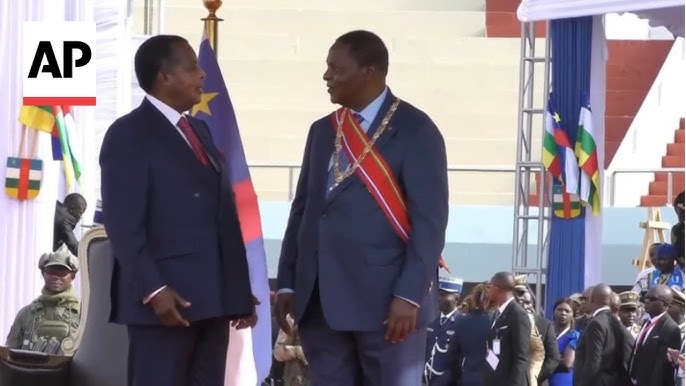
Speaking during his inauguration ceremony in Bangui, Touadera emphasized his commitment to unity, reconciliation, and long-term stability. The event drew tens of thousands of attendees and several African leaders, highlighting the regional importance of the moment.
He outlined a clear vision focused on strengthening national cohesion while continuing efforts to restore peace across the country. According to the president, dialogue with armed groups remains central to achieving lasting stability.
Touadera third term faces ongoing security challenges
Despite progress in recent years, the security situation in the Central African Republic remains delicate. Although government forces now control a significant portion of the territory, analysts warn that stability is still fragile.
Experts note that the success of the Touadera third term will depend on maintaining strong internal security structures. In addition, partnerships with international allies are expected to play a crucial role in supporting the government’s efforts.
Touadera has already signaled his intention to continue engaging with armed factions through dialogue. This approach, he believes, has contributed to reducing violence and restoring some level of calm in previously unstable regions.
Touadera third term relies on strategic alliances
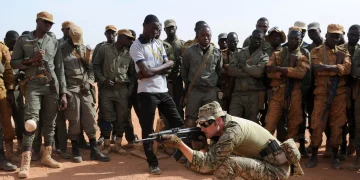
International partnerships remain a key pillar of the administration’s strategy. Observers point to cooperation with countries such as Rwanda, the United Arab Emirates, and Russia as critical in stabilizing the political environment.
These alliances have helped strengthen security capacity and extend government control across more areas of the country. Compared to previous years, the state now exercises authority over a larger share of national territory.
However, analysts caution that long-term success will depend on how effectively these partnerships are managed and whether they translate into sustainable peace on the ground.
Touadera third term and the road ahead
Looking forward, the Touadera third term presents both opportunities and challenges. While there are signs of improvement in security and governance, the country still faces deep-rooted economic and political issues.
The president’s commitment to dialogue and reconciliation offers hope for continued progress. At the same time, maintaining trust among citizens and addressing opposition concerns will be essential for lasting stability.
Ultimately, the direction of the Touadera third term will shape the future of the Central African Republic. If peace efforts succeed, the country could move closer to stability after years of turmoil.