Former Chad PM Succès Masra Arrested Over Links to Deadly Clashes
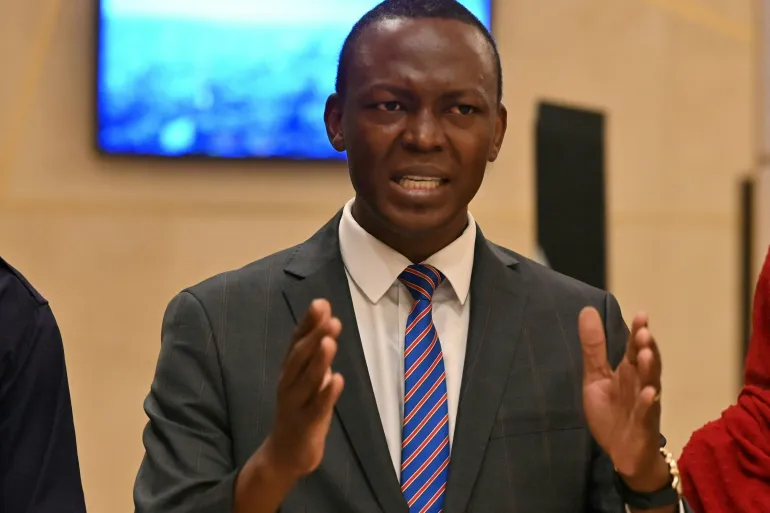
Chad’s former Prime Minister and opposition leader Succès Masra has been arrested in connection with a violent clash that left at least 42 people dead in the country’s southwest, according to the public prosecutor.
Oumar Mahamat Kedelaye, Chad’s prosecutor, said Masra is accused of spreading inflammatory messages on social media that allegedly incited the violence. The unrest occurred in Mandakao, a village near the Cameroonian border in Logone Occidental province.
Masra’s political party, The Transformers, condemned the arrest, calling it an abduction by military forces and claiming it was carried out without any formal judicial process. The party emphasized that the former prime minister was taken from his home in the early hours.
Masra, a vocal critic of President Mahamat Déby, had contested the results of the 2024 presidential elections. He claimed that the vote was rigged and that his victory was stolen, although official tallies awarded Déby 61% of the vote.
Authorities say that during the recent unrest, messages circulated on social media urged communities to arm themselves against one another. Though the exact cause of the violence remains unclear, it is believed to stem from a land dispute between Ngambaye farmers and Fulani herders — a recurring source of tension in the region.
Over 80 individuals have also been detained in relation to the violence.
Masra briefly served as interim Prime Minister in the transitional government from January to May 2024, a position that came amidst efforts to stabilize the nation. However, his party boycotted the legislative elections held in December, citing concerns over the lack of electoral transparency.
The Déby family has ruled Chad for over 30 years. Mahamat Déby took power in 2021 after the death of his father, long-time ruler Idriss Déby Itno, who was killed in a rebel clash. Since then, the country has seen growing tensions between government forces and opposition voices.
Masra’s arrest has further ignited political tensions, with rights advocates warning of a shrinking space for dissent in the country’s fragile democracy.