Some hotels rise beyond their role as places to sleep. Instead, they become architectural statements, cultural expressions and immersive design experiences. Around the world, several properties stand out for pushing creative boundaries while redefining the relationship between space, landscape and hospitality. These hotels combine engineering skill, artistic identity and deep respect for their surroundings. They also show how modern design can transform travel into something far more meaningful.
Atlantis The Royal, Dubai
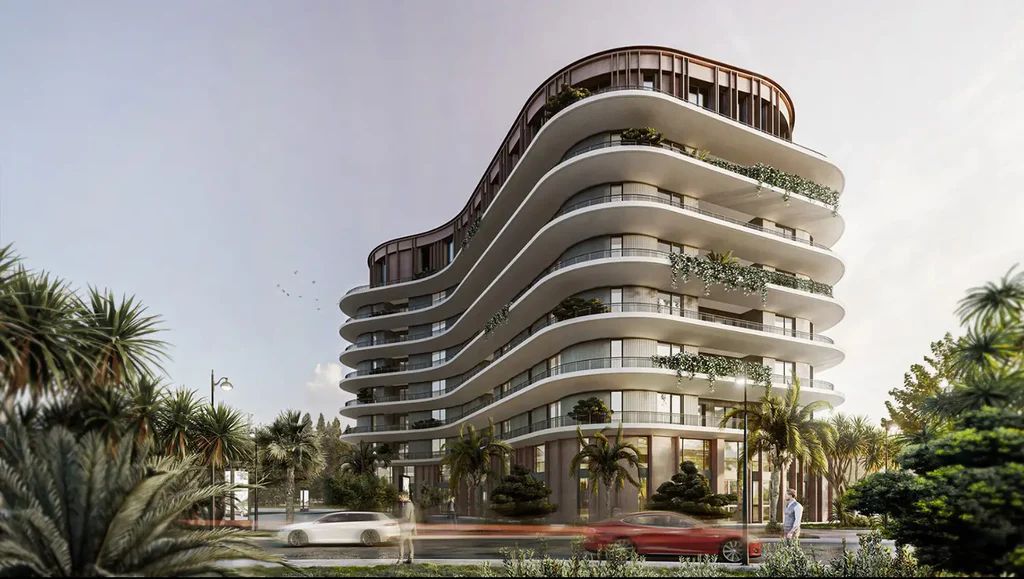
Atlantis The Royal in Dubai presents one of the most dramatic silhouettes in global architecture. The structure consists of stacked volumes, sky bridges and sculpted terraces. Its design encourages openness by allowing wind, light and shadow to shape each level. Each block forms its own visual rhythm, giving the building a dynamic style that changes throughout the day. The sky-level pools and elevated gardens reflect Dubai’s pursuit of futuristic engineering combined with luxury hospitality.
Inside, the design uses reflective surfaces, cascading water motifs and framed views of the Gulf. Lighting, textures and circulation routes were planned to blend interior comfort with exterior spectacle. Instead of isolating spaces, the building connects lounges, restaurants and outdoor decks through layered pathways that encourage movement and discovery.
Villa Nai 3.3, Croatia
Villa Nai 3.3 on Croatia’s island of Dugi Otok represents a completely different architectural philosophy. The structure follows the contours of ancient olive groves, merging modern craftsmanship with traditional stone-building techniques. The curved forms blend so closely with the hillside that the hotel appears to grow from the land itself.
Because the design prioritizes environmental harmony, it relies on local stone, restrained geometry and deeply carved openings. Interiors remain minimal yet elegant, allowing the surrounding landscape to dominate the experience. The result is a hotel that feels both hidden and monumental. Guests move through intimate courtyards and terraces that echo the rhythm of Croatian rural architecture while offering uninterrupted views of the Adriatic.
Shebara Resort, Saudi Arabia
Located on an island in the Red Sea, Shebara Resort reflects a vision shaped by water, sky and natural light. The design features overwater villas arranged to protect marine ecosystems while offering unobstructed horizons. Each structure balances luxury with ecological sensitivity. Elevated walkways limit ground disruption, and the architecture uses materials that withstand coastal conditions without overwhelming the environment.
Inside the villas, soft curves, wide openings and warm lighting create a sense of calm. The architecture encourages a close relationship with the surrounding sea through terraces, decks and open views. Because the resort emphasizes sustainability, every part of the layout supports airflow, natural cooling and minimal visual impact.
Rosewood São Paulo, Brazil
Rosewood São Paulo stands as a landmark of adaptive reuse. The hotel integrates historic buildings with a modern vertical-garden tower, creating a dynamic conversation between past and present. Its restoration work preserves original masonry and iconic details while adding new structures filled with greenery.
The design celebrates São Paulo’s cultural heritage by incorporating art, craft and Brazilian materials throughout the interior spaces. Courtyards, arcades and atriums allow natural light to travel deep into the complex. At the same time, the vertical garden tower introduces a biophilic layer that softens the urban environment. This blend of tradition and innovation defines the hotel’s architectural identity.
Benesse House, Japan
Benesse House in Naoshima, Japan, combines museum and hotel into a single architectural experience. The design uses concrete, geometry and light to express the minimalist philosophy of Japanese modernism. Galleries open directly to the surrounding landscape, creating a strong dialogue between art and nature.
The complex includes multiple buildings positioned along slopes facing the Seto Inland Sea. Each structure offers calm, meditative transitions through corridors, terraces and courtyards. Guests experience the architecture at different moments of the day, making every visit unique. This combination of artistic integration and natural beauty gives Benesse House a timeless serenity found in few other hotels worldwide.
These five hotels offer more than luxury. They represent distinct architectural visions that celebrate their environment, culture and design philosophy. Their structural innovation, material choices and spatial creativity demonstrate how architecture can elevate travel into an unforgettable encounter with form, space and place.