The Burkina Faso Traoré energy reforms are trending as Captain Ibrahim Traoré, Burkina Faso’s 37-year-old leader, launches a $500 million renewable energy plan to achieve energy independence and promote pan-African cooperation. For instance, announced on May 8, 2025, this initiative, praised on X for its anti-imperialist stance, includes solar farms and regional power grids. Consequently, Burkina Faso is redefining African sovereignty. Thus, this article examines the Burkina Faso Traoré energy reforms, their strategy, impacts, and why they’re grabbing clicks. Internal link: African Energy Trends
The Energy Strategy
Renewable Energy Push
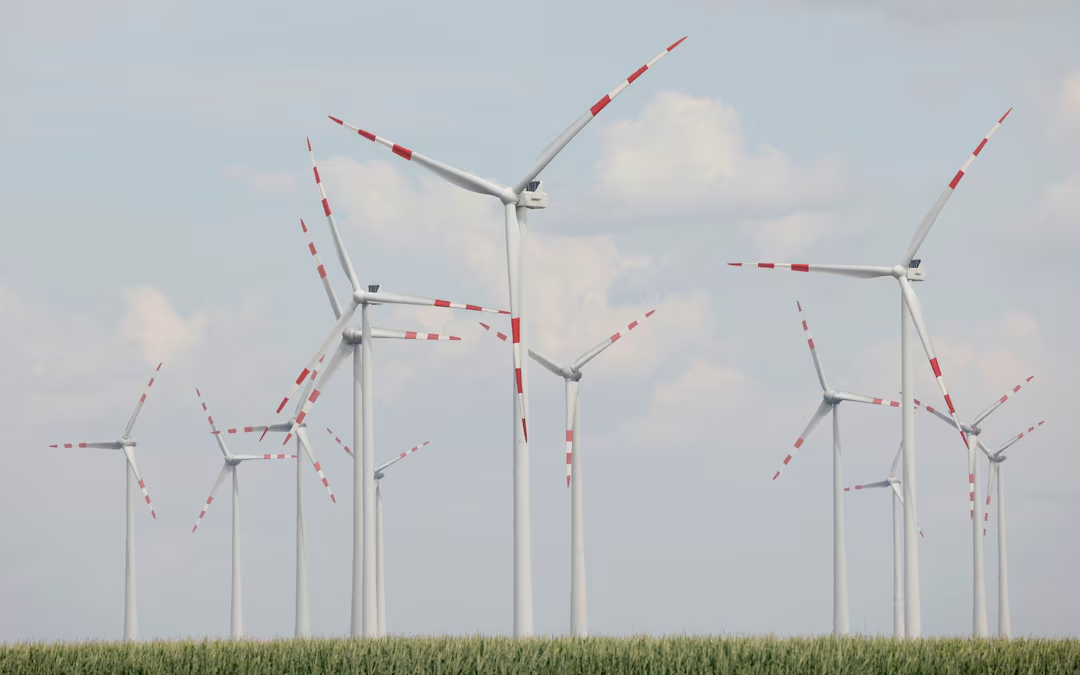
The Burkina Faso Traoré energy reforms prioritize solar power. Specifically, the plan funds 10 solar farms to generate 200 MW, per BBC. Moreover, X posts highlight Traoré’s Russia-Africa summit speech, per @AfricaViewFacts. As a result, energy access is expanding.
Pan-African Collaboration
Furthermore, regional grids are key. For example, Burkina Faso partners with Mali and Niger for a Sahel power network, per Al Jazeera. Additionally, Morocco’s port access aids equipment imports, per X posts. Therefore, continental unity is strengthened.
Impacts on Burkina Faso and Africa
Economic Empowerment
The Burkina Faso Traoré energy reforms boost local economies. For instance, 50,000 jobs could emerge from solar projects, per Reuters. Moreover, X posts note reduced reliance on French energy firms, per @UCLGAfrica. Thus, self-reliance grows.
Pan-African Influence
Moreover, Traoré inspires African leadership. Specifically, his reforms echo Nigeria’s film fund for cultural sovereignty, per X posts. Additionally, Mali’s protests against reforms align with his vision, per X posts. As a result, regional momentum builds.
Challenges Facing the Reforms
Security Threats
However, Burkina Faso Traoré energy reforms face instability. For example, jihadist attacks disrupt 20% of rural power projects, per BBC. Moreover, X posts cite Mali’s military tensions, per @DASonline. Therefore, security is a hurdle.
Funding Gaps
Another challenge is financial constraints. Specifically, the plan needs $200 million more, per The Africa Report. Furthermore, Zambia’s aid cuts highlight donor fatigue, per X posts. Consequently, sustainability is at risk.
The Future of African Energy
Energy Independence
Looking ahead, energy reforms will scale. For instance, Burkina Faso aims for 50% renewable energy by 2030, per X posts. Additionally, Nigeria’s electricity goals align with this vision, per X posts. Thus, continental progress is expected.
Global Influence
Furthermore, Traoré will shape African policy. For example, his reforms inspire Ivory Coast’s democratic debates, per BBC. Moreover, the African Union’s U.S. talks may secure funding, per X posts. As a result, global clout will rise.
Conclusion
In summary, energy reforms, led by Capt. Traoré, advance renewable energy and pan-Africanism, captivating audiences with their sovereignty stakes. Despite security and funding challenges, their vision promises transformation. As a trending story, energy reforms fuel clicks with their bold impact.
Other News: